




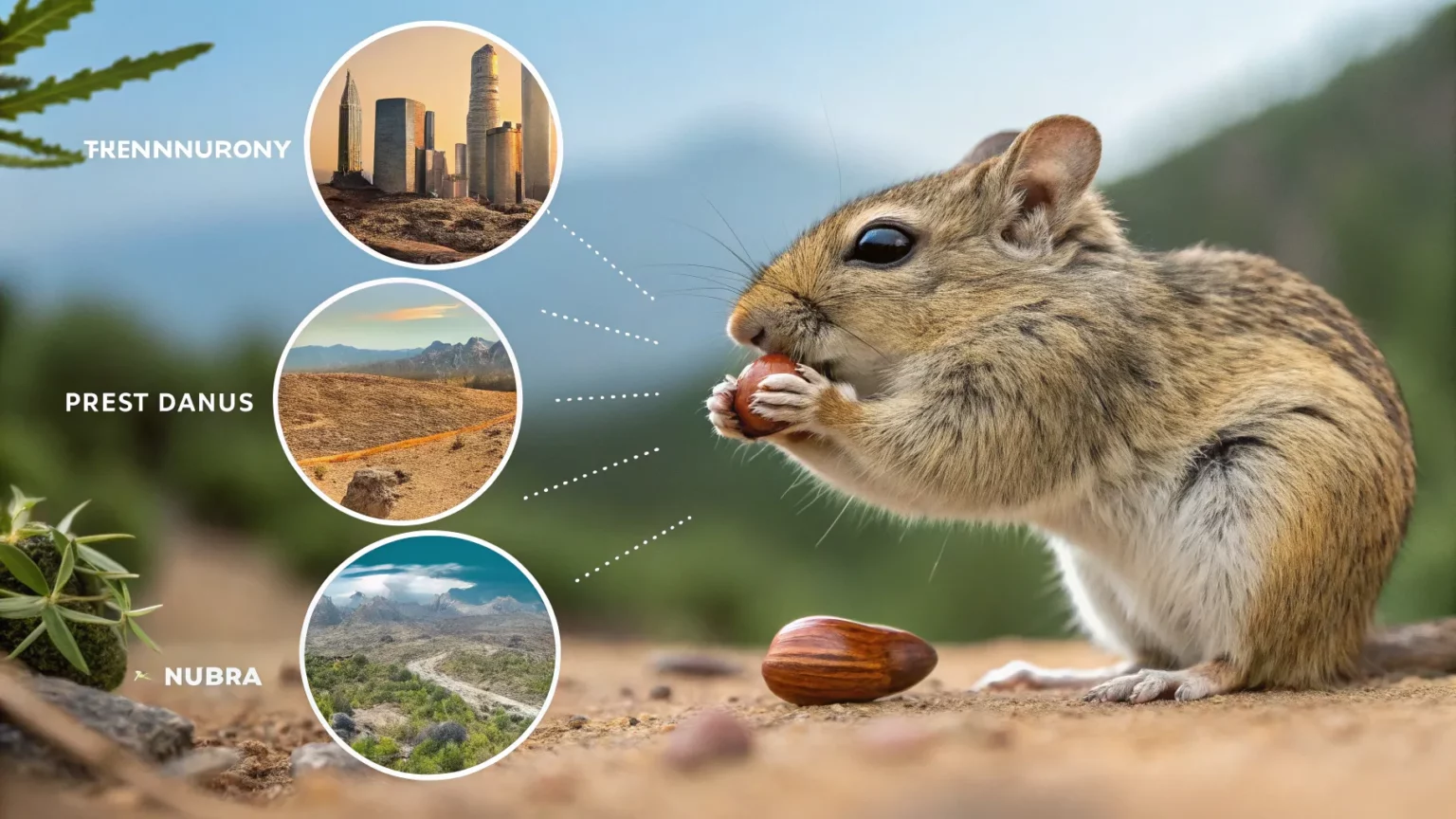
A small feature on rodent paws may have had an outsized effect on their rise across the planet. New findings suggest that tiny thumbnails helped rodents handle food more efficiently, giving them an edge in new habitats. The idea links anatomy to survival and could reshape how scientists understand the spread of rats, mice, and their relatives.
The research points to a simple advantage with big consequences. Better grip and faster food processing may have let rodents thrive near people, on farms, and in cities. That shift would help explain why rodents now occupy nearly every region and diet on Earth.
How a Small Nail Could Change a Meal
Rodents are known for sharp incisors. Less discussed are the small nails and pads that help them hold and prepare food. A thumbnail, even if reduced, can steady seeds, nuts, and scraps. That improves peeling, nibbling, and sorting. In a competitive setting, those seconds matter.
“Thumbnails might have boosted rodents’ food-handling skills, helping them thrive worldwide.”
That link between paw anatomy and daily meals is straightforward. Better control reduces waste. It allows animals to eat more types of food and to do so in cramped spaces. For rodents living near people, that can mean success in kitchens, storerooms, and fields.
Rodents’ Global Reach and Why It Matters
Rodents make up the largest share of mammal species. House mice and rats have traveled with humans by land and sea. They now live on most islands and in most climate zones. Their ability to use many food sources is a key reason for that success.
Thumb-like features add to that flexibility. They help with:
- Peeling grains and seeds quickly.
- Holding irregular scraps, like fruit peels or fish bones.
- Feeding in tight or hidden areas to avoid predators.
Even minor improvements in handling can support higher survival and faster breeding. Over time, those gains add up. Populations take root and spread.
Comparisons With Other Mammals
Primates rely on opposable thumbs for fine control. Rodents do not have full thumbs, but small nails and pads can play a similar role on a smaller scale. In other animals, simple hand or paw changes also affect diet. Pandas use a “false thumb” to grip bamboo. Moles have extra bones to move soil. Form links to function.

For rodents, the fine print is in speed and precision. A tiny nail can anchor a seed while incisors slice. It can shift a crumb into a better position. In the wild, that can mean finishing a meal before a hawk spots them. In a city, it can mean grabbing food in seconds and darting back to cover.
Implications for Agriculture and Cities
If thumbnails support faster feeding, they may also affect how rodents raid crops and stores. Seed-heavy diets are common on farms. A grip advantage could translate into more loss at harvest and storage. In cities, it could mean better use of human food waste, which supports larger rodent numbers.
Urban planners and pest managers might use this insight to adjust strategies. Reducing access to small, handleable food items could blunt that advantage. Fewer loose grains and fewer easy crumbs mean fewer quick meals.
What Scientists Are Watching Next
Future work could test how different paw shapes affect feeding speed and diet choice. High-speed video, motion tracking, and controlled feeding trials could measure the advantage of thumbnails more precisely. Studies could also check whether species with more pronounced thumbnails spread faster in new areas.
Researchers may compare wild populations in regions with different food types. Grain-rich areas might favor rodents with stronger handling features. Mixed diets in cities might reward flexibility.
A Small Trait With Wide Reach
The link between thumbnails and handling offers a clear story. Small tools on the paw can shape big outcomes in survival, diets, and spread. It helps explain why rodents adapt so quickly to new places and human-made environments.
As cities grow and food systems expand, this trait could matter even more. Understanding it may guide better pest control and reduce waste. The next steps will test how far this small advantage goes, and how it shapes the animals that live beside people.