




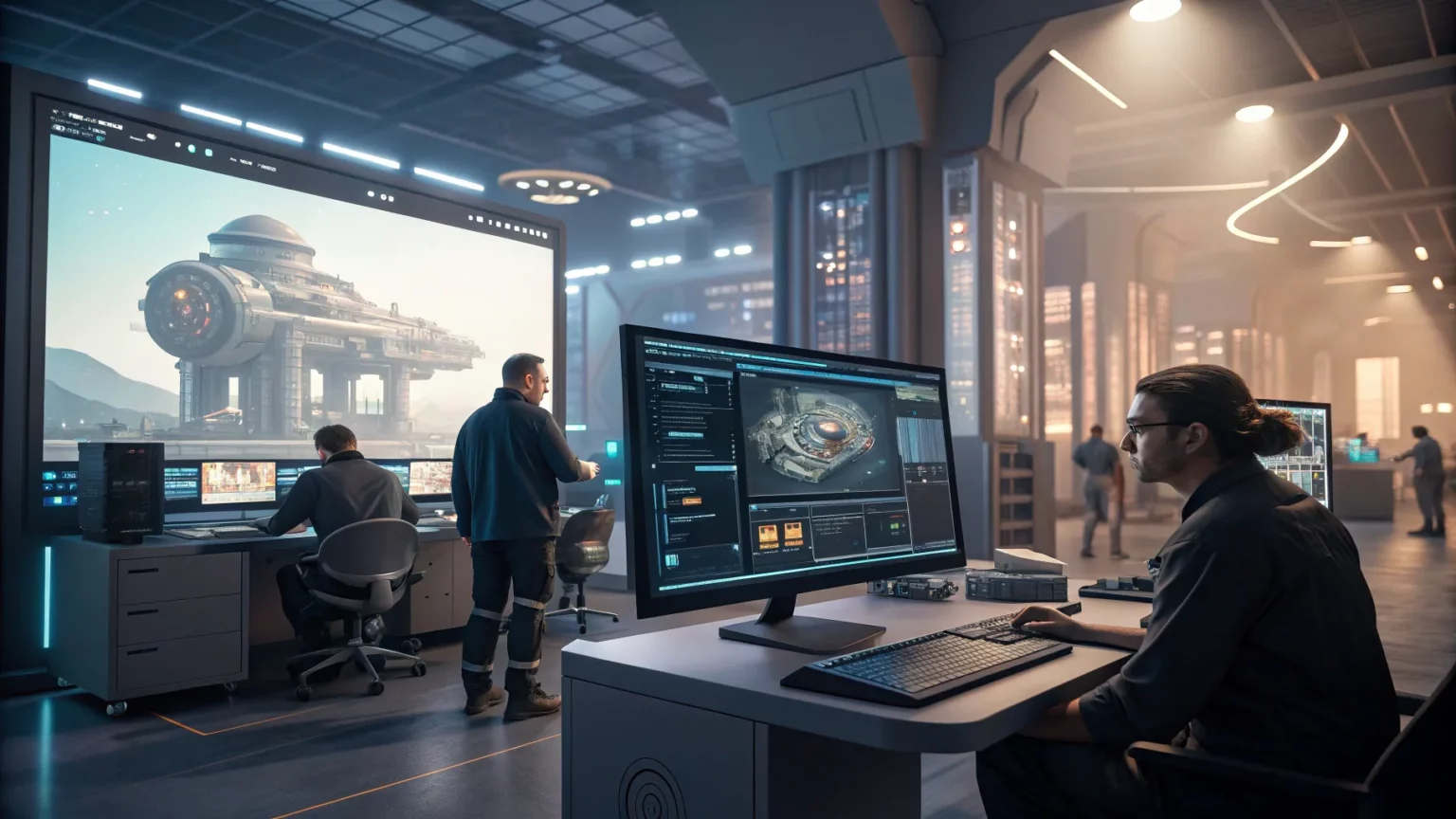
Tencent is investing heavily in 3D artificial intelligence, aiming to turn game-making tools into engines for wider use. The company, one of the world’s largest game publishers, is building models that create objects, scenes, and animations in three dimensions. If successful, the effort could reshape work in film, retail, design, and even robotics.
The push comes as major tech firms race to automate content creation and simulation. Tencent’s gaming units, including TiMi Studios and Lightspeed, have long relied on large teams of artists and engineers. Fast and accurate 3D generation could shorten production cycles and lower costs. It could also supply new services through Tencent Cloud for companies that need digital assets and virtual environments.
From Game Assets to General Use
3D generative models build objects from text prompts, images, or video, then render them as meshes or point clouds that can be used in engines like Unreal or Unity. For game studios, this means faster prototyping and more variation with fewer manual steps. For industries outside entertainment, the same tools can power virtual showrooms, training simulators, and product design.
“The Chinese video game giant Tencent is now building some of the world’s best 3D AI models. This could have implications far outside gaming.”
Industry watchers say the near-term gains will likely center on asset creation and environment styling. Longer term, the models could help with physics-aware simulations, avatar animation, and real-time scene editing for live events or e-commerce.
Why 3D AI Matters Now
Two trends make this moment different. First, diffusion and transformer-based systems have improved at producing consistent shapes and textures. Second, the demand for 3D content is rising, pushed by mobile games, films, and augmented reality. Companies want cheaper ways to fill vast virtual worlds without sacrificing quality.
China-based firms also see a chance to export tools through cloud platforms. Tencent already runs a large cloud business. If it packages 3D models as APIs and managed services, it could sell to developers who lack their own training infrastructure.
Opportunities and Risks
Analysts point to several practical wins if 3D AI scales:
- Faster iteration for level design and props.
- Automated variations for marketing photos and videos.
- Digital twins for factories, retail layouts, and logistics.
- Training data for robots through simulated environments.
But there are hurdles. Training 3D models demands large datasets and strong compute. Export limits on advanced chips have forced Chinese firms to optimize software and hardware usage. There is also the question of intellectual property. If models learn from unlicensed 3D assets, studios and brands could challenge the results. Watermarking, dataset governance, and clear licensing will be central issues.



Voices From The Field
Developers welcome speed but caution against overpromising. Artists say generated objects often need retopology, material fixes, and rigging before they work in production. Engineers note that scene-level coherence—keeping lighting, scale, and physics consistent—remains a sticking point. “Great demos are not the same as shippable content,” one senior designer said.
On the business side, procurement teams want predictable costs. Subscription pricing for asset generation could help, but usage spikes during production sprints may strain budgets. Cloud offerings that bundle storage, version control, and rendering might prove attractive if they integrate with popular pipelines.
How It Could Change Industries
Retailers could use 3D AI to stage catalogs and virtual try-ons without full photo shoots. Film studios might previsualize complex scenes and crowd shots. Architects and carmakers could test designs in virtual spaces that update from text notes. In education, teachers could build interactive models for science and history lessons in minutes.
For robotics and autonomous systems, synthetic 3D data can help fill gaps where real-world collection is costly or unsafe. Better 3D generation means more varied environments to stress-test navigation and manipulation tasks before field trials.
What To Watch Next
Key signals will include whether Tencent opens its 3D models through public APIs, signs partnerships with global engines, or showcases full game levels built with AI-first pipelines. Another marker is policy. Chinese regulators have set rules on AI content, including provenance tags. Compliance features, such as watermarking and audit logs, could become selling points for enterprise buyers.
Competitors across the United States, Europe, and Asia are also racing ahead. Any edge may be short-lived without constant upgrades and a steady supply of training data. The firms that integrate 3D AI directly into creative tools—and win trust from artists and producers—will likely lead.
Tencent’s bet ties its gaming strength to a broader push in digital production. The next phase will show if 3D AI can move from flashy demos to reliable pipelines. If it does, the impact will spread far past games, touching how products are designed, sold, and experienced in virtual spaces.