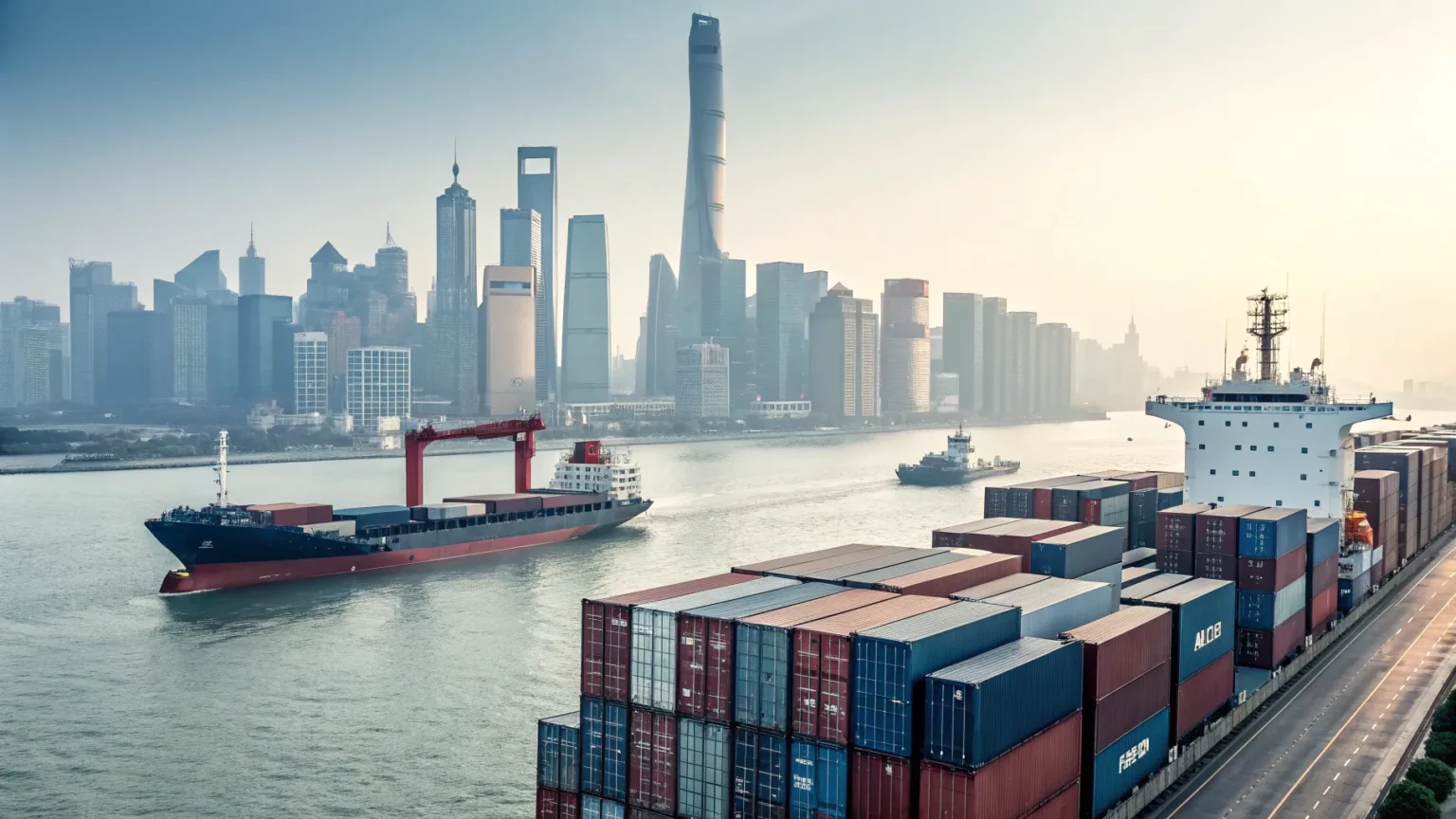
Trade with China and within the USMCA bloc is being shaped by security and policy choices, not only by prices or market access. That shift is changing how companies plan supply chains and how governments set economic goals. It is also setting a tougher test for industries that rely on cross-border inputs and stable rules.
Officials and executives describe a new order where strategic aims weigh as much as cost. The tension plays out in export controls on high-tech inputs, tariff actions, and rules of origin that guide production in North America. The result is a trade map that now reflects risk and resilience as much as efficiency.
“China and USMCA trade stand apart as special cases tied to security and policy.”
Background: From Market Access To Strategic Screening
For decades, global trade policy focused on lowering barriers and expanding access. Recent years brought a clear turn. Governments now screen investments, restrict sensitive exports, and use trade rules to promote domestic production of key goods. Companies must weigh regulatory risk alongside cost and speed.
China sits at the center of this shift. Measures targeting advanced chips, telecom gear, and critical minerals reflect national security priorities. In North America, the United States-Mexico-Canada Agreement (USMCA) sets detailed rules for where and how goods are made, aiming to lock in regional production.
China Trade Through A Security Lens
Trade with China is no longer judged only on price advantage. The focus includes supply chain exposure, data protection, and control of strategic technologies. That is pushing firms to diversify suppliers and adjust inventory plans.
Industries most affected include semiconductors, telecommunications, medical devices, and batteries. Policies can change quickly, which raises planning costs. Many companies keep dual-source strategies to avoid sudden disruptions.
Executives also track compliance risk. Export licenses, entity lists, and sector-specific limits can ripple through entire product lines. Some firms now design products to use components that face fewer controls.
USMCA As A Policy Tool For Regional Supply Chains
USMCA trade is guided by rules designed to keep more production in North America. Requirements for local content and wage thresholds encourage assembly and parts sourcing across the three members. Policymakers see the pact as a way to shield key inputs from global shocks.



In practice, the agreement shapes investment choices. Auto, electronics, and agriculture producers assess where to place plants to meet content rules and keep market access. The policy aim is resilience, even if it raises some production costs.
Enforcement is another factor. Dispute panels and labor provisions influence how firms operate. The message to industry is that compliance is part of market access, not an afterthought.
Implications For Industry And Consumers
Businesses face a trade-off. Security-driven rules can reduce risk exposure but may increase costs. Passing those costs to consumers depends on competition and product type. In some sectors, firms absorb costs to protect market share. In others, prices rise.
Investment is also shifting. Projects that bring suppliers closer to final assembly gain favor. Businesses weigh tax incentives and workforce needs against the benefit of tighter control over inputs.
- Supply chains are diversifying to manage policy risk.
- Compliance and monitoring add fixed costs to operations.
- Regional production can shorten delivery times but may limit sourcing options.
What To Watch Next
Policy reviews are likely to continue. That includes updates to export controls, screening of foreign investments, and enforcement actions under USMCA provisions. Each change can alter cost curves and sourcing choices.
Technology will stay in focus. Chips, AI hardware, and critical minerals will draw attention from regulators and investors. Firms that depend on these inputs will need clear compliance plans and backup suppliers.
Regional cooperation also matters. Coordination among the United States, Mexico, and Canada on customs, labor, and energy can ease frictions. Without it, uncertainty could slow new projects and complicate cross-border flows.
The core trend is set: security and policy shape how and where trade happens with China and under USMCA. Companies that plan for shifting rules, invest in compliance, and build flexible supplier networks will be better placed. Consumers may see mixed effects on price and choice. The next phase will test whether strategic goals can align with stable growth and predictable trade flows.