




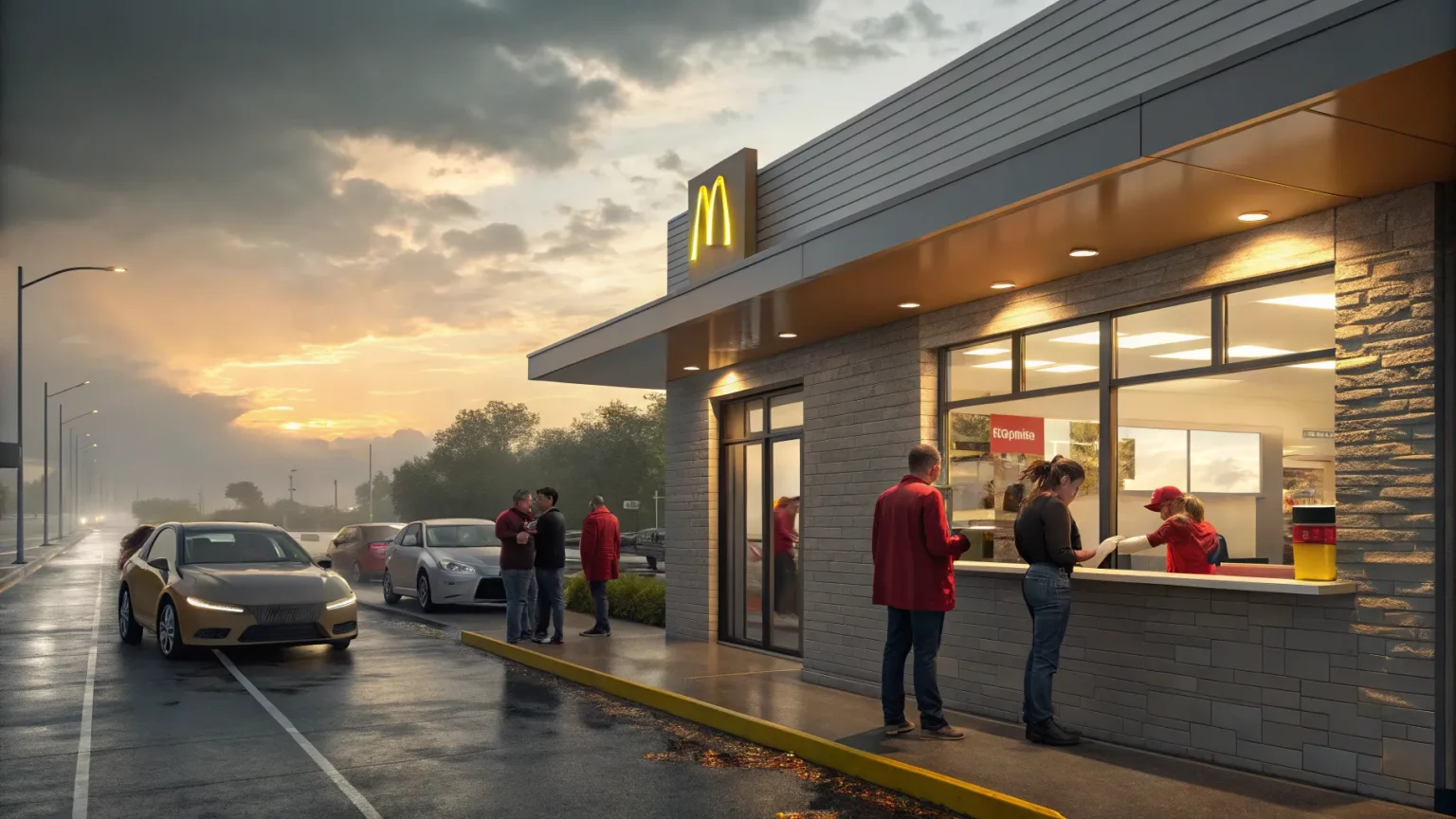
McDonald’s is rethinking how it uses artificial intelligence across its restaurants after ending a high-profile voice ordering test in the United States. The company framed the move as a learning step as it weighs where AI can improve service without hurting accuracy or slowing lanes. The shift matters for the fast-food chain’s operations and for an industry searching for reliable ways to handle rising demand and labor pressure.
Why McDonald’s Is Pausing AI
The company spent years testing automated order taking at drive-thrus. The goal was simple: shorter lines, lower costs, and fewer errors. In 2024, McDonald’s concluded a widely watched pilot run with IBM, which had evolved from McDonald’s 2019 purchase of the AI startup Apprente and a later transfer of that unit to IBM in 2021.
McDonald’s said the trial produced lessons it will carry into future projects. In a statement, the company called the experience a step forward, even as it pulls back to reassess where AI fits.
“An important learning” as it explores “the effective use of AI.”
The pause does not mean AI is off the menu. The chain continues broader work with cloud providers and store technology that could support AI features, from menu recommendations to kitchen routing.
What Went Right And Wrong
Early results showed that automated voice systems could handle many standard orders during calmer periods. They worked best when customers spoke clearly and ordered menu items the system had seen before. Restaurants reported faster order intake when the system recognized items on the first try.
But the technology struggled with background noise, heavy accents, and custom requests. Viral clips showed odd substitutions and double charges, feeding public doubts. Staff often had to step in, which cut into the time savings. When accuracy lagged, managers reverted to human order takers to keep lines moving.
- Strength: Speed on routine orders in quiet lanes.
- Weakness: Errors with complex or customized orders.
- Operational risk: Staff interventions erased time gains.
The lesson for McDonald’s is practical: any AI tool must match drive-thru pace and accuracy under real-world conditions, not just in lab tests.
How The Industry Is Responding
Rivals are pressing ahead with their own AI pilots. Wendy’s has worked with Google on drive-thru systems. White Castle and other chains have tested similar tools. Vendors argue models are improving and can be trained on local accents and menu changes faster than before.


Operators, however, are focused on error rates. A few percentage points can mean thousands of fixes each week. The priority is a system that works during lunch and dinner rushes, across weather and noise, and with new promotions. Many franchisees now ask for side-by-side comparisons against trained staff before committing.
McDonald’s broad scale gives it leverage to test at volume and negotiate with suppliers. That reach also raises the stakes. Rolling out a flawed system across thousands of stores would carry high costs and brand risks.
Impact On Workers And Customers
For workers, AI can shift tasks rather than remove them. Crews may spend less time on the headset and more time on payment or order assembly. But if accuracy fails, stress rises as staff correct mistakes and calm frustrated drivers.
Customers want short waits and correct orders. If AI speeds routine orders and flags tricky ones for a human, satisfaction could rise. If it mishears items or delays the lane, loyalty can suffer. The company’s decision to regroup signals that customer experience remains the top measure.
What To Watch Next
Expect tighter pilots with clearer success metrics. Those likely include accuracy at peak times, average seconds saved per car, and the rate of human handoffs. McDonald’s may also expand AI in less risky areas first, such as kitchen prep sequencing, inventory forecasting, and drive-thru menu personalization based on time of day and local patterns.
Regulatory attention around data privacy and recorded speech could shape future rollouts. Any system that stores voice data will face stricter safeguards, especially in states with biometric or audio consent laws.
McDonald’s pullback marks a reset, not a retreat. The company says it learned where AI helps and where it falls short. The next phase will test smaller, smarter steps aimed at clear gains customers can feel and crews can manage.