




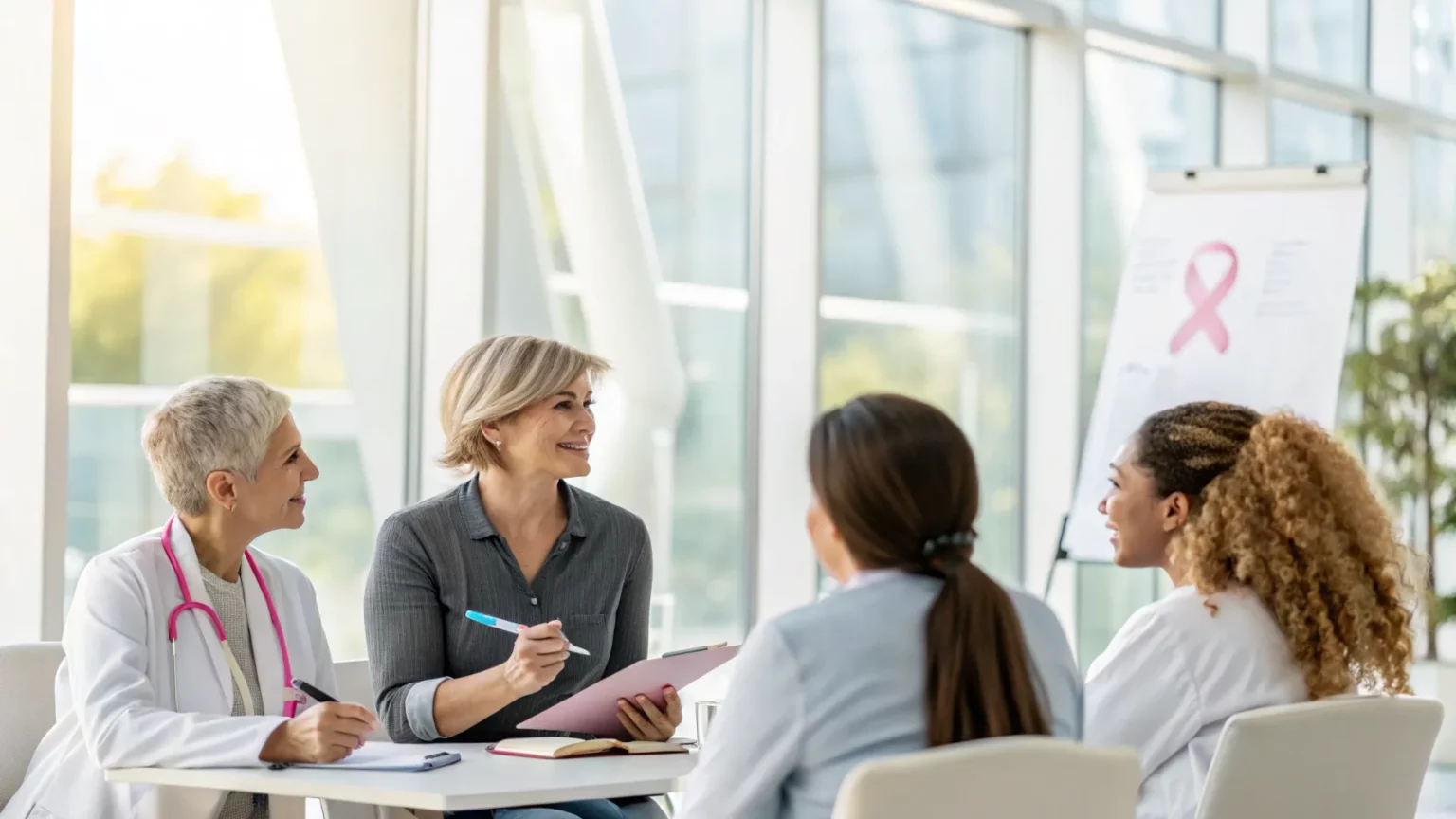
As breast cancer rates climb, a new discussion seeks to cut through confusion and fear. PEOPLE’s editor-in-chief Charlotte Triggs and Verywell Health’s chief medical officer Dr. Sohaib Imtiaz are examining what is driving the trend, how it affects families, and what steps can help now.
The conversation, part of the series People Like Us: Breast Cancer, focuses on causes, effects, and practical guidance. It aims to answer the hard questions that many patients and caregivers face today.
“With breast cancer rates on the rise, there’s concern about the causes — and the effects,” said Triggs, introducing the latest installment with Dr. Imtiaz.
Why Rates Are Rising
Experts point to a mix of factors. Aging populations increase the number of cases. Broader screening catches more tumors earlier. Lifestyle changes, including diet, alcohol, and exercise patterns, also play a role. Genetics still matters, but most cases are not tied to inherited mutations.
Environmental exposures remain a concern, though links are complex and still under study. Dr. Imtiaz emphasizes caution: patterns can vary by region, age, and access to care. The message is clear. No single cause explains the rise.
The Human Impact
The effects reach far past the exam room. Patients face surgery, treatment decisions, and financial strain. Families juggle work, caregiving, and uncertainty. Mental health needs often surge after diagnosis and even after treatment ends.
Triggs highlights stories of resilience and fatigue in equal measure. The series aims to make space for both. Viewers hear about recovery timelines, body image changes, fertility questions, and the ongoing worry about recurrence.
Screening, Risk, and Early Action
Early detection still offers the best chance at successful treatment. While screening guidelines can differ by age and risk level, many clinicians support regular mammograms and individualized plans. Doctors encourage patients to know their personal risk and to talk with a trusted provider about timing and frequency.
- Learn your family history, including breast and ovarian cancers.
- Discuss screening options and timing with your clinician.
- Ask about breast density and what it means for imaging.
- Report new changes, such as lumps, skin changes, or pain.
Lifestyle shifts may help lower risk. These include maintaining a healthy weight, regular physical activity, limiting alcohol, and following treatment plans for other conditions. None of these steps replace screening. But they can support overall health during and after care.



Equity and Access
Not everyone benefits equally from progress. Access to screening and timely treatment still varies by income, geography, and race. Triggs and Dr. Imtiaz acknowledge the gap. They note that delays in diagnosis and treatment can worsen outcomes, especially in under-resourced communities.
Community programs, patient navigation, and workplace flexibility can help. So can insurance literacy and clear communication from care teams. The series highlights practical tips that patients can use right away.
What Viewers Want to Know
Questions often cluster around three areas: Am I at risk? What screening should I get, and when? What are the real side effects of treatment? Dr. Imtiaz encourages people to bring a list of questions to appointments and to seek second opinions when needed. Triggs presses for plain-language answers on-air, modeling the kinds of conversations patients deserve.
The discussion also touches on survivorship. Many patients need ongoing support with fatigue, pain, and anxiety after treatment. Care plans should include mental health resources, physical therapy when appropriate, and follow-up schedules that feel clear and manageable.
The Road Ahead
Research is moving fast, from targeted therapies to better imaging. Yet the basics remain powerful: know your risk, get screened, and act on changes early. Triggs and Dr. Imtiaz keep the focus on what people can do now, while acknowledging the uncertainty that many live with.
Their advice lands with simple clarity. Ask questions. Seek support. Share information with loved ones. Small steps can make a big difference when decisions feel overwhelming.
The latest installment of People Like Us: Breast Cancer closes on a practical note. Rates are rising, but information and support can guide better choices. Viewers can expect future episodes to track new findings, highlight patient voices, and keep pressure on access and equity. For now, the takeaway is straightforward. Stay informed, stay connected, and do not wait to speak up about your health.