




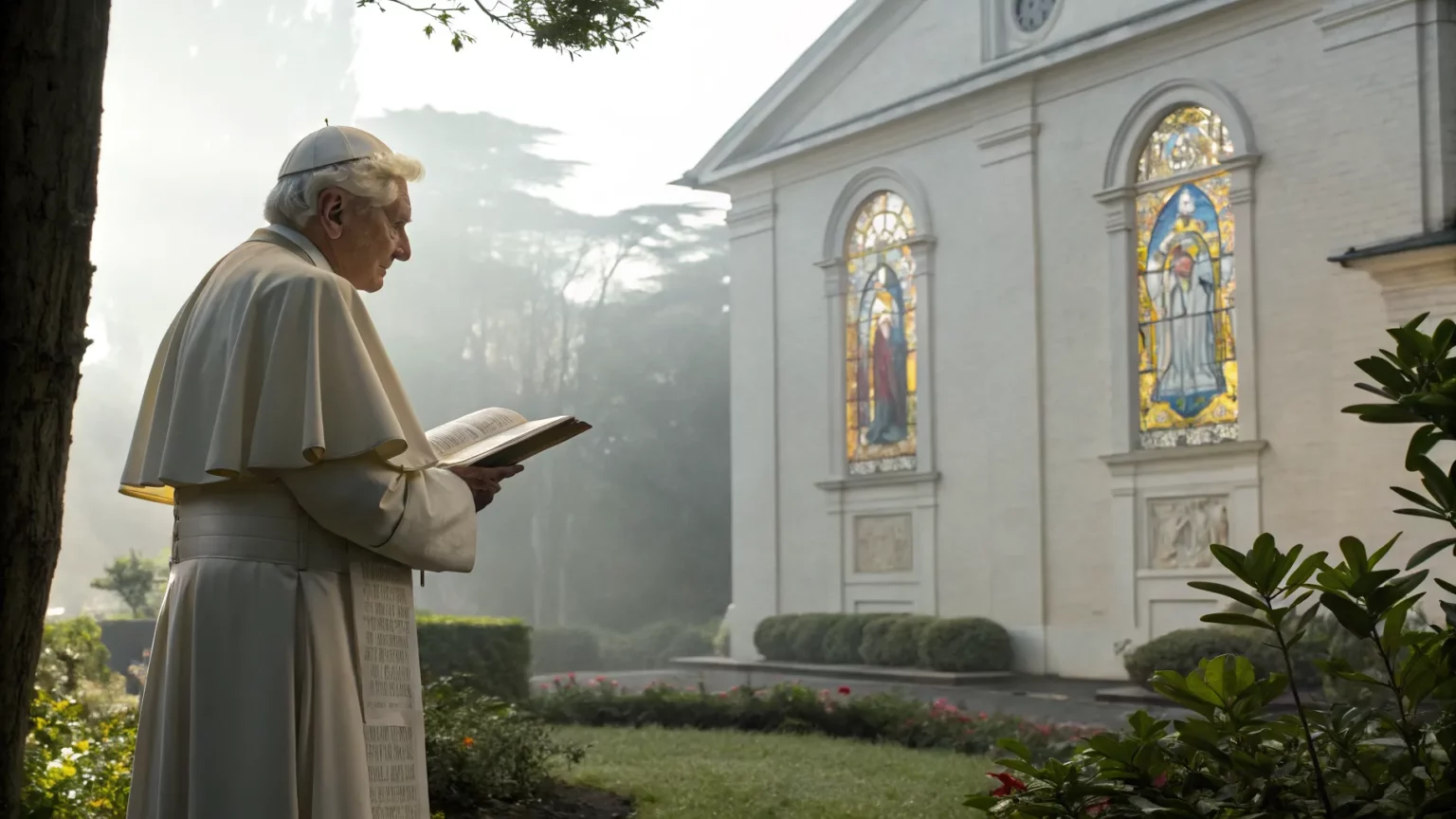
The legacy of Pope Emeritus Benedict XVI on clergy abuse is a study in contrasts: bold early action paired with a cautious defense of church structures. As debates over accountability continue, his record stands at the center of how the Catholic Church changed—and how it fell short—on one of its gravest crises.
Benedict’s tenure as prefect of the Congregation for the Doctrine of the Faith and later as pope saw crucial shifts in how Rome handled abuse cases. Yet, many survivors and reform advocates argue the institution’s protection often came first. That tension still shapes policy, public trust, and the path ahead.
Early Reforms and Centralization
Before his election in 2005, Cardinal Joseph Ratzinger pushed for the Vatican to take direct control of abuse cases. That move aimed to remove delays and uneven handling at local levels. As pope, he backed faster procedures for removing abusive priests and tightened canonical norms.
He also met with survivors on several trips, signaling that the church could not ignore their pain. Supporters point to those steps as proof that real change began under Benedict. They say his actions broke through years of denial and fragmentation.
At the same time, the church’s legal system remained the primary channel for discipline. Civil authorities were engaged inconsistently, often depending on local laws and bishops’ choices. That gap still fuels anger among survivor groups who wanted immediate reporting to law enforcement everywhere.
Institutional Protection and Its Costs
Benedict’s effort to streamline cases ran alongside a strong instinct to guard the church’s authority and reputation. Files were handled in Rome. Public disclosure was limited. Many accused clerics were removed quietly, which kept victims from learning the full story and left communities in the dark.
“The pope emeritus took the first strong steps to stop clery [sic] sex abuse, but ultimately prioiritized [sic] the institution of the church.”
That view reflects a wider critique: progress was real, but transparency lagged. In some places, bishops faced no meaningful consequences for mishandling cases. In others, nondisclosure agreements and internal processes blunted the force of reform.
Competing Measures of Accountability
Two measures define Benedict’s record. One is procedural: more uniform rules and the will to remove offenders. The other is cultural: whether the church embraced public accountability and survivor-centered practices.



- Procedures moved faster, but secrecy often remained.
- Survivors were heard by the pope, yet many wanted open files and full reporting to civil authorities.
- Bishops gained guidance, but consistent oversight of their actions was incomplete.
Critics argue that these splits weakened trust. Supporters counter that the church needed legal order first, then broader structural change.
Impact on Survivors and the Church
For survivors, the change was mixed. Some saw abusers removed at last. Others waited years for answers that stayed sealed in church archives. Many families struggled with silence and a lack of public acknowledgment.
For the church, the reforms reduced repeat offenses by known predators and set clearer rules. But scandals kept surfacing, often tied to old cases and failures to report. Each revelation reset the public debate and pressed Rome and local bishops to go further.
What to Watch Next
The questions Benedict’s era left behind are still open. How transparent should case files be? What penalties should bishops face for cover-ups? Where should church law end and civil law begin?
Some dioceses now publish lists of credibly accused clergy and cooperate more with prosecutors. Others lag. Survivor groups continue to push for independent audits, open archives, and clear timelines for reporting.
The church’s credibility rests on visible, verifiable accountability. That means consistent reporting to civil authorities, public outcomes for cases, and support services that survivors can access without barriers.
Benedict’s legacy is neither simple victory nor simple failure. He moved the system, but not the whole culture. The next chapter will be written by how fully the church matches firm procedures with full transparency—and whether survivors finally see both justice and healing.