



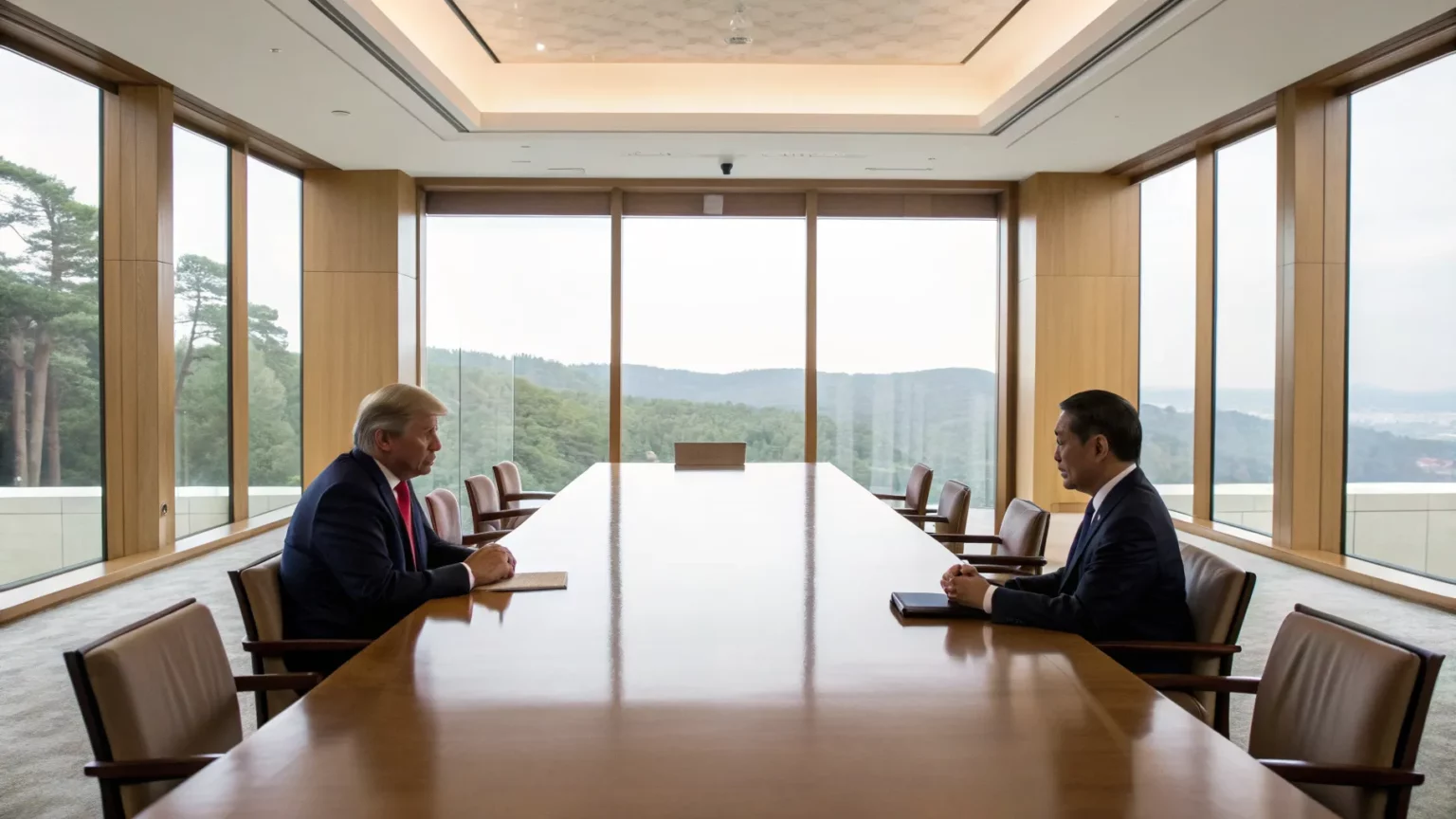
Donald Trump criticized Spain after Madrid barred the United States from using Spanish military bases to carry out strikes on Iran, a move that tests transatlantic unity and complicates U.S. planning. The decision affects agreements at key sites in southern Spain and adds strain to already tense regional dynamics.
Spain’s Decision and the Legal Ground
Spain hosts U.S. forces under a bilateral defense agreement that covers Naval Station Rota and Morón Air Base. Those bases are central to logistics, rapid mobility, and maritime security in the Mediterranean and North Africa. But Madrid retains the right to approve or limit operations launched from its soil.
Spanish governments of both left and right have often drawn lines around offensive actions outside NATO missions or U.N.-mandated operations. Officials typically cite national law, alliance commitments, and the need for parliamentary oversight. A strike on Iran would be outside NATO’s collective defense framework, making Spanish authorization less likely.
Spanish leaders also weigh domestic opinion. Public support for military action without broad international backing is low. That political reality has guided previous decisions on basing and overflight rights.
Trump’s Reaction and Diplomatic Friction
“Trump lashed out after Spain barred the US from using its military bases to carry out strikes on Iran.”
The response from Trump adds a political edge to a legal and strategic dispute. It signals frustration with an ally seen as limiting U.S. options at a time of elevated tension with Tehran.
Washington relies on allied access to reduce flight times, ease refueling, and stage assets. Limits at Rota and Morón can force longer routes, more tanker support, or shifts to other European or Gulf locations. Each adjustment adds cost and risk.
For Madrid, public criticism from a high-profile U.S. figure can harden positions. Spanish officials often defend such decisions as consistent with international law and alliance pledges. The immediate impact is diplomatic strain layered on operational friction.
Strategic Stakes in the Mediterranean
The bases in Spain anchor the western end of the Mediterranean security network. Rota hosts U.S. destroyers assigned to maritime defense and patrols. Morón supports airlift and crisis response units. While neither base exists solely for operations near Iran, both help move people and equipment across theaters.


Restrictions do not close the bases. They narrow how and when U.S. forces can use them for specific operations. That matters for planning timelines and signaling. Allies watch how disputes like this are managed because they shape future consultations.
Regional Tensions and Risk of Escalation
Any action against Iran carries risks for energy markets, shipping lanes, and regional security. Spain’s stance reflects concern about chain reactions, reprisals, and legal exposure. European capitals often push for de-escalation, sanctions, and backchannel talks before force.
U.S. planners weigh the same risks but may accept more near-term military options. When views split, allied management becomes the central task. Quiet coordination can reduce public rifts and keep coalitions intact for other missions.
What to Watch Next
- Whether Washington reroutes assets to other European or Middle Eastern bases.
- If Madrid and Washington craft a case-by-case approval process for future contingencies.
- European Union positions that either support or distance from Spain’s move.
- Any signs of backchannel U.S.-Iran talks that lower the chance of strikes.
Spain’s choice highlights the limits of access even among close partners. It underscores how legal authority, public opinion, and alliance rules shape real-world options. Trump’s sharp reaction raises the political costs for both sides, but it does not end cooperation at Rota and Morón. The next steps will likely unfold behind closed doors, where diplomats and defense planners try to align policy, law, and operations. If they succeed, the allies can preserve base access for shared missions while managing differences on Iran. If they fail, expect longer routes, higher costs, and louder disputes—outcomes neither side wants as regional risks remain high.