




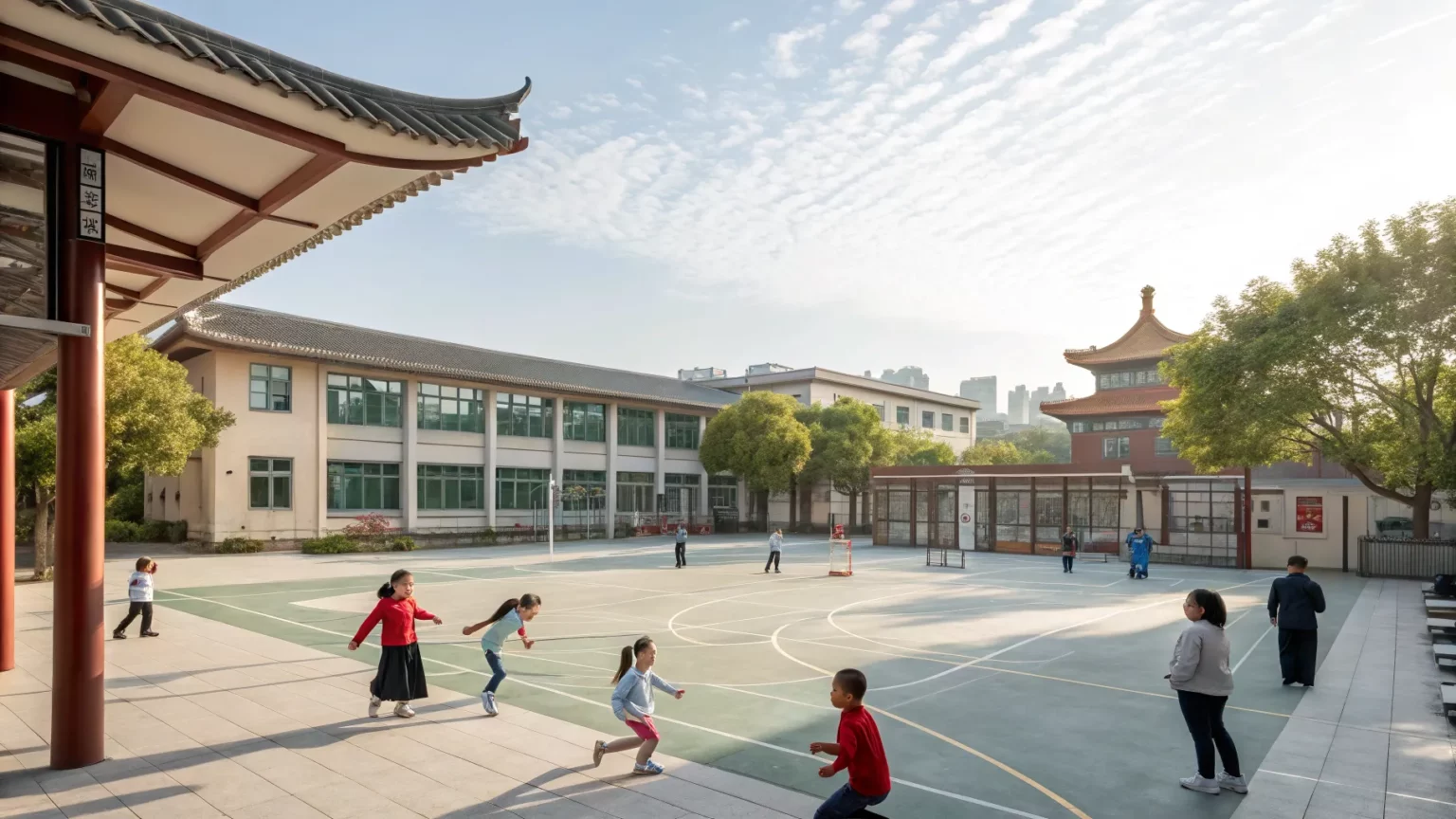
When Grace Cong Sui moved to China, her daughter’s school sent daily notes on eating, napping, and mood. She said the updates gave her more insight than she received in Los Angeles. The contrast highlights a widening gap in how schools in different countries communicate with families and manage student data.
At the core is a simple question: how much day-to-day detail should parents expect from schools, and what trade-offs come with that access? Sui’s experience reflects a model common in many Chinese preschools and elementary programs, where educators use mobile apps to document a child’s routine and share frequent photos and comments.
Background: A Rise in Real-Time School Communication
Digital parent portals and messaging apps have become standard in many classrooms worldwide. In China, schools often provide frequent, structured updates as part of daily operations. Teachers log meals, naps, and behavioral notes through smartphone platforms, which can be integrated with payment systems and administrative tools.
In the United States, schools also use communication apps, but the cadence and detail vary by district, school level, and policy. Privacy laws such as FERPA and COPPA set strict rules on student information, while resource constraints and teacher workload limit how often detailed reports go out.
Inside the Classroom-to-Parent Feed
“In China, Grace Cong Sui received daily updates from her daughter’s school about eating, napping, and mood — more insight than she ever got in Los Angeles.”
Sui’s account points to a structured routine where staff record measurable parts of a child’s day. For working parents, these updates can reduce anxiety and help with home routines. A note on a skipped nap may explain a rough evening. A log of a lighter lunch can guide dinner plans.
Teachers in such systems often follow set templates, making it faster to capture data and send a daily report. Parents receive short entries and photos inside closed groups. The goal is simple: keep families closely informed.
The U.S. Approach: Balancing Access and Privacy
American schools tend to prioritize academic progress notes over frequent lifestyle updates. Many teachers share weekly summaries or post announcements on classroom pages. Some preschools and private programs offer more frequent reports, but this is less common in public systems.
Privacy and consent are major factors. Frequent photo sharing and behavior notes create digital records that may follow a child for years. Administrators also weigh the time burden of daily documentation against instruction needs. Parents in the U.S. often want transparency, but they also expect safeguards on how data is stored and who can see it.



Benefits and Trade-Offs for Families and Teachers
- Benefits for parents: Timely insight into a child’s routine; fewer surprises at pickup; stronger school-home alignment.
- Benefits for teachers: Clear documentation for parent conversations; a log of trends in sleep, appetite, or mood.
- Trade-offs: Time spent reporting can reduce time for instruction; detailed records raise data security and privacy concerns.
Educators also note the risk of over-communication. Constant alerts may increase parent stress and prompt immediate reactions to normal day-to-day swings. Clear guidelines on what merits an alert versus a weekly note can help set expectations.
Technology, Policy, and What Parents Want
In settings like Sui’s, daily reporting fits a culture of close school-family ties and high trust in digital tools. In the U.S., expectations are more varied. Some parents seek the same level of detail, while others prefer fewer notifications and more face-to-face conversations at pickup or during conferences.
Vendors now offer features to reduce friction: templated entries, batch photo sharing, and permission controls. Policies that define retention periods, limit external sharing, and require opt-in can address privacy risks while preserving useful updates.
What to Watch
As more schools test daily updates, leaders will watch three outcomes: teacher workload, parent satisfaction, and data protection. Programs that succeed tend to set clear rules, keep messages short, and focus on information families can use at home.
Sui’s experience shows how daily notes can change the parent-school relationship. The next step for many systems is to find the right cadence—detailed enough to be helpful, careful enough to protect privacy, and light enough to keep teachers focused on teaching.