




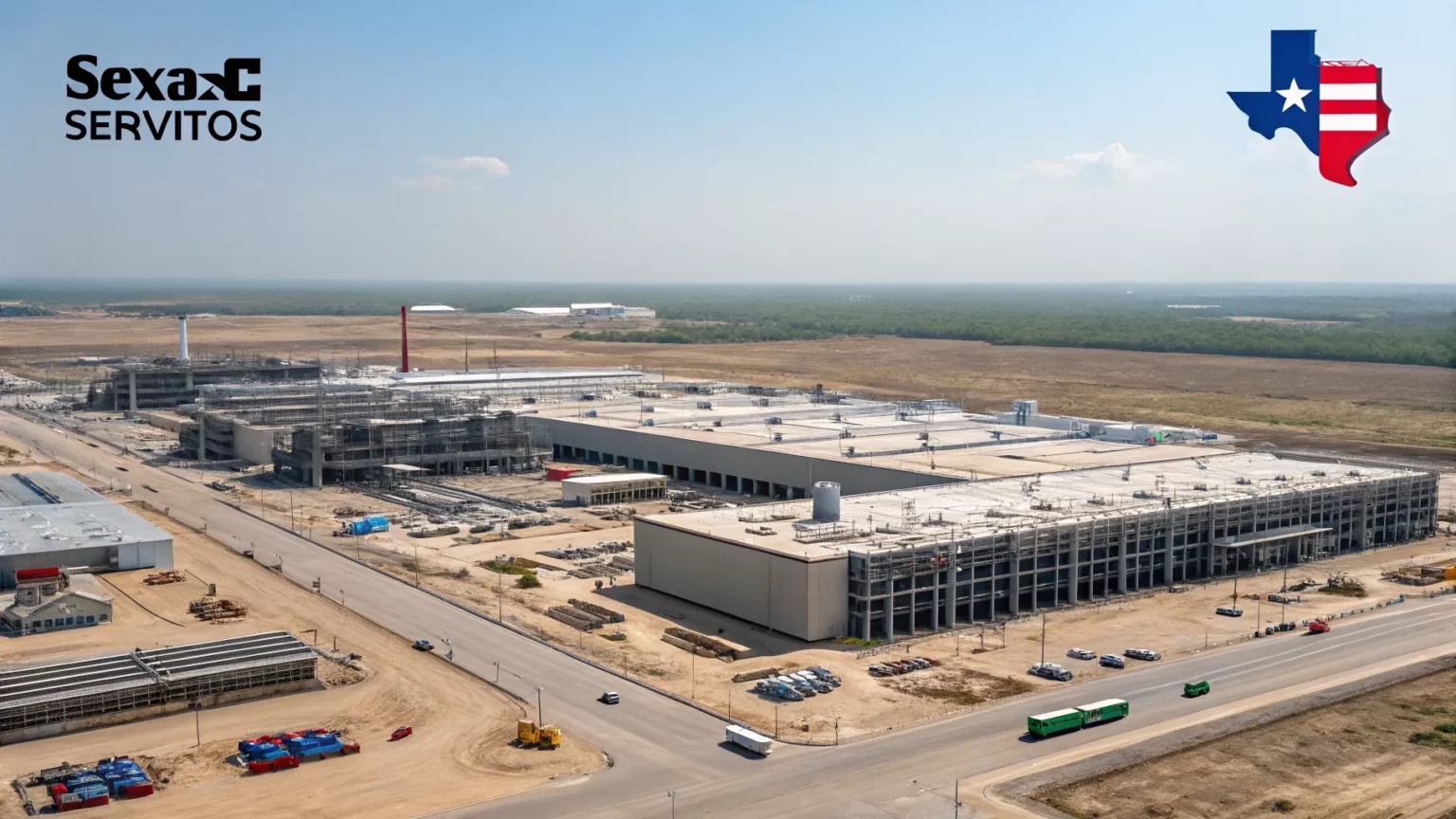
A new semiconductor partnership plans to anchor two massive chip factories in Texas with a goal that stands out in a crowded race for computing power. The companies say the facilities will generate a combined one terawatt per year of compute capacity. The scale hints at a bid to feed soaring demand for artificial intelligence and data center hardware, while tying the next wave of chipmaking to a state already steeped in high-tech manufacturing.
Few details are public, including timelines, investment totals, and the identities of the partners. But the target metric signals ambition. As data centers expand and AI models grow, builders are rushing to lock in supply of advanced processors and the specialized packaging and testing that go with them. Texas, with its growing tech workforce and established suppliers, is once again at the center of that push.
What the Partners Plan
The partnership aims to produce 1 terawatt per year of compute power across two massive chip factories in Texas.
The statement frames output in terms of compute rather than traditional chip counts or wafer starts. That approach reflects how end users now measure value: by the performance they can deploy into data centers each year. One terawatt, spread across many accelerators or processors, could support training runs, inference services, and edge computing at significant scale.
It is not yet clear whether the sites will focus on fabrication, advanced packaging, or a mix. The companies did not share process nodes, product classes, or customers. Those factors will shape how the terawatt estimate translates into actual chip volumes.
Why Texas and Why Now
Texas offers a long track record in semiconductors, anchored by clusters around Austin and the Dallas–Fort Worth area. It also provides land, a pipeline of engineering talent, and proximity to major customers. State and local incentives have attracted large projects in recent years, complementing federal subsidies under the CHIPS and Science Act.
The federal program sets aside tens of billions of dollars in grants, loans, and tax credits to expand U.S. chip capacity. For companies planning multi-billion-dollar fabs, stacking federal support with state packages can tilt site-selection decisions. The timing also aligns with a global push to diversify manufacturing and reduce supply risk after pandemic-era shortages.
Power, Water, and Permitting Challenges
Building two large fabs will test infrastructure. Chip plants are power-hungry and water-intensive. Texas has made grid improvements since the 2021 winter storm, but sustained industrial demand adds pressure. Water recycling systems can cut consumption, yet still require steady supply and permits.
Community engagement will be key. Local officials often weigh tax abatements against traffic, housing, and environmental concerns. Clear timelines, mitigation plans, and construction staffing strategies can help ease approval and build support.


Economic Stakes and Workforce Needs
Projects of this size can reshape local economies. Construction would span several years and require a large mix of trades. Once operational, fabs support engineers, technicians, and supply partners. Training programs at universities and community colleges will matter, especially for cleanroom and equipment maintenance roles.
- Supply chain depth near the sites can reduce delays and costs.
- Workforce pipelines will influence ramp speed and yield.
- Housing and transit planning will affect hiring and retention.
Industry Impact and Competitive Context
The terawatt goal reflects a broader shift. Buyers of compute now plan capacity in performance terms across fleets of chips and systems. That makes onshore production appealing, especially for parts tied to data center growth. It also raises questions about where complementary work—like packaging, substrate supply, and cooling systems—will occur.
Texas has several marquee chip projects in progress, and other states are competing for similar deals. New plants under construction elsewhere signal a tight market for specialists and materials. Vendors across equipment, gases, chemicals, and substrates may need to scale in step to hit ambitious output targets.
What to Watch Next
Investors and local communities will look for clarity on scope, schedule, and environmental reviews. Power contracts, water sourcing plans, and workforce partnerships will be early markers of feasibility. Announcements on process technology and product focus will show how the terawatt figure maps to real systems used in AI, cloud, and networking.
Procurement signals from hyperscale cloud firms and AI labs could also confirm demand. If orders align with the partnership’s output, it would reinforce the shift to measuring chip projects by delivered compute rather than wafers alone.
The plan sets a high bar. If the partners secure permits, build on time, and reach yields that match their claims, Texas could add another pillar to U.S. semiconductor capacity. The outcome will hinge on execution and the durability of AI-driven demand over the next several years.