




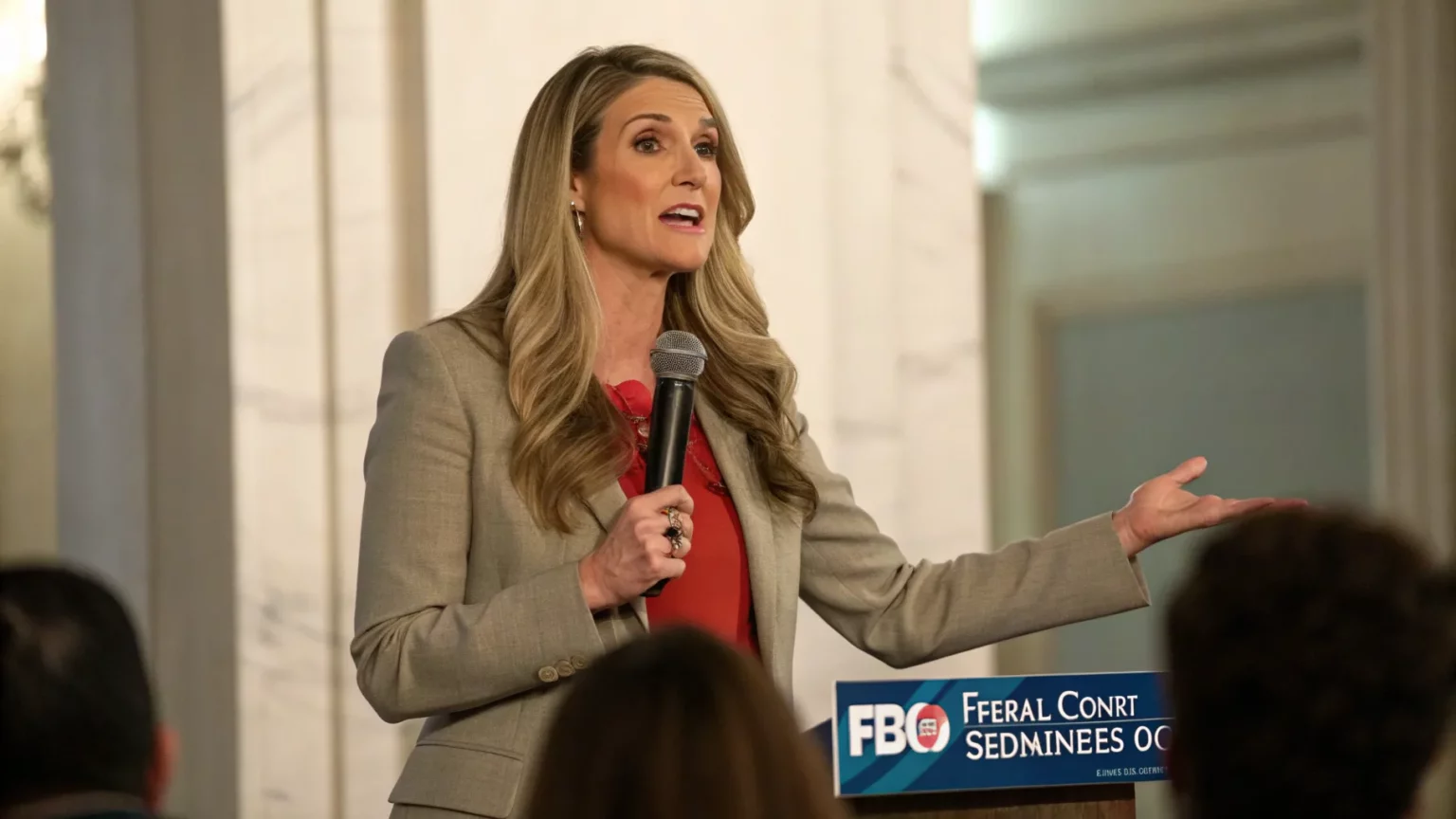
Appearing on Fox Business Network’s Kudlow, Kelly Loeffler discussed how the Small Business Administration is taking action against debanking, a practice that has left many small firms without access to basic financial services. The televised conversation placed fresh attention on the who, what, when, where, and why: a senior figure discussing federal steps now, in a national interview, to address account closures that owners say threaten their operations.
The timing matters. Account terminations and sudden service denials have surged as banks tighten compliance screens. Small businesses say they are being swept up in risk reviews with little notice or explanation. The SBA’s signal of a crackdown suggests new scrutiny of lenders that serve the nation’s smallest employers.
What Debanking Means For Small Firms
Debanking occurs when a bank closes or restricts accounts without offering a clear path to appeal. Firms lose payment rails, payroll links, and credit access overnight. Revenue can stall within days.
- Owners report abrupt notices with short timelines.
- Vendors and customers disengage when accounts freeze.
- Credit lines and SBA-backed loans can become harder to maintain.
Industry groups argue that compliance reviews tied to anti-money laundering and sanctions screening have expanded. Banks say they must manage legal risk. But small enterprises often lack the resources to shift banking relationships fast.
Signals From The Interview
Small Business Administration administrator Kelly Loeffler addresses how the SBA is cracking down on debanking practices on “Kudlow.”
The appearance highlights a widening policy debate. It indicates the agency is putting lenders on notice that access to accounts and credit should not be pulled without due process. While detailed steps were not disclosed in the segment description, the message suggests closer monitoring of how lenders treat SBA-backed borrowers and applicants.
Consumer advocates want clear rules that require written reasons for closures and routes to appeal. Bank compliance officers, by contrast, warn that rigid mandates could weaken efforts to prevent fraud and illicit finance.
How The SBA Could Act
The SBA does not regulate banks, but it can influence conduct through its loan programs. The agency guarantees a large share of 7(a) and 504 loans, and it sets participation standards for lenders. Policy tools may include:
- Guidance reminding lenders to document account closures tied to SBA borrowers.
- Stronger data collection on closures affecting SBA-backed firms.
- Conditions in lender agreements that require timely notice and appeal options.
- Coordination with federal bank regulators on complaint trends and risk models.
Such measures would not stop a bank from managing risk. But they could raise the cost of blanket actions that hit lawful businesses with clean records.


Context And Recent History
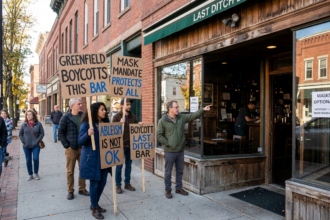
Concerns over debanking rose during past efforts to curb perceived high-risk sectors. Owners in firearms, cryptocurrency, cannabis-adjacent services, and other legal trades say they face extra scrutiny. They report being dropped despite full compliance with state and federal law.
Lawmakers in both parties have called for safeguards that keep enforcement targeted on bad actors, not entire categories. Banking agencies have issued statements reminding institutions to judge customers case by case. Yet complaints from small firms persist.
What It Means For Lenders And Owners
For banks, a sharper SBA stance could mean more documentation and customer communication, especially where SBA guarantees are involved. That adds process, but also reduces legal exposure if decisions are challenged.
For small businesses, clearer rules could provide more time to move funds, maintain payroll, and contest errors. Transparent reasons for closures would also help owners fix issues before accounts go dark.
What To Watch Next
Key markers will be any formal SBA guidance to lenders, updates to the agency’s standard operating procedures, or new reporting on account closures. Coordination with bank regulators would signal a broader push.
If the agency sets expectations around notice and appeal for SBA-linked clients, it could ripple across the market. Lenders may apply similar steps to non-SBA customers to keep processes uniform.
The on-air message was clear: small firms need stable access to banking to grow and hire. The next test is whether policy follows, and whether it strikes the right balance between risk control and fair access.