




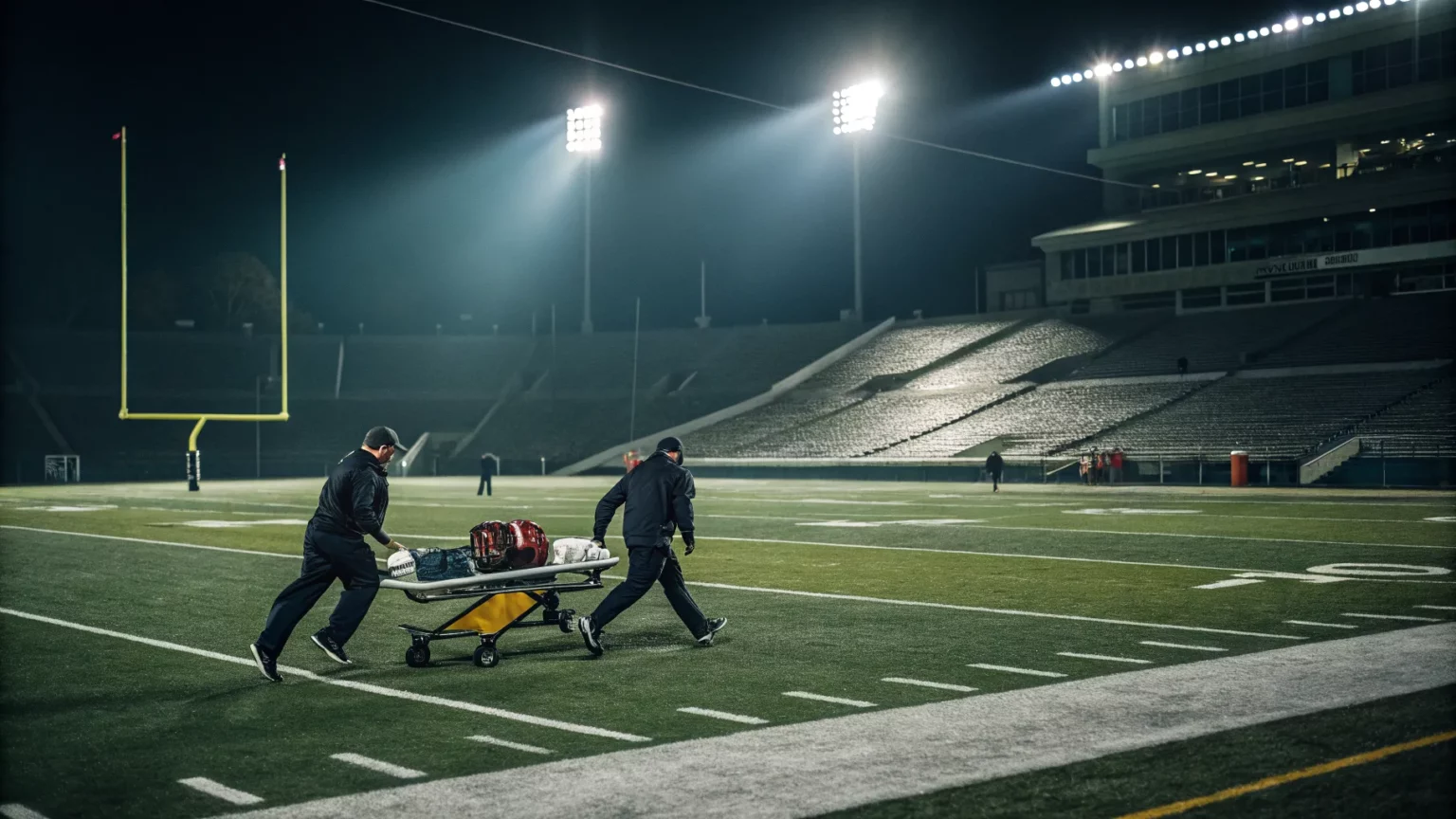
Damar Hamlin’s on-field cardiac arrest in Cincinnati shocked a live audience, stopped a game, and forced a hard look at football’s risks and our appetite for them. The incident, during a primetime matchup in January 2023, raised a blunt question: will the jolt fade and leave fans more numb to injuries that happen every week?
The episode spurred urgent responses from the league, teams, medical staff, and broadcasters. It also ignited a national debate over how much harm a sport can normalize before public concern softens. The stakes are cultural, medical, and commercial.
A Flashpoint in a Violent Sport
Football’s physical toll is not new. Fans have long accepted hard hits as part of the game. Hamlin’s collapse felt different because it paused play and peeled back the usual armor of routine. Viewers watched CPR on live television. Players wept and formed a wall around a teammate fighting for life.
In the days that followed, stadiums added more visible AED access, teams refreshed emergency drills, and many fans learned how to recognize cardiac distress. Hamlin returned to football, a triumphant outcome that also made some people wonder whether relief might blunt the lesson.
“How Hamlin’s collapse could desensitize fans to the NFL’s predictable brutality.”
That warning lingers because the weekly injury ticker rarely stops. High-speed collisions, head impacts, and lower-body injuries are part of the product. The question is whether a single shock can rewrite long-term habits.
How Fans Adapt to Risk
Sports psychologists describe a cycle that can follow vivid trauma. Public alarm spikes, media coverage surges, and behaviors shift. Then routines return, and attention slides back to highlights and fantasy points. The NFL’s massive schedule encourages that drift. By the next slate of games, the conversation moves on.
Desensitization does not mean people do not care. It can mean that repeated exposure trains the audience to look away. Viewers learn to compartmentalize. The broadcast shifts to replays of a clean tackle. The cart rolls, and the game resumes. Ratings rarely suffer for long.
League Moves and Their Limits
In the wake of high-profile injuries, the NFL has leaned on safety messaging and rule tweaks. The league has expanded spotter authority, increased unaffiliated neuro evaluations, and promoted better helmet tech. Penalties for hits to the head have grown stricter.


- Emergency readiness: More visible AED placement and sideline rehearsal of life-saving protocols.
- Practice gear: Guardian caps for certain positions during training to reduce impact load.
- Concussion checks: Additional return-to-play safeguards and independent oversight.
- Kickoff redesign: A revamped format aimed at cutting high-speed collisions on returns.
These steps can help. But they do not erase the core bargain of the sport. Speed and contact sell tickets. Safer technique takes time to teach, and enforcement will always chase the game’s speed.
Media, Money, and the Message
Broadcast partners face a delicate choice. Show too much of an injury, and it feels exploitative. Show too little, and viewers miss key context. Since Hamlin, networks have moved faster to cut away from graphic scenes and update safety notes. That approach can reduce trauma for audiences. It can also dull urgency.
Team and league statements often stress prayers, protocols, and resilience. Those messages comfort fans and keep the show moving. Critics argue that quick returns to play turn crisis into intermission. Supporters say continued games help communities process fear.
Players at the Center
For athletes, the tension is sharper. Players know the risks and also know their careers are short. Many push for better benefits, fuller long-term health coverage, and clearer post-career care. Any lasting change will hinge on their leverage in collective bargaining and public support that does not fade by midseason.
What to Watch Next
The next serious injury will test the system again. Do stadiums respond faster? Do broadcasters add more health context? Do rule-makers keep chipping at the most dangerous plays?
Fans hold quiet power. They can reward teams that invest in safety staff and demand transparency on injuries. Youth programs can copy the best ideas on technique and emergency prep. Sponsors can back changes that make the game safer without sanding off its core.
Hamlin’s story turned from terror to recovery, which is a gift. The larger question remains. Will that memory push the sport to steady improvement, or will comfort return as the hits keep coming? The answer will show up on Sundays—on the field, in the booth, and in the stands.