



Three of the world’s top chip players are throwing support behind a British self-driving startup, signaling a fresh push to bring AI-driven vehicles to market. AMD, Arm and Qualcomm Ventures are investing in Wayve, a company developing end-to-end AI driving software, to help scale its “AI Driver” and speed up integration into vehicle platforms worldwide.
The companies announced the strategic investment to expand computing access and secure paths to deploy the technology in production cars. Financial terms were not disclosed, and timing for commercial rollouts remains unclear. The move highlights a growing effort to pair advanced silicon with software that can learn from real-world data instead of relying on hand-coded rules.
Background: A Shift in How Cars Learn
Wayve, founded in the United Kingdom, has championed a camera-first, end-to-end approach to autonomous driving. Rather than stitching together many separate modules, its system trains neural networks directly from driving data to handle perception, planning and control.
That idea has gained interest as traditional autonomous programs have struggled to scale. Robotaxi services have progressed in limited zones, while most consumer vehicles still offer driver-assistance features short of full autonomy. Automakers are under pressure to add more capable systems without massive hardware costs.
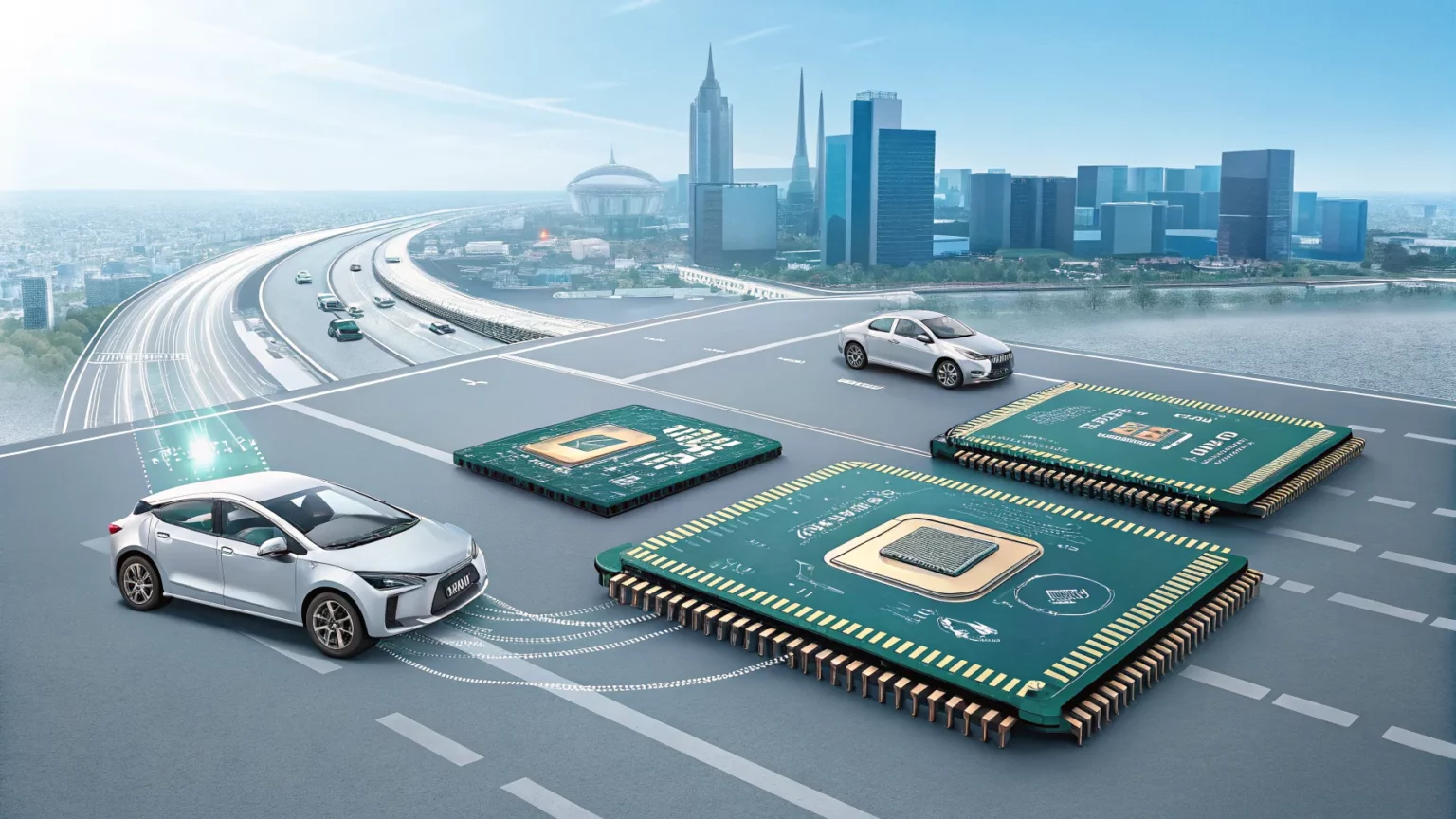
Silicon partners matter here. AMD builds high-performance CPUs and GPUs used for AI training and inference. Arm’s CPU designs power the majority of automotive and mobile chips, valued for efficiency. Qualcomm supplies advanced automotive SoCs that already ship in millions of vehicles. Their buy-in signals confidence that software-driven autonomy will need close alignment with compute roadmaps in factories and on the road.
What the Partners Say They Will Do
“AMD, Arm and Qualcomm Ventures are investing in Wayve to help scale AI Driver technology and accelerate integration into global vehicle platforms.”
Translating the statement into practical steps suggests a focus on:
- Ensuring the AI Driver runs efficiently on production-grade automotive chips.
- Expanding access to training compute in the cloud and at the edge.
- Building reference designs to help automakers adopt the software faster.
Each investor brings a different path to scale. AMD can supply training and inference horsepower. Arm’s ecosystem can help standardize how models run across many vendors. Qualcomm can link software to infotainment and driver-assistance platforms already in market.
Why This Matters for Automakers
Car companies face rising costs for sensors, compute and software while margins stay tight. An AI model that learns from data and improves over time could reduce engineering complexity. If these systems run on existing or near-term chips, the path to mass production gets shorter.



There are hurdles. Regulators require clear safety cases and traceability. End-to-end models are powerful but can be hard to verify. Insurance frameworks and consumer trust lag the tech. Cities also differ on rules for testing and deployment. The new investments aim to address these issues by pairing software advances with predictable, certified hardware platforms.
Context From the Broader AV Field
The autonomous sector has seen mixed results. Some robotaxi pilots operate in limited areas with strong safety records. Others have paused service after high-profile incidents that drew scrutiny from officials. Meanwhile, driver-assistance systems on personal cars have inched forward, adding automated lane changes, highway navigation and city features under driver supervision.
Wayve’s approach fits a trend toward learning-based systems that scale with data rather than hand-tuned code. The promise is faster improvement and easier transfer to new cities or vehicles. The risk is proving consistent behavior in edge cases. That is where deep partnerships with chip makers—who can standardize performance and safety features—may help.
What to Watch Next
Key signals will include technical milestones, such as running Wayve’s models on production automotive silicon with real-time performance and energy limits. Automaker tie-ups will also matter, especially if they include plans for supervised deployment in consumer vehicles.
Regulatory progress is another marker. Clear test protocols, data-sharing frameworks and reporting standards could speed conditional approvals. The combination of software advances and hardware standardization may help meet those requirements.
The new backing from AMD, Arm and Qualcomm Ventures gives Wayve access to critical compute pathways and stronger ties to the car industry’s supply chain. If the partners can turn that alignment into reliable, verifiable systems, the result could be faster progress from test fleets to everyday cars. For now, the announcement raises expectations that AI-first driving software is moving closer to large-scale production. The next phase will show whether the technology, the chips and the rules can line up on the road.