



Authorities have issued an urgent warning after rat poison was found in a tampered baby food jar that was likely sold in Europe. The alert raises public health concerns and has prompted a coordinated response from food safety officials and retailers. Investigators are racing to identify the source and scope of the contamination, and to prevent possible harm to infants and families.
“Authorities warn of potentially life-threatening contamination after rat poison was found in a tampered baby food jar likely sold in Europe.”
What Is Known So Far
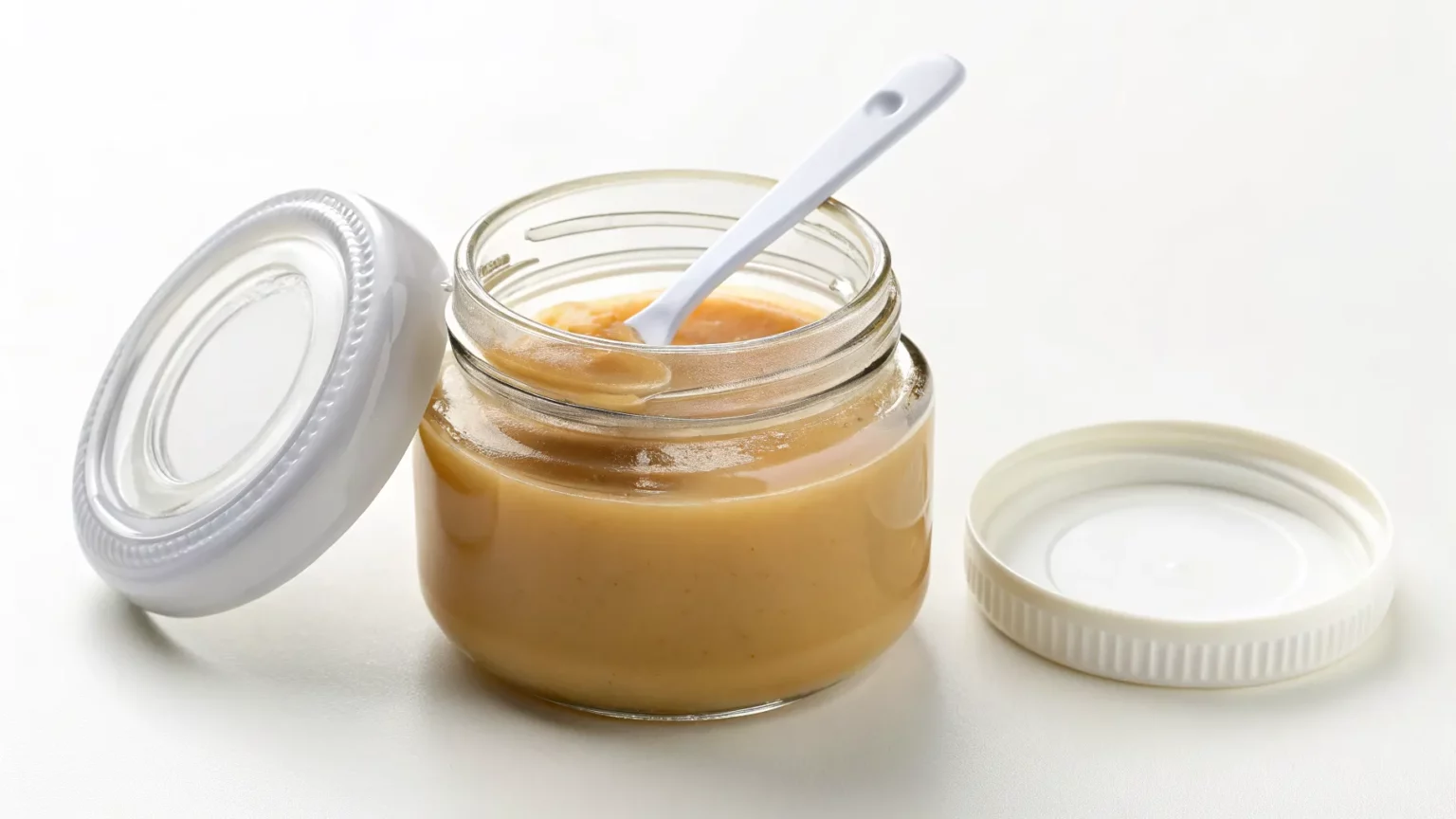
Officials say a single jar appears to have been physically altered and contaminated with a toxic substance typically used for rodent control. The warning focuses on the risk that other units could also be affected, though officials have not confirmed additional cases. The brand, batch, and specific retailer have not been disclosed while testing and traceability checks continue.
Food safety teams are reviewing distribution records, comparing batch codes, and analyzing packaging integrity. Retailers in multiple European markets have been asked to check shelves and back-room stock for signs of tampering, such as broken seals, unusual odors, or residue around lids.
How Authorities Are Responding
Authorities have activated cross-border alert channels used for rapid food safety notifications. Laboratory testing is underway to confirm the substance and concentration levels. Police are assisting with a criminal investigation into product tampering, a serious offense under consumer protection and public health laws.
Retailers have been instructed to withdraw any suspect items and reinforce point-of-sale checks. Health agencies are preparing clinical guidance for frontline clinicians and poison control centers, in case exposure is suspected.
Health Risks and Symptoms
Rat poison can cause severe internal bleeding, organ damage, or death, depending on the compound and dose. Infants are especially vulnerable. Parents and caregivers should watch for signs such as sudden vomiting, unusual bleeding or bruising, pale skin, lethargy, or seizures.
Immediate medical care is vital if ingestion is suspected. Clinicians may use blood tests to assess clotting and organ function. Treatment often involves vitamin K for certain anticoagulant poisons, activated charcoal in early cases, and hospital observation.
Manufacturing and Retail Safeguards
Baby food makers use sealed jars, tamper-evident bands, and batch coding to track products. These measures help detect interference and speed recalls. Retailers conduct visual checks during receiving and stocking, and many keep higher-risk products under closer surveillance.



When tampering is suspected, standard steps include halting sales, isolating inventory, documenting batch codes, and submitting samples for testing. Market withdrawals can be expanded quickly if multiple units show similar issues.
Advice for Consumers
Parents and caregivers can take simple steps to reduce risk while the investigation continues:
- Inspect baby food jars before purchase and before feeding. Check seals, lids, and vacuum buttons.
- Avoid products with damaged caps, broken bands, stained labels, or off smells.
- Keep the original jar and lid if you notice anything unusual. Do not taste-test.
- Report concerns to the store and local food safety authority. Provide batch codes and purchase locations.
- Seek urgent medical care if ingestion is suspected. Bring the product to the clinic if safe to do so.
Market Impact and Next Steps
Even isolated tampering incidents can trigger wide recalls and temporary supply gaps. Retailers may remove entire ranges while testing progresses. Producers often increase packaging security and audit logistics partners after such events.
Authorities will aim to pinpoint where the interference occurred—at the factory, in transit, or at retail. Traceability data and CCTV reviews can help narrow the timeline. If further contaminated units are found, advisories could expand to specific brands, cities, or countries.
The warning highlights the need for vigilance across the supply chain and at home. While investigators work to confirm the scope, families are urged to inspect products carefully and act quickly on any concerns. Further updates are expected as lab results arrive and distribution checks conclude. For now, the clearest takeaway is simple: check seals, trust your senses, and seek care without delay if something seems wrong.