




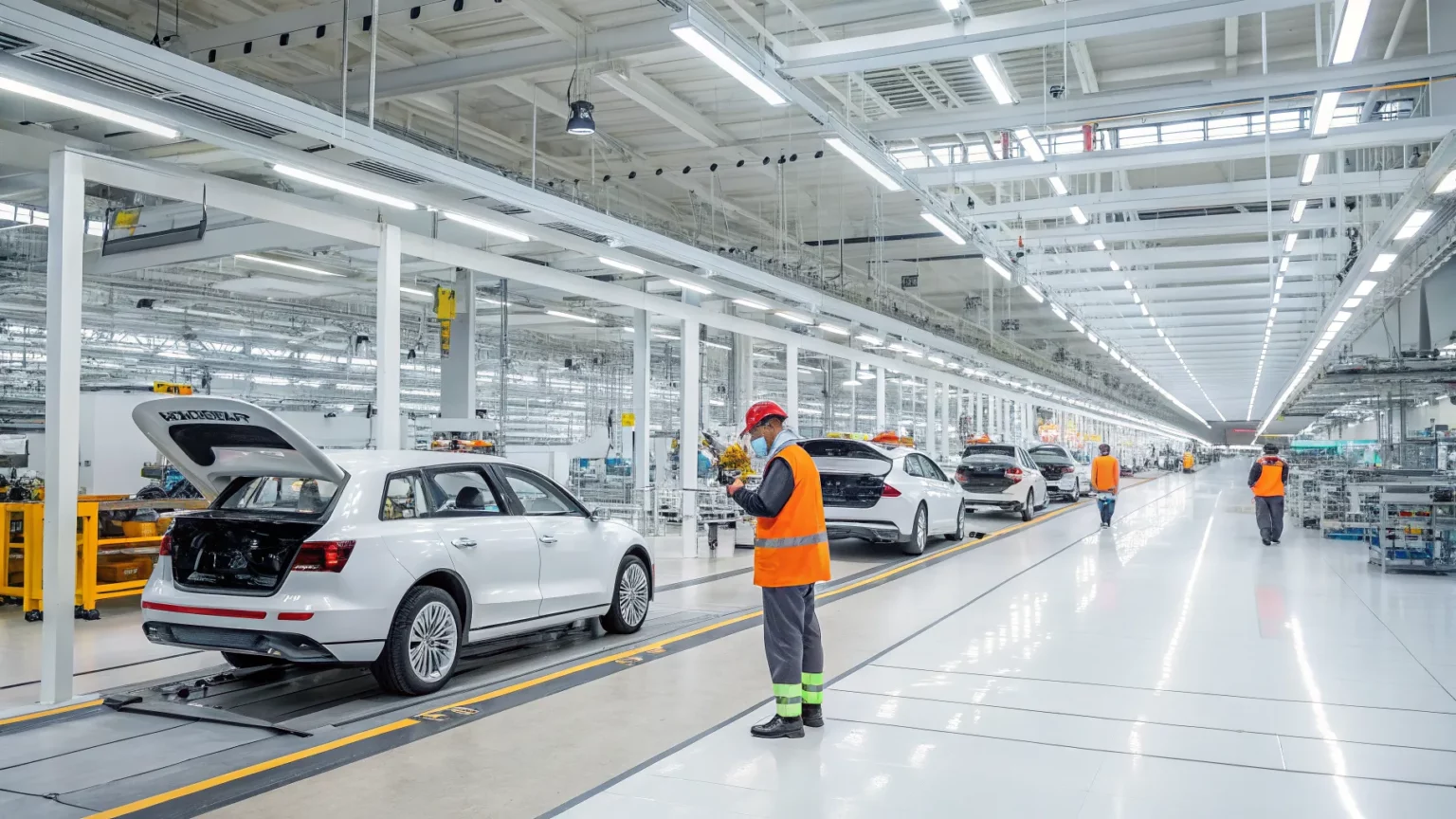
Stellantis NV is considering selling or sharing four factories in Europe as it seeks to fix excess capacity, with the Rennes site in France among the candidates. The move would mark one of the company’s most significant operational reviews since its 2021 merger, and could reshape production in key markets where demand and technology are shifting fast.
The automaker, which makes Peugeots and Citroëns, is assessing options now, according to people familiar with internal discussions. The plan aims to better match output with orders as buyers weigh higher prices, incentives, and the shift to electric models. Any decision would carry weight for workers, suppliers, and local governments across the region.
“Stellantis NV has identified four factories in Europe it may sell or share as the maker of Peugeots and Citroëns tackles overcapacity, with France’s Rennes site among them, according to people familiar with the situation.”
Why Stellantis Is Reviewing Sites
Automakers in Europe face weaker utilization rates as consumer demand moves unevenly between combustion, hybrid, and electric vehicles. Industry analysts say plant utilization below roughly 80% can strain margins and prompt restructuring. Companies are also rebalancing footprints as supply chains normalize after pandemic shortages.
Stellantis has been consolidating platforms and negotiating supplier costs since the merger of PSA Group and Fiat Chrysler. The company has signaled it will keep capital discipline while funding electric programs and software. Sharing a plant with a partner can spread fixed costs. Selling a site can free cash but may invite political scrutiny.
Rennes, historically linked to mid-size models, sits within France’s industrial policy priorities as the country pushes for domestic EV production. Any change there would draw attention from unions and local officials given its role in regional employment.
What a Sale or Partnership Could Mean
Several scenarios are under review across the four sites, based on the people briefed on the plans. A joint venture could bring in an external automaker or contract manufacturer. A sale could transfer ownership to a supplier or an industrial investor.
- Sharing a site could keep production lines active with mixed volumes.
- A sale could lead to a shift in product mix or a repurposing of facilities.
- Either path might protect some jobs but alter work rules or shift schedules.
For Stellantis, the goal would be leaner fixed costs and a production base aligned to demand. For communities, the focus would be long-term job security and new investment commitments.
Labor and Political Response
Unions in Europe typically push for guarantees before any transfer or partnership. They seek clarity on model allocations, training, and severance policies. In France, government officials often engage early when strategic sites face change, especially when public incentives have supported recent upgrades.



Workers often worry about temporary contracts and supplier jobs tied to a plant. Mayors and regional leaders press for investment milestones and protection for smaller businesses in the local supply chain. These talks can shape the final terms of any deal.
Industry Context and Outlook
Rival automakers have also trimmed capacity or repurposed lines as EV adoption moves in waves across Europe. Some have delayed investments, while others have partnered with battery makers or contract assemblers to share risk. Price competition from Chinese brands and higher financing costs have added pressure.
Analysts expect more asset reviews if demand remains choppy. Flexible plants that can build multiple powertrains are better positioned. Sites tied to models in declining segments face tougher choices unless they secure new allocations.
Stellantis has emphasized cash flow and return on investment in recent updates. The company has also targeted better procurement and shared vehicle platforms to lower costs. Any decision on the four plants would fit that strategy if it preserves competitiveness while preparing for stricter emissions rules.
What to Watch Next
Key signals will include formal consultations with unions, statements from French and other European officials, and any early-stage partner talks. Model allocation announcements for 2026 and beyond will also be important. Suppliers near Rennes and the other sites will look for clarity on volumes and timelines.
If Stellantis pursues partnerships, expect negotiations on governance, investment levels, and production targets. If it opts for sales, due diligence on environmental liabilities and retrofit needs will follow.
The review points to a broader industry shift: right-sizing factories while preparing for mixed fleets of combustion, hybrid, and electric vehicles. The outcome at Rennes and the three other sites will show how one of the world’s largest carmakers plans to balance cost, capacity, and the next phase of demand.
Stellantis has not announced final decisions. Any agreement will likely roll out in stages, with phased transitions and conditions tied to employment and new product plans. The stakes are high for workers and communities, but the company’s push to address overcapacity suggests changes are coming soon.