




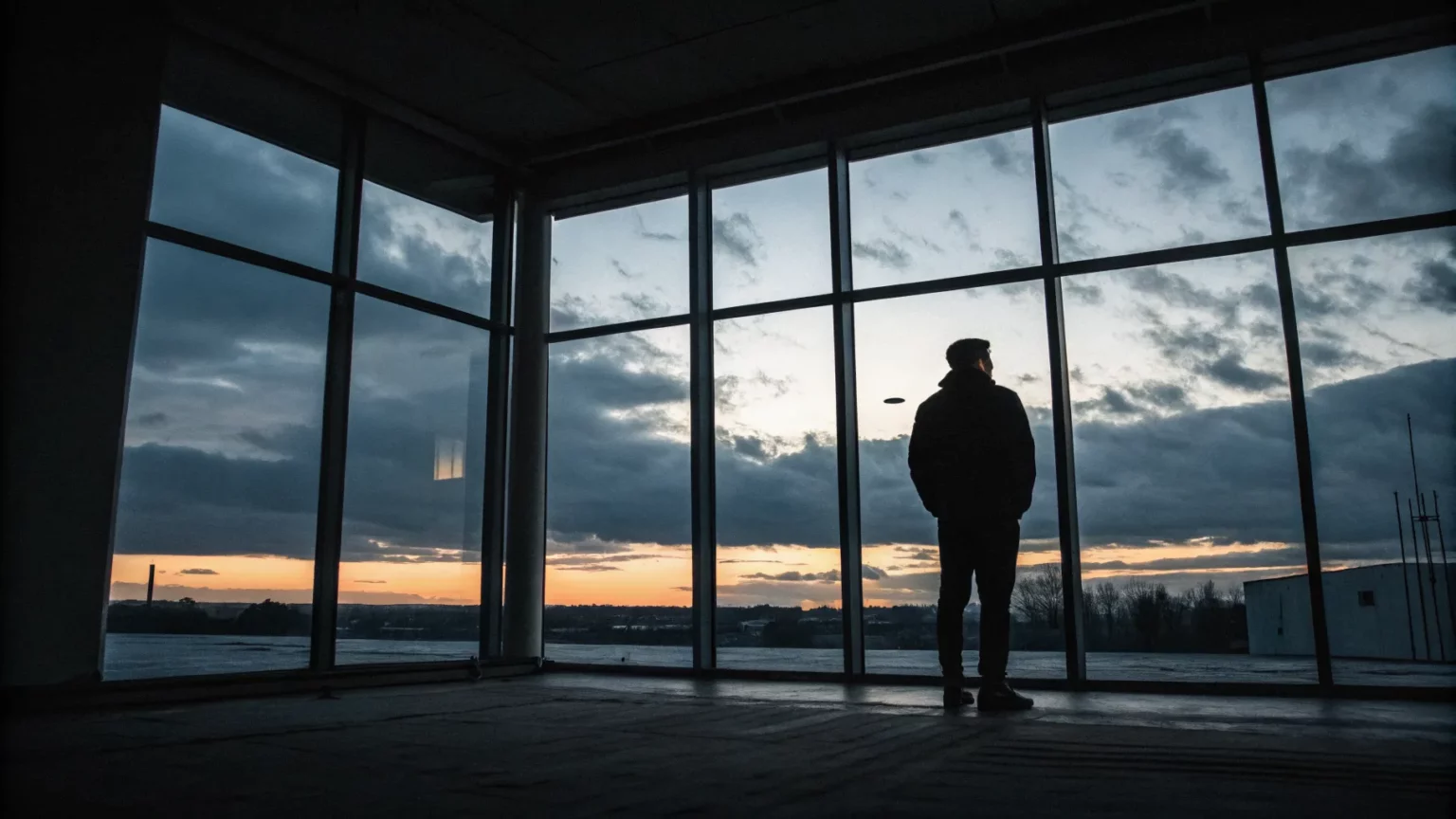
As daylight shrinks and temperatures drop, mental health experts warn that the coming weeks could feel heavier for many Americans. Shorter days mean less daylight, colder evenings, and more time indoors at a moment when many are already worn down by months of limited social contact. The timing is awkward, the setting is familiar, and the mood, for many, is fragile.
The shift arrives as families brace for winter routines and communities still manage changing public health guidance. People who’ve already been inside for much of the year face another season of early darkness and quiet rooms. For some, that mix can fuel anxiety, low energy, and sleep problems. For others, it can spark a deeper slide toward seasonal depression.
Shorter Days, Longer Shadows
Across the country, clocks may not have changed yet, but the light has. Afternoon commutes now end in dusk. Evening walks happen under streetlights. That loss of daylight has real effects on mood and sleep cycles, according to clinicians who treat seasonal affective disorder (SAD) and related conditions.
“Sunset is arriving noticeably earlier, meaning less mood-lifting daylight for everyone.”
Researchers have long linked shorter daylight to changes in serotonin and melatonin, which can influence mood and circadian rhythm. This year, those shifts land on people already juggling remote work, hybrid school schedules, and fewer social outlets.
The Weight of Staying In
Months of limited social life have turned homes into offices, classrooms, gyms, and places to worry. That setup can feel confining as winter approaches.
“We’ll soon spend even more time cooped up inside the homes where we’ve huddled, and sometimes completely quarantined, for six months.”
Mental health providers say the sameness of days can blur time and dull motivation. When the sun sets earlier, that sameness can tighten. People who rely on outdoor time for relief can find their options cut by weather and darkness.
Who Feels It Most
The strain is widespread, but not uniform. People living in northern states typically experience stronger seasonal swings. Parents managing work and child care often carry extra stress. Older adults and those living alone may feel isolation more sharply in winter. And anyone with a history of depression or anxiety faces higher risk when daylight drops.
Communities with fewer parks, limited access to safe outdoor spaces, or crowded housing also have fewer low-cost ways to get light and movement when it matters most.



What Can Help Right Now
Therapists and primary care doctors suggest small, consistent steps that protect sleep, movement, and connection. None are magic, but together they can ease the slide many feel this time of year.
- Get morning light, even for 15 minutes.
- Keep a steady sleep and wake time.
- Schedule brief walk-and-talk calls with friends.
- Consider light therapy boxes after consulting a clinician.
- Plan simple, repeatable dinners to cut decision fatigue.
For those with stronger symptoms—persistent low mood, changes in appetite, loss of interest, or thoughts of self-harm—clinicians recommend reaching out early. Talk therapy, medication, or a combination can be effective, especially when started before symptoms worsen.
Routines, But Make Them Realistic
Experts say expectations should match the moment. Ambitious wellness plans often fizzle under stress. Instead, think small: a 10-minute stretch, stepping onto the porch at sunrise, or setting a daily time to text a friend. These routines give structure without adding pressure.
Households can also share the load. Rotate chores, set device-free hours in the evening, and create small rituals—Friday night board games, weekend soup-making—that give each week shape.
Communities and Workplaces Have a Role
Employers can help by normalizing midday breaks for light and movement, offering flexible hours, and sharing mental health resources. Schools and community groups can schedule outdoor meetups while weather allows and move virtual gatherings earlier, before darkness drains energy.
Local governments can keep parks open longer, improve lighting on popular walking routes, and promote safe winter activities. These steps give residents more options to stay active and connected when daylight is scarce.
What to Watch as Winter Nears
Clinicians expect a steady rise in seasonal symptoms in the coming weeks. They are watching sleep patterns, social withdrawal, and increased substance use as early warning signs. Families can look for mood shifts that last more than two weeks and intervene sooner rather than later.
Public health leaders also note the ripple effects on productivity and school performance. As a preventive move, some are boosting telehealth capacity and supporting peer-led groups that meet online through the darkest months.
Earlier sunsets are not new. But stacked on months of limited social contact, they hit harder. The takeaway is simple: catch morning light, protect sleep, plan small connections, and ask for help if you need it. The season will turn. Until then, a few steady habits can keep spirits from sinking with the sun.