




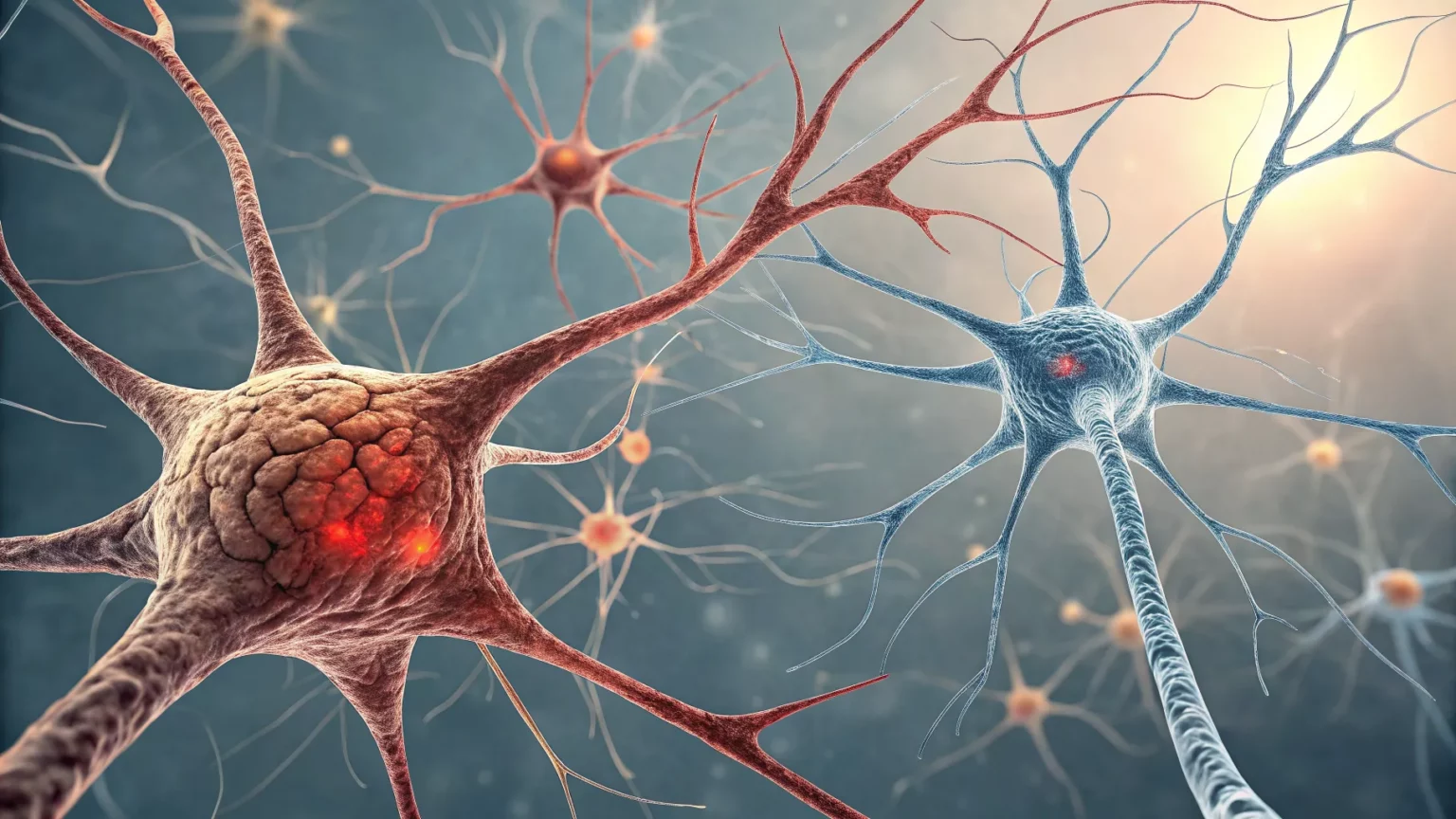
A large analysis of more than 600 donated brains reports that energy loss in cells, measured by low ATP, is a key driver of ferroptosis tied to Alzheimer’s disease. The finding offers a fresh target for drug development and reframes how scientists think about neuron death in late-stage disease.
Researchers examined post-mortem brain tissue and found strong signs that ATP depletion tracks with biochemical changes linked to ferroptosis. The work points to energy failure as a trigger for iron-driven, lipid-based cell death. The results could guide new treatments that aim to protect neurons by restoring energy balance or blocking ferroptosis.
“Analysis of over 600 post-mortem brains reveals ATP depletion as key in Alzheimer’s-related ferroptosis, pointing to new treatments.”
Why Energy Failure Matters
Alzheimer’s disease is marked by memory loss, cognitive decline, and brain shrinkage. Protein build-up, including amyloid and tau, has long dominated research. But many trials targeting those proteins have struggled to halt functional decline.
ATP is the cell’s energy currency. Neurons need steady ATP to fire signals, recycle synapses, and maintain ion balance. When ATP drops, cells cannot keep up with stress, and harmful reactions spread.
Ferroptosis is a form of cell death tied to iron and the peroxidation of lipids in membranes. It is biochemically distinct from apoptosis and necrosis. Mounting evidence suggests that oxidative stress and iron handling can push vulnerable neurons toward ferroptosis.
Inside the New Evidence
The study surveyed brain samples from people who died with and without Alzheimer’s pathology. By spanning more than 600 brains, the dataset gives a wide view across ages, disease stages, and brain regions. The analysis linked low ATP states with markers consistent with ferroptosis.
That connection places cellular energy failure near the heart of late neuron loss. It also helps explain why neurons in high-demand regions may falter first. When mitochondria fail to keep ATP levels up, iron-driven lipid damage may tip cells past a point of recovery.
Potential Paths for Treatment
If ATP depletion primes ferroptosis, therapies could target both. One route is to stabilize energy production in mitochondria. Another is to boost defenses against lipid peroxidation. A third is to limit iron-driven reactions inside at-risk neurons.



- Support mitochondrial function to sustain ATP.
- Use ferroptosis inhibitors to block lipid peroxidation.
- Adjust brain iron handling to reduce oxidative stress.
Several drug classes, including antioxidants and iron chelation agents, have been tested in neurodegeneration with mixed results. The new link suggests combinations or precise timing may be key. Interventions might need to hit energy pathways and ferroptosis together, and be deployed before widespread neuron damage sets in.
How This Fits With Earlier Research
Past studies have documented mitochondrial dysfunction in Alzheimer’s brain tissue. Others have found iron build-up and altered lipid metabolism. The new analysis brings these lines together by tying ATP loss to ferroptosis signatures in a large cohort.
Independent scientists have called for careful validation in living patients. Blood and spinal fluid markers for ferroptosis are under development. Advanced imaging of brain iron and metabolism is also moving forward. These tools could test whether ATP-related ferroptosis tracks with symptom progression and responds to therapy.
What Comes Next
Researchers will likely pursue longitudinal studies to watch energy and ferroptosis signals change over time. Trials could explore drugs that raise neuronal ATP or block ferroptosis in early disease. Safety and dosing will be central, as iron and lipid metabolism affect many organs.
For families and clinicians, the work hints at a new layer of treatment beyond amyloid and tau alone. It suggests that preserving energy balance may help keep neurons alive even when protein aggregates are present.
Alzheimer’s affects millions worldwide and remains without a cure. By centering energy failure as a driver of ferroptosis, the new analysis widens the search for workable therapies. The next step is to confirm these mechanisms in living patients, identify reliable biomarkers, and test targeted combinations in controlled trials. If those efforts hold up, future care could pair anti-amyloid strategies with drugs that protect neuronal energy and block ferroptosis, offering a more complete shield against decline.