


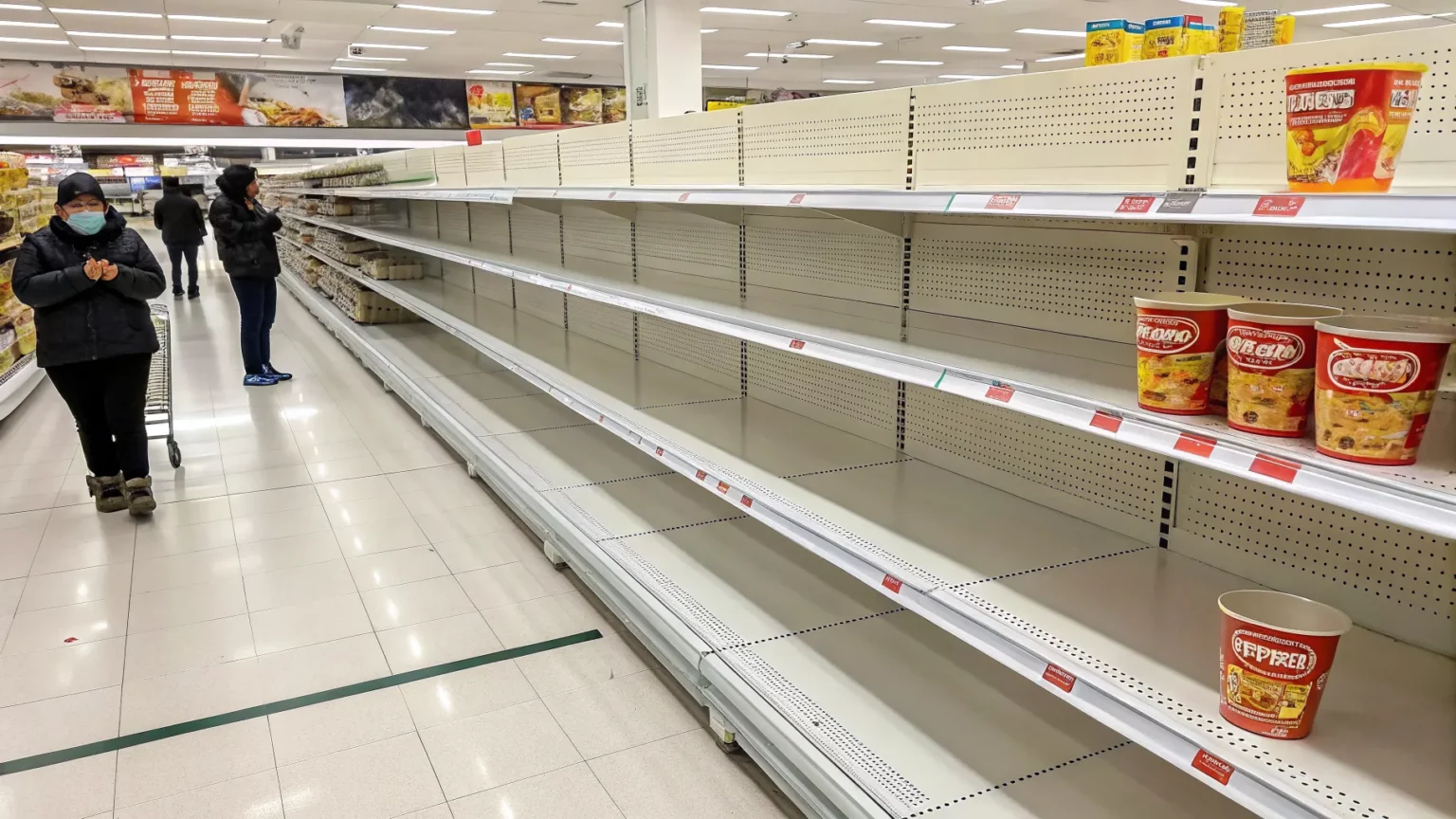
A popular instant noodle brand has been pulled from shelves across the country after officials flagged a risk of peanut contamination, prompting urgent allergy warnings.
The recall, issued nationwide, seeks to protect people with peanut allergies from accidental exposure. The move affects consumers in every region and calls for immediate product checks at home and in stores. The action reflects growing concern over cross-contact in food manufacturing and the life-threatening nature of peanut reactions.
What Triggered the Recall
A nationwide recall has been issued for a popular instant noodle product after a potential peanut contamination raised serious allergy concerns.
Authorities signaled that undeclared peanuts may be present in the product. Such events typically occur when ingredients are mismanaged, supply chains shift, or labels fail to capture allergens. While details on batch numbers or production dates were not released, the nationwide scope signals a broad distribution footprint and a cautious approach.
Undeclared allergen recalls are common in packaged foods, including snacks and ready meals. Instant noodles face special risks due to seasoning packets, flavor oils, and shared equipment. Even small traces can trigger severe reactions.
Peanut Allergy Risks and Labeling Rules
Peanut allergy is one of the most severe food allergies. Reactions can include hives, swelling, vomiting, and dangerous drops in blood pressure. Anaphylaxis can set in quickly and may be fatal without prompt treatment.
Food Allergy Research & Education estimates that about 200,000 people in the United States require emergency care each year for food allergy reactions. Peanuts are a leading cause. Federal law requires clear labeling of major allergens, including peanuts, on packaged foods. A recall is the standard remedy when an allergen may be present but not listed on the label.
Cross-contact can occur at any point in production, from raw ingredient handling to final packaging. Preventing it requires strict cleaning, supplier oversight, and documented controls.
Industry Impact and Supply Chain Questions
Instant noodles are a high-volume, low-margin product. A recall disrupts factories, logistics, and retail partners. It may also lead to wider checks of suppliers that provide spice blends and oils used in flavor packets.



Manufacturers often respond by auditing lines, halting production runs, and testing retained samples. Retailers usually remove products quickly while awaiting instructions on returns or disposal.
Food safety experts say transparency matters. Clear public updates help shoppers identify affected items and reduce confusion when similar products remain on shelves. They also encourage companies to reassess allergen control plans and staff training.
What Consumers Should Do
People with peanut allergies should treat this recall seriously. Even if the product looks safe, unlisted peanuts can appear in trace amounts. Those traces can still cause severe reactions.
- Check pantries for the recalled instant noodles and set them aside.
- Do not taste the product to see if it is safe.
- Follow disposal or refund guidance from the seller or maker.
- If exposure is suspected, seek medical advice immediately.
Consumers without peanut allergies may also choose to remove the item, especially if they cook for guests or children with food sensitivities.
Regulatory Context and Next Steps
Food regulators classify recalls based on health risk, with undeclared peanut exposure typically placed in the most serious tier. Companies are expected to trace affected lots, notify distributors, and issue public notices.
Future updates often include specific product identifiers such as UPCs, lot codes, and best-by dates. Retailers may post signs at stores and online. Additional testing could either narrow or expand the scope.
The recall highlights a steady pattern: labeling and cross-contact remain leading causes of food recalls, even as systems improve. For now, shoppers should monitor official notices and check products at home. If further details emerge, they will likely address lot codes, refund instructions, and production fixes. The key questions ahead center on source of contamination, strength of supplier controls, and how quickly trust can be restored.