




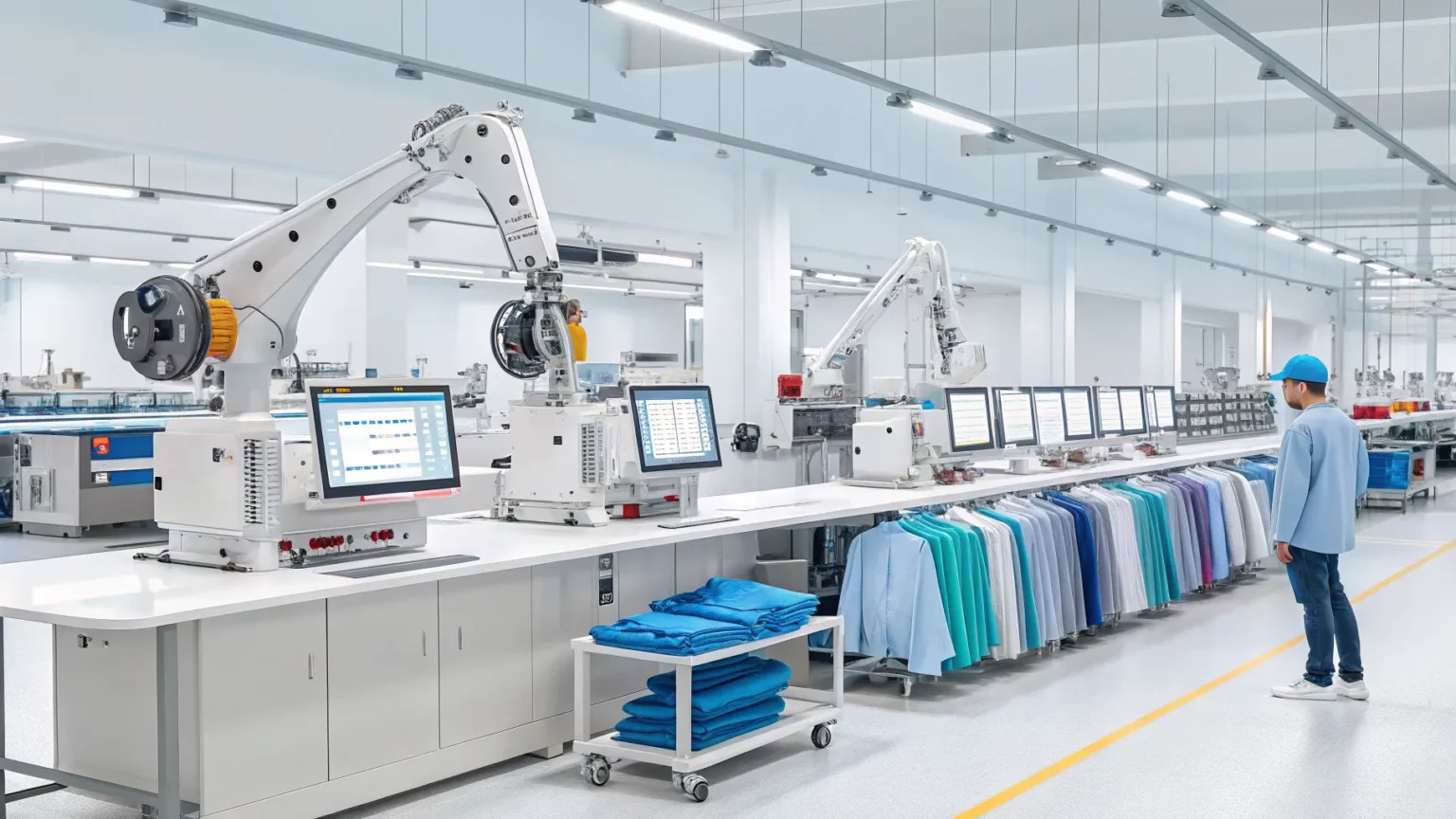
As apparel makers weigh cost, speed, and risk, a new wave of automation is reviving talk of moving some clothing production back to the West. Brands and suppliers in the United States and Europe are testing machines that can cut, sew, and finish garments with less human labor. The shift follows years of dependence on Asian factories and supply chains stretched across oceans.
The idea is simple: shorten delivery times and reduce exposure to shipping delays, trade disputes, and sudden demand swings. The question is whether new equipment and on-demand workflows can produce quality garments at prices shoppers will accept.
“Most clothes are made in Asia, but new machines could bring some of that work back to the West.”
How Apparel Production Moved Offshore
For decades, clothing brands moved work to countries with lower wages. China, Bangladesh, Vietnam, and others became centers of mass production. Large orders, long planning cycles, and low unit costs rewarded this model.
Events in recent years exposed its weak spots. Factory shutdowns, port backlogs, and higher freight rates made long lead times risky. Retailers were left with either empty shelves or excess stock. Many began to ask if shorter supply lines could protect margins and reduce waste.
What New Machines Can Do
Today’s equipment can cut fabric with computerized precision, stitch standardized seams, and assemble simple garments with minimal handling. In some cases, vision systems help guide fabric, and software links design files straight to production lines. Small batches can move from design to finished goods in days rather than months.
These advances favor items with repeatable patterns such as T‑shirts, joggers, and home textiles. Complex garments—like tailored jackets—still require skilled hands. Even so, partial automation can raise output per worker and make regional facilities more viable.
Why Brands Are Considering Reshoring
Companies point to three goals: speed, flexibility, and risk reduction. Production closer to shoppers can cut delivery times and limit unsold inventory. It also reduces exposure to shipping delays and shifting tariffs. Some see marketing value in “made local” labels and lower transport emissions.
- Faster response to trends and seasons
- Smaller runs to match real demand
- Less inventory write‑off and discounting
- Reduced shipping distance and emissions
Costs, Jobs, and Training
Labor costs in the West are higher, so success depends on efficiency. Automation can help, but machines need capital, maintenance, and trained operators. Unions and workforce groups see potential for new roles in programming, quality control, and machine repair. They also warn that entry‑level sewing jobs could be fewer.


Skills will matter. Short courses in digital pattern making, machine setup, and industrial maintenance could fill gaps. Community colleges and training centers may play a key part if reshoring expands.
Environmental and Ethical Factors
Shorter supply chains can cut transport emissions. Local oversight may help with labor standards and transparency. On-demand production can limit overproduction, a major source of textile waste. Yet automation itself uses energy, and the climate benefits depend on local power sources and factory practices.
Limits and Open Questions
Technology still struggles with soft, stretchy fabrics and intricate designs. Many garments include steps like attaching collars, zippers, or delicate trims that are hard to automate. Achieving retail prices that match mass-made imports is another hurdle.
Retailers must also rethink planning. Automated cells work best with steady, predictable flows of orders. That means better forecasting and closer coordination between design, marketing, and production.
Case Uses and Early Signals
Some brands have quietly tested micro-factories near major cities to produce basics and limited drops. These pilots show promise for rapid replenishment and customization, such as team apparel or regional styles. Larger shifts will depend on whether these pilots scale without quality slips or cost spikes.
Suppliers in Asia are also investing in the same machines. They aim to keep price edges through scale and experience. As a result, the contest is not only West versus East. It is automation versus older methods, wherever they are located.
The apparel industry stands at a turning point. Machines are getting better, and buyers want speed with less risk. Some production will likely move closer to shoppers, starting with simple items and small batches. The winners will pair new tools with skilled people and smarter planning. Watch for more city-adjacent micro-factories, investment in training, and partnerships that link design data directly to factory floors.