


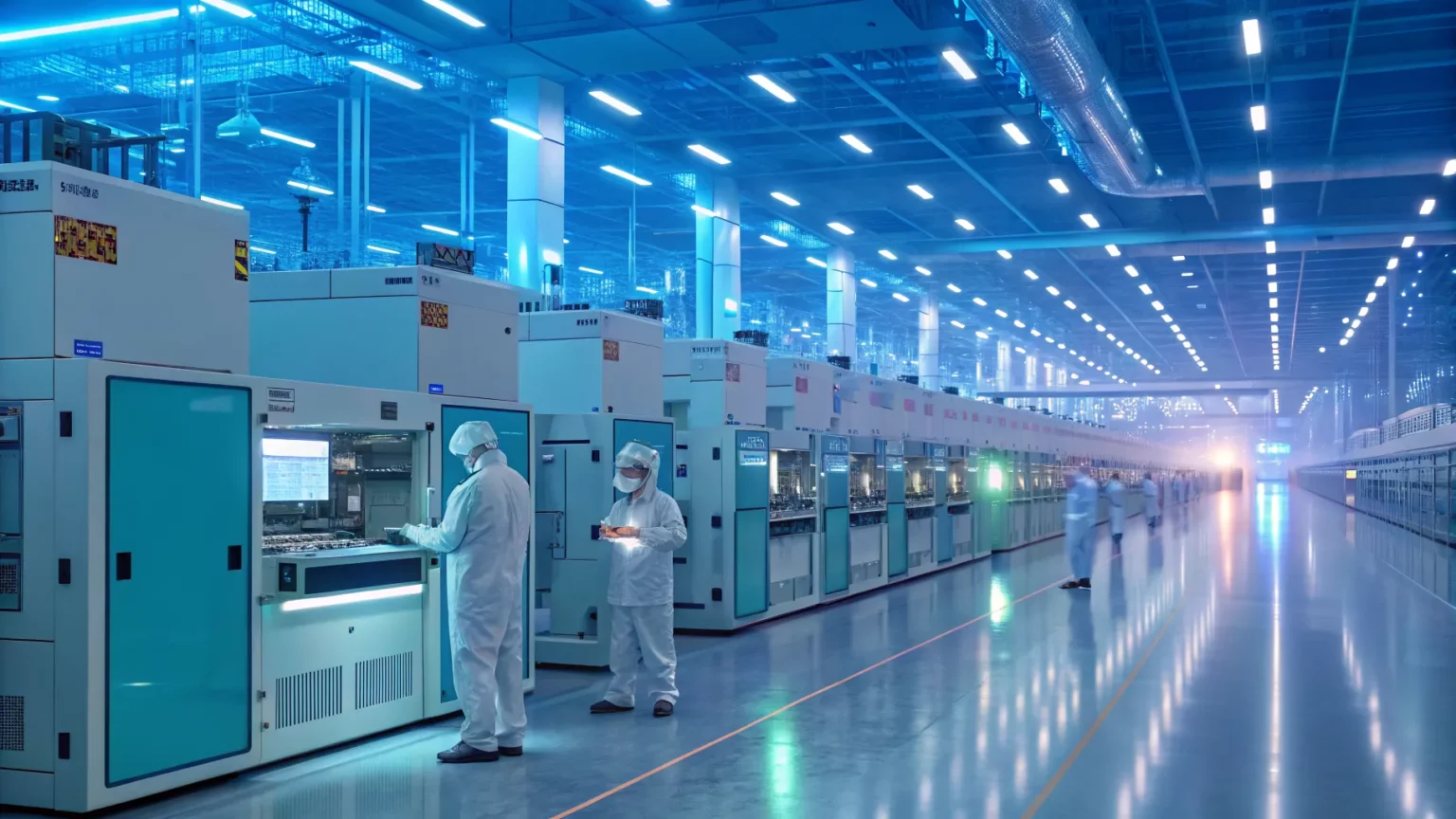
Samsung Group is set to outline a decade-long domestic investment plan on June 29 that totals 1,000 trillion won, or about $648 billion, in a move that could reshape South Korea’s technology sector and regional economies. The multiyear plan may include about 300 trillion won for new chip factories in the nation’s southwest, according to a media report published Friday. The scale signals an aggressive push to meet booming demand for advanced semiconductors while shoring up supply chains at home.
Samsung Group will announce its plan to invest 1,000 trillion won ($647.53 billion) for 10 years in South Korea on June 29, which might include a 300 trillion won spend in building chip factories in the southwest of the country, a media report said on Friday.
The announcement arrives as countries race to secure advanced chip capacity for artificial intelligence, data centers, and connected devices. It also comes as governments roll out incentives to attract strategic manufacturing and reduce exposure to geopolitical risks.
Why the Investment Matters Now
Semiconductor demand has surged with the rise of generative AI and high-performance computing. Memory chips, where Samsung leads, are recovering from a deep slump. Advanced logic manufacturing, where Samsung competes with Taiwan Semiconductor Manufacturing Co. (TSMC), is also expanding as chip designs grow more complex.
Major economies have responded with subsidies and tax credits. The United States passed the CHIPS and Science Act. The European Union and Japan launched their own support programs. South Korea has expanded tax breaks and infrastructure support to keep manufacturing at home and retain high-skilled jobs.
How It Fits Samsung’s Track Record
Samsung has a history of large, multi-year investment pledges. In 2021, the company announced a 240 trillion won plan focused on semiconductors, biopharma, and next-generation technologies. In 2023, the government unveiled a vision for a mega chip cluster near Seoul, citing long-term private investment plans by Samsung.
The new 10-year plan, if confirmed as reported, would far exceed past commitments in size and duration. For comparison, Samsung’s annual capital expenditures have often ranked among the world’s largest, at times surpassing $30 billion in a single year. The proposed figure would average tens of billions of dollars per year over a decade, implying a broad build-out spanning factories, research, and supply chains.
Focus on the Southwest
The potential 300 trillion won for chip factories in the southwest hints at a push to spread growth beyond the Seoul metropolitan area. New fabrication plants require vast land, steady power, and reliable water. Building in the southwest could bring public investment in utilities and transport, while easing land constraints elsewhere.
Local leaders are likely to welcome construction jobs and long-term employment tied to operations and suppliers. Community concerns may focus on environmental safeguards, housing pressure, and training pipelines to fill technical roles. Those questions will shape permitting timelines and community support.



Industry Impact and Competitive Stakes
Samsung dominates in memory, from DRAM to NAND. The company is also pressing to win more foundry contracts for cutting-edge logic chips. Additional factories could support both lines of business, including advanced packaging that improves performance and energy use.
Analysts say scale and timing are crucial. Building capacity during an upswing can secure market share, but oversupply risks remain if demand cools. Competitors are also expanding. TSMC and U.S. chipmakers have announced new plants, while Chinese firms invest under domestic programs despite trade restrictions.
What to Watch in the Announcement
- Breakdown of spending across memory, foundry, and advanced packaging.
- Exact locations and timelines for the southwest factories.
- Targets for jobs, training, and local supplier development.
- Environmental standards for water use, recycling, and emissions.
- Any public incentives or tax measures tied to the projects.
Risks and Open Questions
Semiconductor cycles are volatile. A plan of this size faces market swings, supply chain bottlenecks, and construction delays. Power reliability, water availability, and permitting speed will be key execution risks. Export controls on advanced equipment and cross-border tensions could affect tool deliveries and technology transfers.
Investors will look for clear return targets and pacing. Staged investments, with milestones tied to market demand, could reduce risk. Clarity on how much spending is new versus previously signaled will also matter for financial planning.
If Samsung confirms the 1,000 trillion won plan next week, it would mark one of the largest long-term corporate investment agendas in South Korea’s history. The potential southwest factories point to a broader national strategy to distribute growth and build resilience. The details on June 29 will show how Samsung intends to balance speed, scale, and sustainability as the AI era accelerates. Observers will watch for firm timelines, environmental safeguards, and how the plan strengthens the country’s chip supply chain over the next decade.