




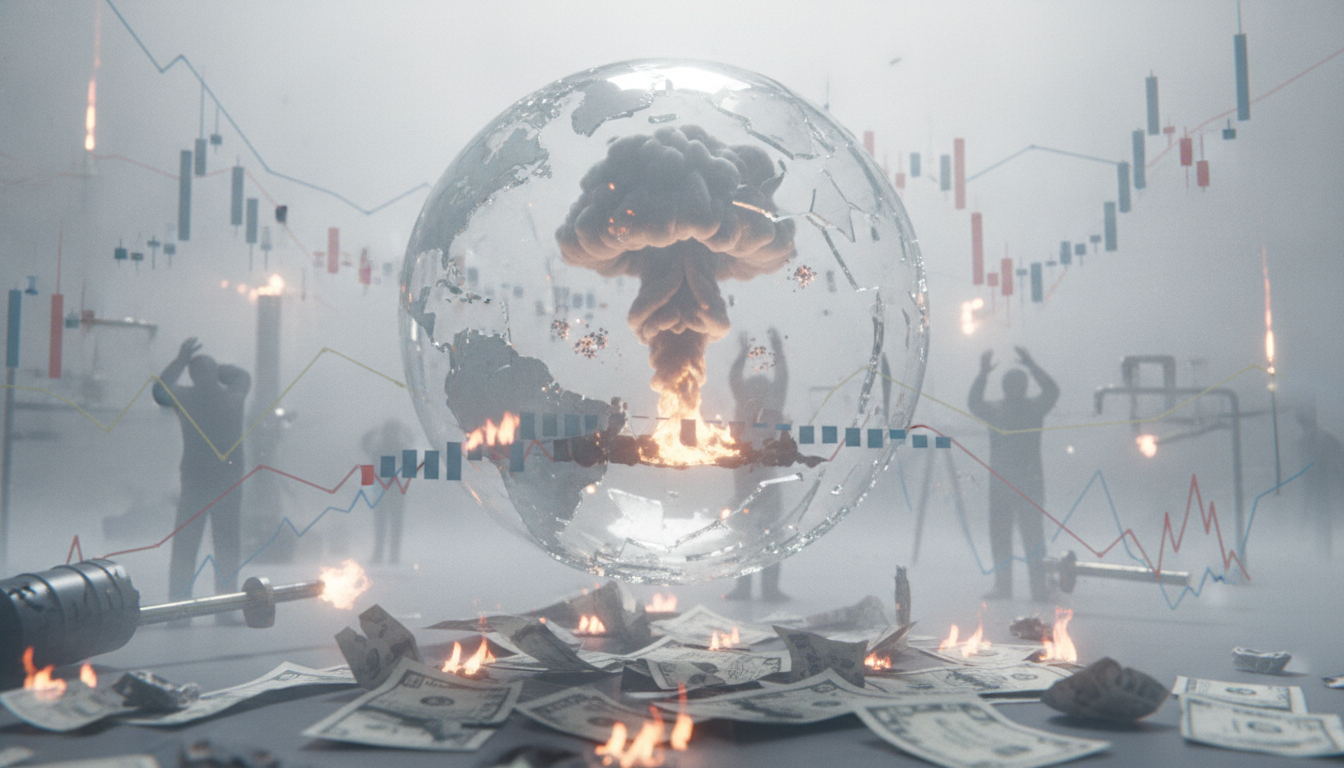
Global markets swung this week as investors weighed how an escalating war could push up prices and slow growth. Stocks and bonds both saw sharp, uneven moves. Traders struggled to price energy risks, tighter financial conditions, and the chance of weaker consumer demand. At the center is a simple question with high stakes: how long will conflict-driven inflation last, and how hard will central banks respond?
Market Anxiety Builds on Inflation Fears
Investors often sell risk assets when war threatens energy flows, shipping lanes, or trade routes. Oil and natural gas can jump, feeding into transport, food, and utility bills. That ripple can squeeze household budgets and raise costs for companies. The fear is a repeat of past supply shocks that forced policymakers to choose between fighting inflation and supporting growth.
That push and pull showed up in daily price swings. Bond yields moved as traders tested how much policy rates might need to rise or how long they might stay high. Equity indexes fell and rebounded as sectors exposed to energy costs and global trade reset their outlooks. One market observer put it bluntly:
Choppy trading in stocks and bonds also reflected anxiety among investors about the war’s effects on inflation and growth.
Central Banks Face a Tough Balancing Act
Monetary policymakers watch two gauges at once: inflation momentum and economic activity. If energy and food costs drive prices higher again, rate cuts may be delayed. If growth weakens, policymakers may signal patience or shift their guidance. The path they choose affects borrowing costs for households and companies.
Investors track market-based inflation expectations for clues. If those measures rise, bond markets often demand higher yields to compensate for price risk. If expectations stay anchored, it suggests the shock may be temporary. That distinction shapes how much pressure lands on mortgage rates, credit spreads, and equity valuations.
Winners and Losers in a War-Linked Shock
Not every sector reacts the same way to conflict and higher input costs. Energy producers can benefit from stronger prices. Airlines, shipping, and manufacturers may face headwinds from fuel and parts. Consumer staples often hold up better than discretionary goods when budgets tighten.
Portfolio managers describe a cautious stance when volatility rises. They stress liquidity, shorter bond maturities, and selective hedges. Some point to the role of safe-haven assets when headlines turn severe. Others warn that sharp rallies can follow steep drops, creating a trap for investors who chase moves.
- Energy and defense shares may see support.
- Rate-sensitive and highly leveraged firms face pressure.
- Shorter-duration bonds can reduce interest-rate risk.
- Cash buffers help manage redemptions and margin calls.
What History Suggests
Past conflicts pushed prices higher through supply channels, but the length and scale varied. Some spikes faded as trade adapted and demand cooled. Others lasted when key producers stayed offline or sanctions spread. Markets respond not only to events but also to how governments and central banks act.



Fiscal policy can soften the blow through targeted aid or energy subsidies, though it may lift deficits. Trade shifts can reroute supplies but take time and investment. Corporate earnings guidance often turns cautious first, then resets as visibility improves.
Signals to Watch Next
Investors look for signs that price pressures are easing or worsening. Shipping rates, refinery runs, and storage data can show strain in energy and goods. Wage growth and retail sales help reveal how households are coping with higher bills. Credit conditions tell whether banks are curbing lending as uncertainty climbs.
Market indicators carry their own clues. A steeper yield curve can hint at firmer growth hopes, while a flatter one can point to concern. Volatility gauges reflect demand for protection. Currency moves can show where money is seeking shelter.
The week’s swings reflect a market trying to solve an urgent puzzle: inflation risk from war versus the drag on growth. The answer will shape rates, earnings, and asset prices over the coming months. For now, caution rules. Traders will watch energy flows, policy signals, and spending data for direction. If price shocks fade, rate relief could follow. If they persist, tighter conditions may be back on the table, keeping markets on edge.