
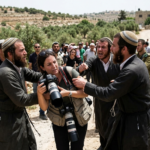


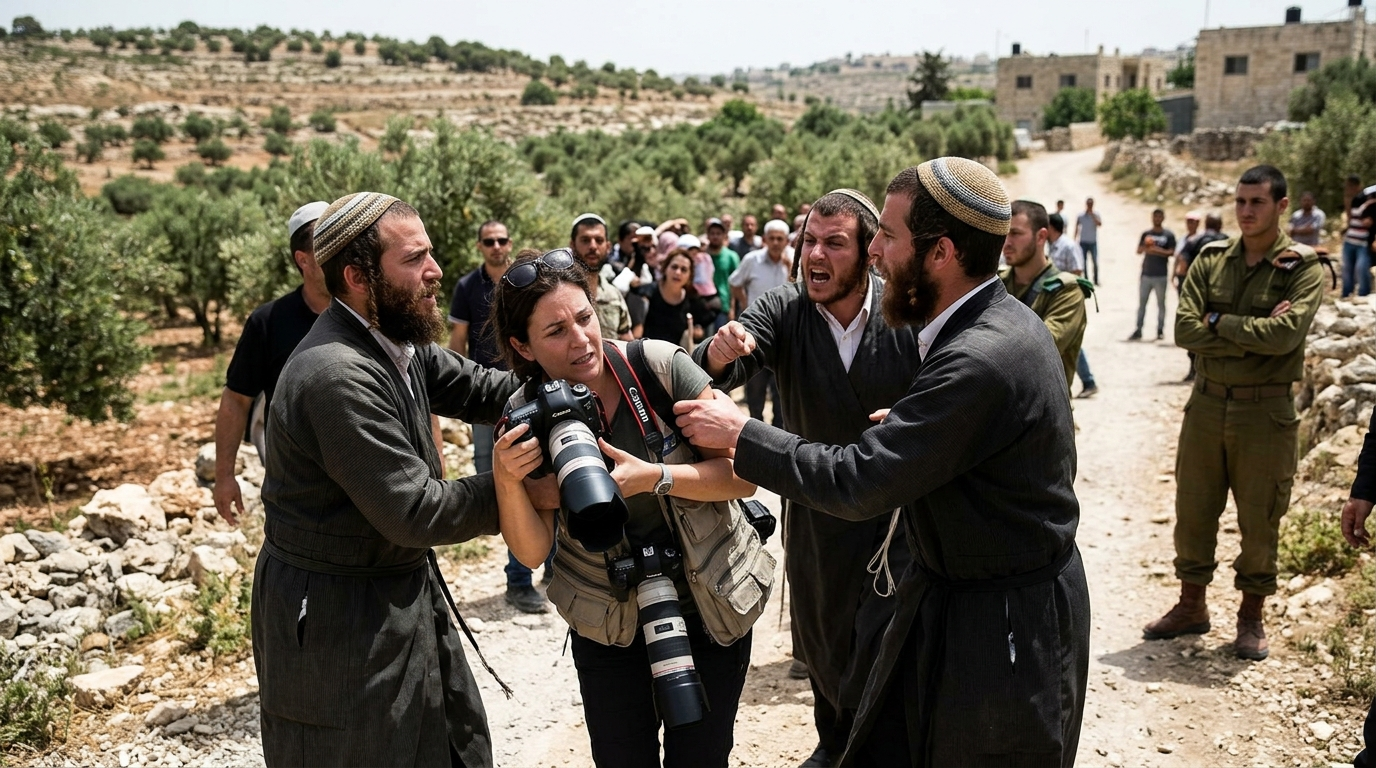
Washington Post photographer Heidi Levine says Jewish settlers attacked her in the occupied West Bank, prompting anger over the Israeli military’s response.
Levine said the military appeared to protect settlers more than people facing threats. Her account adds to concerns about journalist safety and unequal protection amid worsening violence in the territory.
Few details about the attack were immediately available. The location, timing, injuries, and events leading to the confrontation were not specified. No response from the Israeli military or the settlers involved was included in the initial account.
Levine Questions the Military’s Priorities
Levine’s criticism centers on the conduct of Israeli forces during settler violence. She believes troops placed greater priority on protecting settlers than those allegedly under attack.
Levine says she is angry that Israel’s military seems to protect settlers more than those under threat.
That claim raises questions about whether soldiers intervened, how they assessed the danger, and whether anyone was detained. Those facts would be needed for a full review of the incident.
The Israeli military has often said its forces respond to security threats and public disorder in the West Bank. Critics, including Palestinian residents and rights groups, have accused troops of failing to stop some settler attacks.
The military and Israeli authorities should have an opportunity to address Levine’s account. Without their response, the circumstances remain incomplete.
A Territory Under Growing Strain
Israel captured the West Bank in the 1967 Middle East war. Palestinians seek the territory as the main part of a future independent state.

Hundreds of thousands of Israeli settlers now live there alongside millions of Palestinians. Most countries consider the settlements illegal under international law. Israel disputes that position and cites historical, legal, and security claims.
Settler violence has long been a source of tension. Attacks can include assaults, intimidation, vandalism, and damage to farms or homes. Israeli settlers have also faced deadly Palestinian attacks.
The military carries broad security authority across much of the West Bank. Palestinian communities, however, often say that protection and law enforcement are applied unevenly. Israeli officials argue that soldiers operate in dangerous conditions where confrontations can spread quickly.
Journalists Face Risks From Every Side
Levine’s experience also highlights the hazards facing photographers who document conflict at close range. Their work often places them between armed forces, civilians, protesters, and ideological groups.
Press photographers must stay near unfolding events to record evidence. That proximity can make them targets or leave them exposed when crowds turn violent. Cameras can also draw hostility from people who do not want their actions documented.
A credible investigation would need to establish several basic facts:
- Who carried out the attack and whether they can be identified.
- How Israeli soldiers responded before, during, and after it.
- Whether Levine was injured or her equipment was damaged.
- Whether police opened an inquiry or made arrests.
Levine’s allegation is serious because press safety is tied to public accountability. When photographers cannot work safely, independent evidence of violence becomes harder to obtain.
The next steps should include a transparent review, responses from Israeli authorities, and disclosure of any available video or witness accounts. Until then, Levine’s report stands as a troubling warning about who receives protection in the West Bank, and who may be left waiting for it.