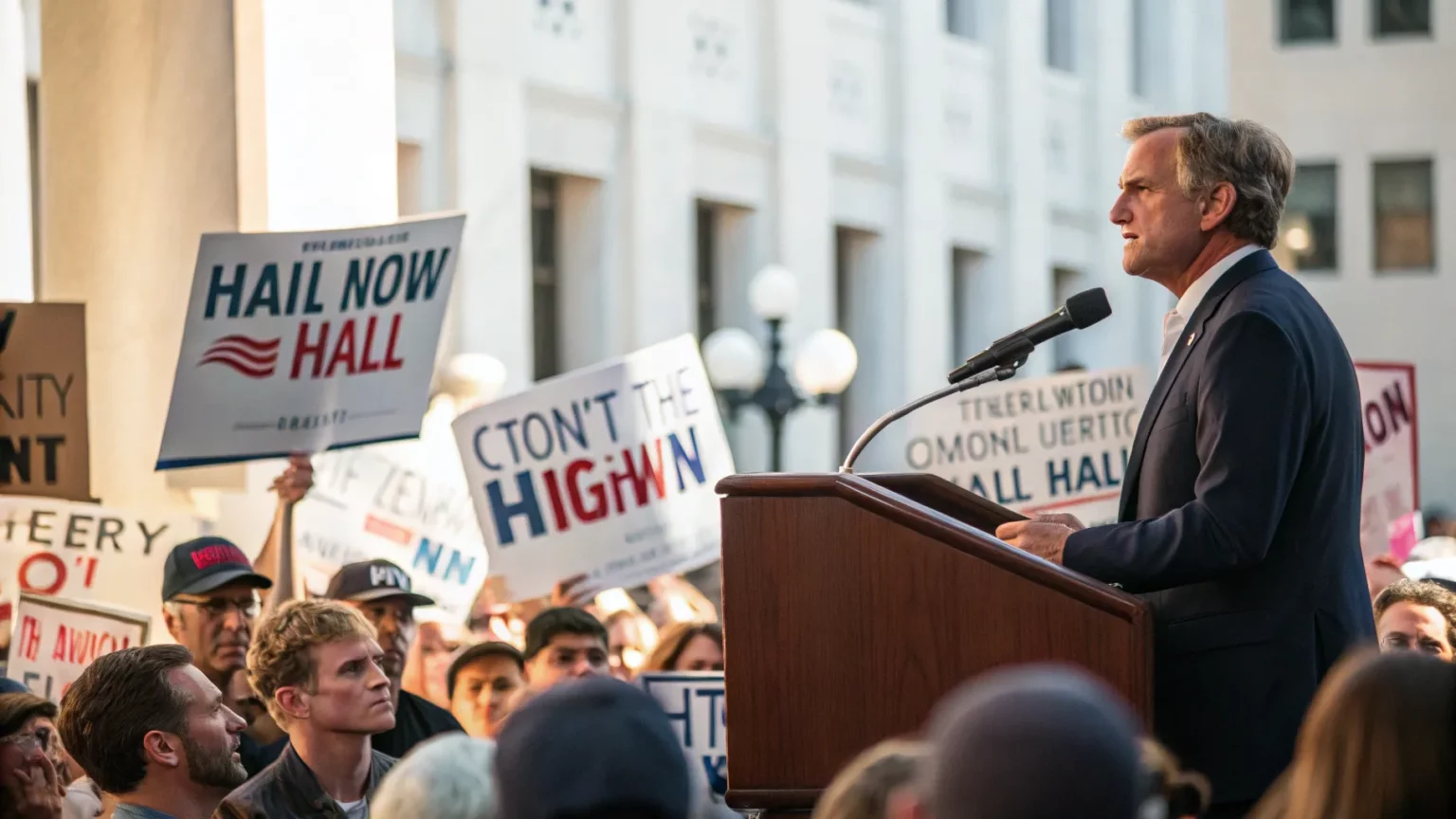
A new move has arrived as Robert F. Kennedy Jr. steps up efforts to advance anti-vaccine policies and messaging, sharpening a divide over public health and free speech.
The development comes while Kennedy builds a national profile and presses claims about vaccine safety. It has stirred concern among health officials and energized his supporters. The timing matters because communities are managing disease outbreaks and trying to lift childhood immunization rates.
The move comes amid RFK Jr.’s relentless efforts to enact his anti-vaccine agenda.
Background on Kennedy’s Vaccine Stance
Kennedy, an environmental lawyer, has criticized vaccine programs for years. He founded Children’s Health Defense, a group that challenges vaccine policies and public health guidance.
Major medical bodies, including the Centers for Disease Control and Prevention and the World Health Organization, say vaccines are safe and effective. Studies have rejected a link between vaccines and autism.
Public health officials say misinformation has contributed to falling routine immunization in some areas. WHO and UNICEF reported tens of millions of missed childhood doses during the pandemic period, creating gaps in protection for diseases like measles and polio.
In the United States, CDC data show kindergarten vaccine exemptions have risen to record levels in recent years. Several states report local clusters with lower coverage, which can fuel outbreaks.
What the New Move Signals
The recent step signals fresh friction over health policy, speech rules, and trust in institutions. It reflects pressure on platforms, schools, and governments to set clearer lines.
Policy analysts say three forces are at work: lingering pandemic skepticism, a broad distrust of authorities, and targeted campaigns that question vaccine schedules.


- Health leaders warn that small drops in coverage can trigger outbreaks.
- Advocates for Kennedy argue parents deserve more control and more disclosure.
- Lawmakers face rising demands to change exemption rules and public messaging.
Supporters and Critics Weigh In
Supporters of Kennedy frame his push as a civil liberties effort. They say mandates overreach and that regulators dismiss rare adverse events too quickly. They want more choice and more access to raw safety data.
Critics counter that his statements spread fear and reduce vaccination. Pediatric groups point to established evidence and decades of monitoring. They warn that misinformation can move faster than corrections.
Free speech advocates are split. Some oppose any limits on controversial claims. Others back targeted responses when false claims threaten public health, such as during outbreaks.
Public Health Stakes and Next Steps
Measles cases have returned in pockets with low vaccination. Health departments say rapid response, school checks, and clear messaging help contain spread.
Experts recommend practical steps that protect choice while guarding public health. That includes easy access to vaccines, transparent safety surveillance, and swift corrections of false claims.
States are reviewing exemption policies. Some are tightening medical documentation rules. Others are debating broader personal-belief exemptions, which can lower coverage if widely used.
Digital platforms continue to adjust moderation policies. They face pressure to remove false medical claims during emergencies while allowing debate on policy and consent.
What to Watch
Observers are tracking whether the latest action changes Kennedy’s reach or message. They are also watching vaccination trends in schools and community clinics.
Key markers in the months ahead include reported exemption rates, outbreak counts, and public trust surveys. Clear communication from health agencies may help rebuild confidence.
The stakes are practical: keeping children in school, protecting hospitals from preventable cases, and maintaining trust in routine care.
As the debate widens, the question is whether policy can balance open discussion with strong protection against preventable disease. The answer will shape health decisions across the country.