



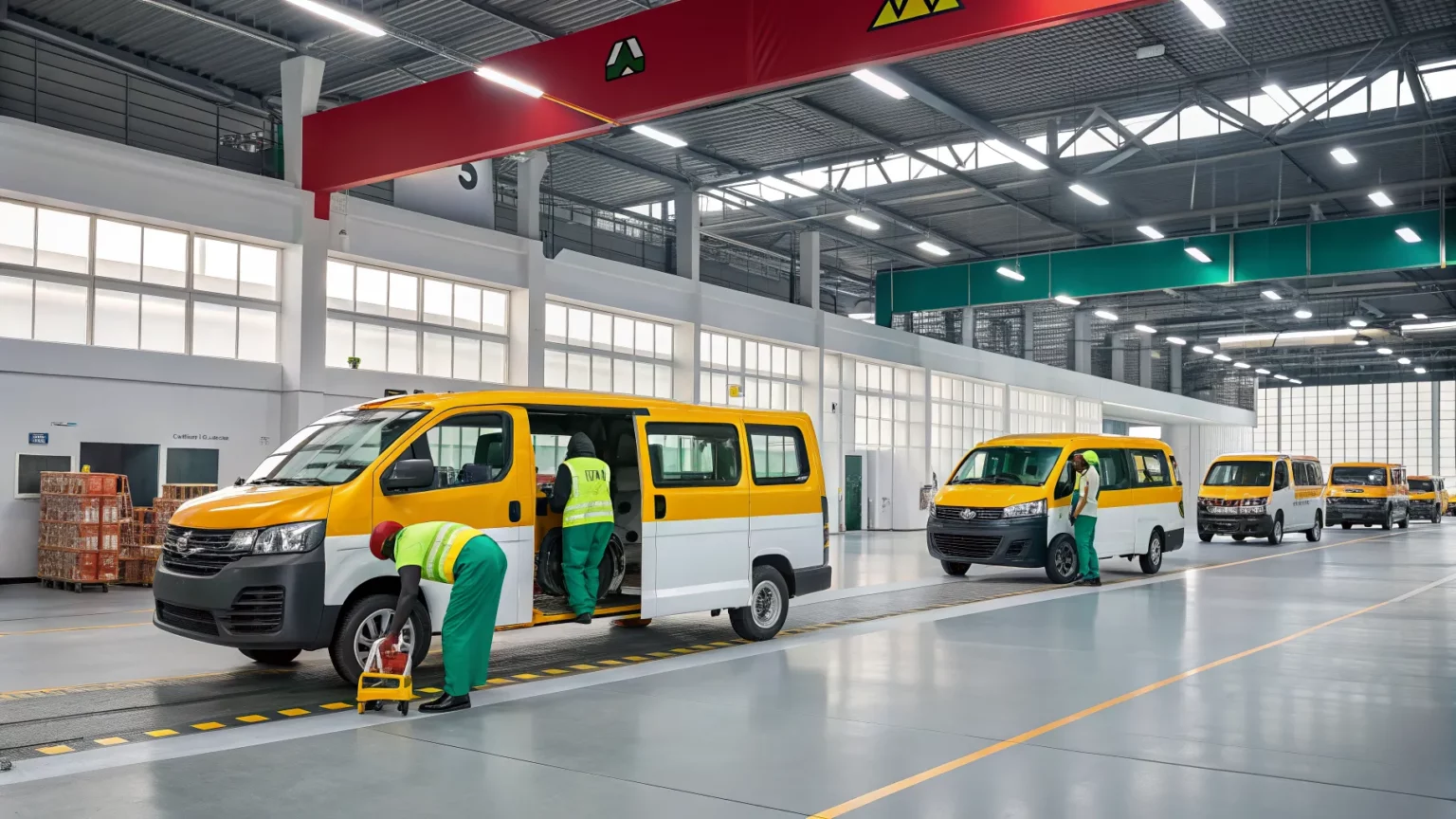
Electric vans and taxis are getting a local passport in Africa as startups move assembly lines closer to riders and roll out creative financing to cut costs. The push is aimed at speeding up public transport electrification across major cities where fuel prices, air quality, and grid reliability are daily concerns.
The pivot is clear in a simple claim that captures the mood:
“E-mobility companies in Africa are beginning local assembly of electric vans and taxis using Chinese-made kits and innovative financing to spread use of electric public transport across the continent.”
That shift highlights who is involved—homegrown companies working with Chinese suppliers—what they are building—public transport vehicles—where it is taking place—across the continent—and why—scale and cost.
Why Local Assembly Matters
Local assembly can lower import duties and shipping costs while creating jobs. It can also speed up parts availability and service, which drivers value more than glossy features. Knock-down kits from China help companies standardize components while tailoring vehicles for African roads, routes, and climate.
Operators in minibus and taxi cooperatives often maintain tight schedules and tighter margins. A van that sits in a workshop for weeks is a nonstarter. Local plants shorten that downtime. It also builds technical know-how for batteries, motors, and controllers that must handle heat, dust, and heavy urban loads.
Financing That Fits the Route
Buying a new electric van outright can be out of reach for many drivers. That is where “innovative financing” comes in. Firms are testing lease-to-own plans, pay-as-you-drive models, and revenue-sharing tied to daily fares. Some offer bundled packages covering the vehicle, battery, charging access, and maintenance under one monthly fee.
These models try to swap a big upfront payment for predictable operating costs. If electricity is cheaper than diesel per kilometer, drivers can pocket savings. Insurers and lenders are still sorting out risk, but usage data from connected vehicles helps build trust over time.
Public Transport First, Then Everything Else
Targeting vans and taxis first is a practical bet. These vehicles rack up high mileage on fixed routes, so fuel savings add up fast. They also set the tone for city air quality. One clean bus on a busy corridor can have more impact than a single private car.



City planners often ask where charging will go and who pays. Companies are experimenting with depot charging at night, on-route top-ups, and battery swaps for vehicles that cannot sit idle. Each option has trade-offs on cost, land use, and grid strain.
What Could Slow the Charge
- Power supply: Outages can disrupt depot charging schedules.
- Capital: Local assembly lines require steady investment to scale.
- Policy: Import rules, tax incentives, and safety standards must align.
- Skills: Technicians need training on high-voltage systems and diagnostics.
None of these hurdles are new, but they can stall momentum if not managed early. Companies that plan for weak-grid conditions and build service networks stand a better chance.
Signals to Watch
Procurement by city agencies will be a key signal. A pilot fleet can seed infrastructure and data for larger rollouts. Partnerships with utility companies could also make or break charging plans. If utilities offer off-peak tariffs or priority connections for depots, costs fall fast.
Another sign is the resale market. If used electric vans find buyers at fair prices, financing costs drop and new sales rise. Warranty terms, battery health tracking, and transparent service histories will matter here.
The Bigger Picture
Local assembly using Chinese kits shows a pragmatic approach. It blends proven parts with local needs and speed. The financing twist lowers the barrier for drivers who move millions of riders each day.
The strategy is not flashy. It is steady and route-driven. If it scales, riders will notice cleaner air and quieter commutes before they ever peek under a hood.
The coming year will test whether these companies can expand from dozens of vehicles to thousands without losing service quality. Watch for more depot deals, more driver-friendly leases, and more public routes going electric—one van, one fare, one charge at a time.