



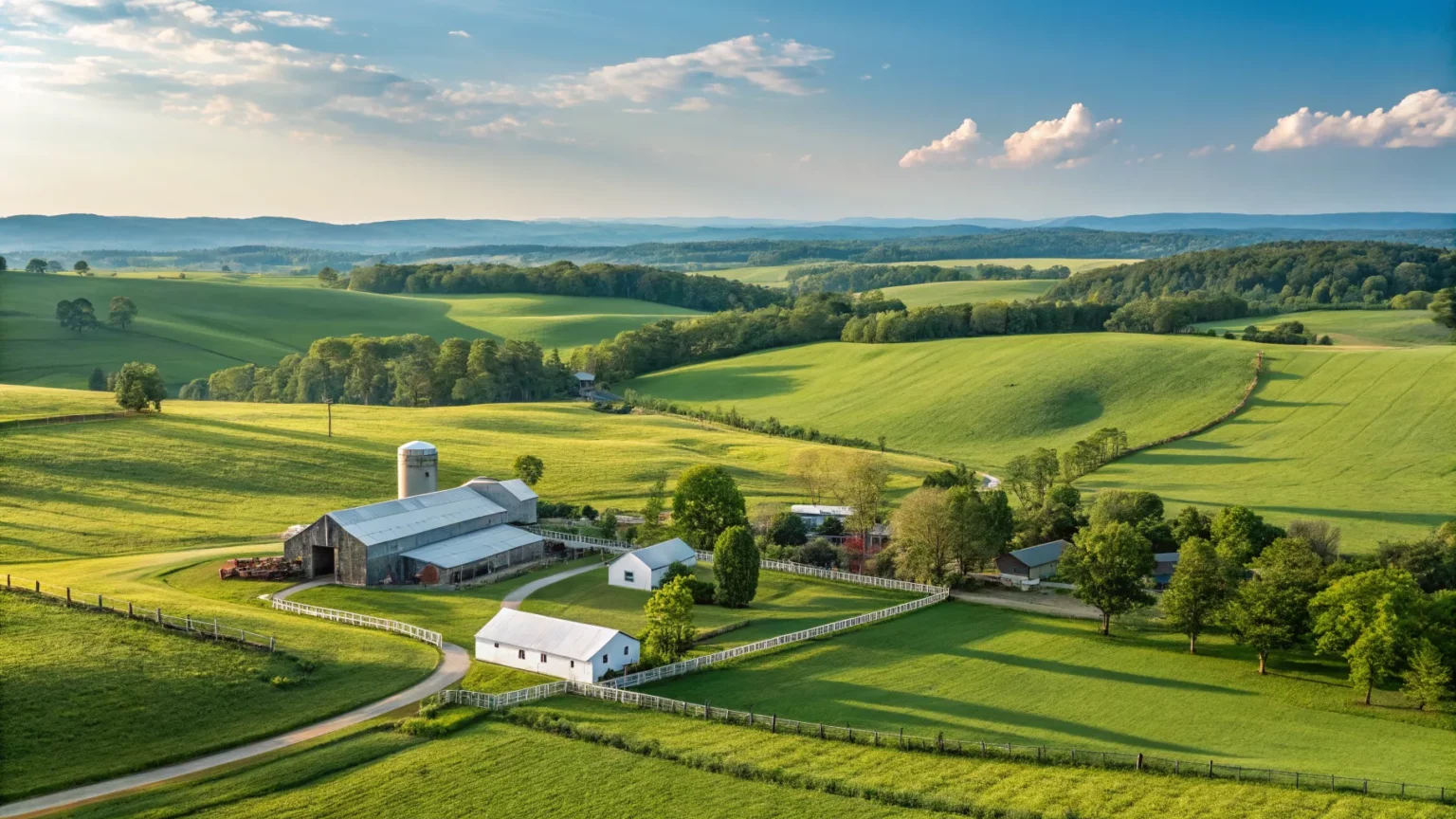
An offer of $26 million from a “major artificial intelligence company” to purchase a Kentucky farm has stirred fresh debate over how far tech expansion should reach into rural land. The reported bid, aimed at building a data center on private property, highlights the soaring value of sites with power access and permissive zoning as AI demand drives a surge in new facilities.
Details of the proposal remain limited, including the identity of the company and the precise location. Yet the claim, shared by women who say they own the land, reflects a wider trend across the Midwest and South, where large plots near transmission lines and highways have attracted major buyers. The timing aligns with a national build-out of computing capacity that has intensified in the last two years.
“A ‘major artificial intelligence company’ reportedly offered a Kentucky women $26 million to build a data center on their farm.”
Why Rural Land Is in Demand
Data centers need space, reliable power, and ways to keep equipment cool. Rural tracts can check those boxes at a lower price than urban land. They can also face fewer zoning conflicts if sited near industrial corridors. Kentucky offers proximity to major power grids and interstates, and it has marketed itself to large infrastructure projects for years.
Industry researchers say modern facilities can draw tens of megawatts of electricity, with the largest sites using more. Cooling systems may require substantial water or advanced air-cooling designs, depending on climate and engineering. These factors make utility access a deciding factor in site selection.
The AI Build-Out Accelerates
AI training and inference are pushing companies to add capacity fast. Hyperscale campuses are expanding, and new projects have clustered in the middle of the country where land is cheaper. Analysts warn that tight power markets can delay projects, pushing firms to secondary regions where utilities can move faster.
Local officials often court these projects with tax incentives and infrastructure agreements. Supporters point to construction jobs, long-term tax revenue, and the chance to attract suppliers. Critics counter that automation limits permanent jobs, while energy and water needs can strain local systems.
What a $26 Million Offer Signals
Even without a confirmed buyer, the size of the reported offer speaks to rising valuations for strategic land. A family farm with the right substation access and roadway frontage can draw bids that far exceed agricultural use. For landowners, such a proposal may be life-changing. For neighbors, it can signal years of heavy construction, truck traffic, and uncertainty.
- Potential benefits: one-time windfalls to sellers, local tax base growth, infrastructure upgrades.
- Potential costs: noise during construction, higher demand for power and water, questions about viewsheds and property values.
Community Questions and Due Diligence
Residents often ask about noise from backup generators and cooling fans, light pollution, and the frequency of diesel testing. They also want firm numbers on permanent jobs, which can be modest compared to warehouses or factories of similar size.



Environmental advocates press for disclosures on water draw and wastewater management. Planners look at substation capacity, transmission upgrades, and who pays for them. Real estate attorneys urge landowners to vet easements, decommissioning plans, and who is responsible for remediation if a facility is later retired.
Policy And Precedent
Many states, including those in the Ohio Valley, have offered sales tax exemptions on equipment or other incentives to attract data centers. Local governments sometimes negotiate payments tied to capital investment or energy consumption. The terms can shape how much a community gains over time.
Meanwhile, utilities weigh long-term load forecasts. Some are planning new generation or grid upgrades to handle steady demand from AI and cloud services. Others warn that timelines for new lines and plants can stretch for years, introducing risk for both companies and towns counting on near-term openings.
What Happens Next
Without public confirmation from the buyer, the Kentucky offer remains a reported bid. If talks proceed, standard steps would include environmental review, zoning or permitting, and utility interconnection studies. Public hearings could surface more details about design, jobs, and mitigation plans.
For now, the story reflects a broader shift: as AI expands, farmland with the right utilities is turning into prime real estate. Communities weighing these projects will look for clear disclosures on power use, water impacts, and long-term tax benefits. Landowners will weigh the value of a one-time sale against family legacy and agricultural production.
The next few months may bring answers on whether this offer solidifies into a deal. Watch for filings with county planners, utility interconnection queues, and incentive negotiations. Those steps will show whether a reported bid becomes a construction site—or a cautionary tale about the rush to build the next wave of AI infrastructure.