




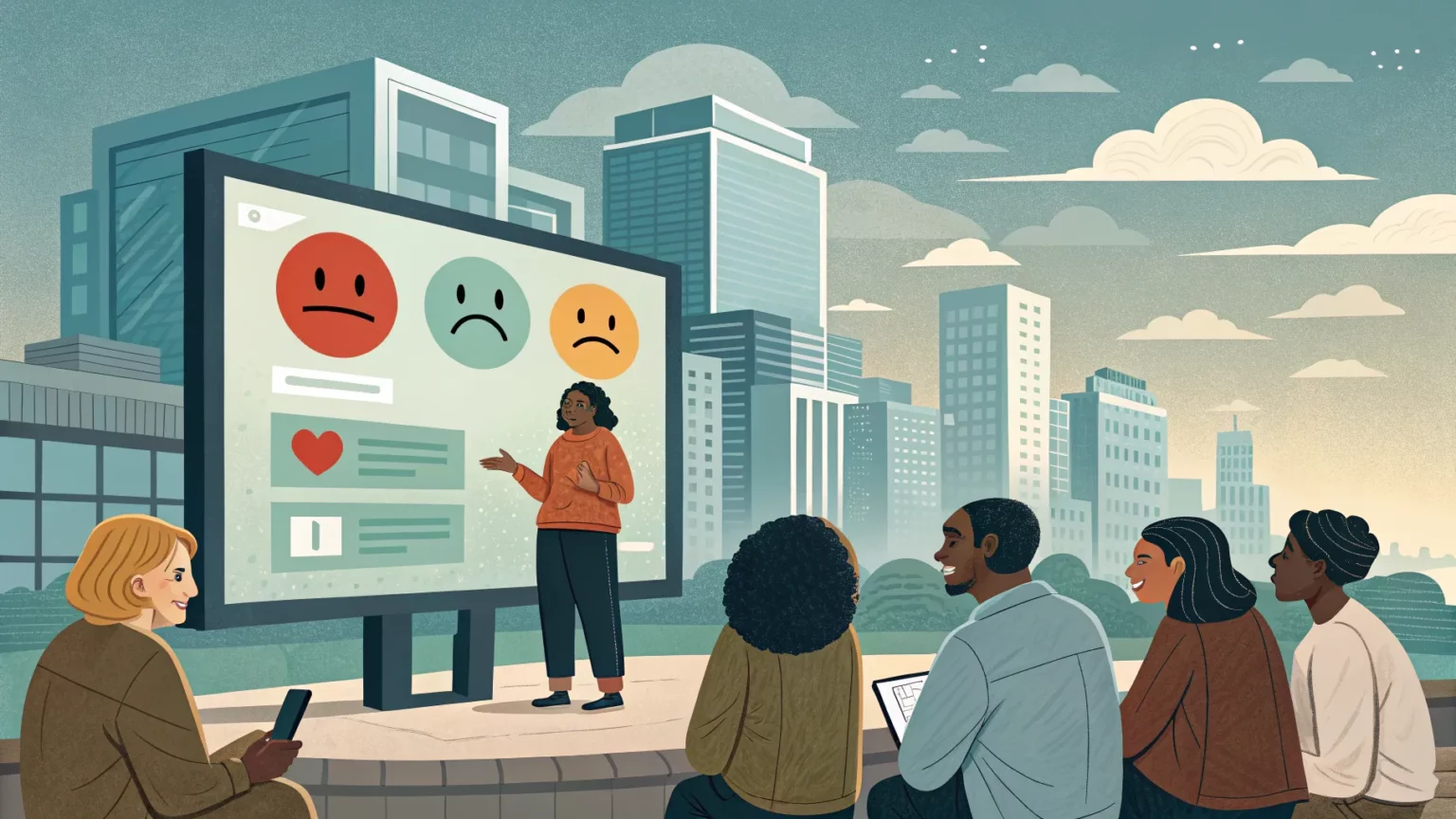
Fresh findings suggest people are swayed by political messages generated by artificial intelligence, a development that could reshape campaigns and civic debate. The results arrive as governments, platforms, and voters weigh the promise and pitfalls of machine-written persuasion in a high-stakes election cycle. Supporters see a chance to reduce hostility and correct misinformation. Critics warn it could intensify echo chambers and scale manipulation with few guardrails.
“New research reveals that people find AI-delivered political arguments convincing. This could help bridge political divides – or fuel polarization.”
What the Study Suggests
The core claim is simple: AI-crafted arguments can move opinions. Unlike traditional ads or op-eds, these messages can be personalized at scale and delivered in instant, conversational formats. Researchers and pollsters have long tested human-written scripts in controlled experiments. Now, similar tests appear to show that machine-generated text can be just as persuasive, and sometimes more consistent, than messages written by volunteers.
AI tools can produce tailored talking points, adjust tone, and address common doubts. That flexibility can help campaigns reach undecided voters or explain complex policies in plain language. It also raises questions about disclosure. Many readers will not know whether a message came from a person, a campaign, or a bot.
Promise for Bridging Divides
Optimists argue that careful design could reduce partisan heat. AI systems can be prompted to avoid insults, highlight shared values, and use evidence-based claims. The same tools can steer conversations away from inflammatory language and toward practical trade-offs.
Some civic groups are testing “dialogue bots” that present both sides of an issue and ask follow-up questions. The goal is to encourage reflection, not to win at any cost. If people engage with respectful, balanced arguments, they may be more open to hearing from those they often tune out.
- Personalized explanations can address specific concerns.
- Neutral tone can lower defensiveness.
- Balanced framing may reduce misperceptions.
Risks of Manipulation and Polarization
The same features that make AI helpful also make it dangerous. Tailoring can turn into microtargeting that plays on fear or prejudice. Bad actors could generate countless variations of a false claim, test which version spreads fastest, and flood feeds before fact-checkers can respond.
There is also the risk of asymmetry. Well-funded groups can deploy high-volume AI messaging while local campaigns rely on volunteers. If one side uses aggressive tactics and the other does not, the incentives tilt toward escalation. Even if messages are accurate, repeated exposure to one viewpoint can harden divides.
Platforms, Policy, and Transparency
Major platforms have begun to label synthetic media and restrict automated accounts, but enforcement is uneven. Disclosure rules vary across countries and states, and many do not address machine-written text directly. Clear standards could help:



- Labels that state when a message is AI-generated.
- Limits on undisclosed bot activity in political outreach.
- Archives of political messages for public review.
- Testing requirements to assess risks before wide release.
Researchers call for data access to study how AI persuasion spreads and which safeguards work. Without independent audits, policymakers are left guessing about the scale of the problem and the impact of proposed fixes.
What Comes Next
Several trends are worth watching. First, language models keep improving, which means more natural and adaptive conversations. Second, campaign tech is getting cheaper, putting advanced tools within reach of small organizations. Third, voters are growing wary of synthetic content, which could lead to backlash if disclosure is poor.
Success may depend on design choices. Systems that prioritize accuracy, cite sources, and present opposing views could build trust. Tools that hide their origin or target users with emotional triggers could erode it. Educators and newsrooms can help by teaching people how to spot AI messaging and check claims.
The new evidence is clear: AI can persuade. Whether it helps people listen to each other or drives them apart will hinge on rules, transparency, and the will to use the technology responsibly. As elections near, the test will be whether leaders, platforms, and citizens can set standards that make political speech clearer, fairer, and less toxic.