




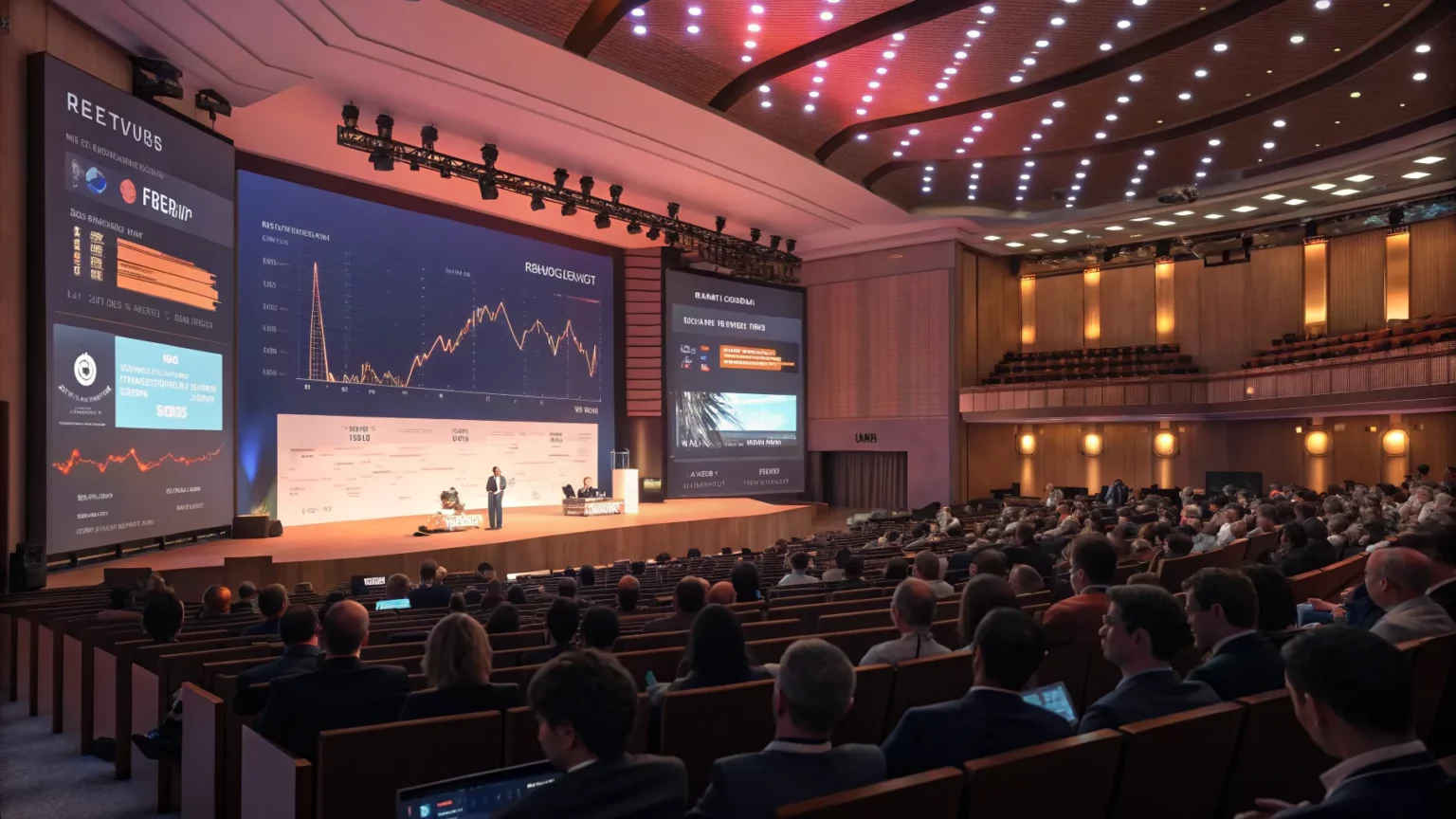
At the Reuters NEXT conference in New York, the central question was not if artificial intelligence will reshape work, but how fast and how far it will go. Panelists weighed the impact on hiring, productivity, and training, while largely setting aside debate over a possible tech bubble. The discussions, held this week, pointed to a near-term shift in job design across sectors and a long-term test for workforce policy.
“The transformative effects of artificial intelligence dominated discussions at the Reuters NEXT conference in New York, with panelists concentrating on how it may upend work – and job growth – sidestepping concerns about an AI bubble.”
Why Work Is the Flashpoint
AI is moving from pilot projects into daily operations. Companies are automating routine tasks, assisting knowledge workers, and speeding software development. That change is already reshaping job descriptions. Roles that rely on pattern recognition or repetitive content creation are under pressure, while new roles in oversight and integration are opening.
The stakes are high. The International Monetary Fund has estimated that AI could affect about 40% of jobs worldwide, with higher exposure in advanced economies. Goldman Sachs has suggested that up to 300 million full-time positions could face automation exposure, though many tasks within those jobs may be augmented rather than removed. The World Economic Forum has forecast a net loss of 14 million jobs by 2027, as some roles vanish and others grow.
The Jobs Debate: Displacement vs. Creation
Speakers described a split picture. Some tasks will disappear; others will be redefined. New roles in data stewardship, AI auditing, and prompt design are emerging, but may not fully offset losses in clerical and low-level support roles.
Panelists emphasized that the speed of adoption matters. Rapid rollout without training could amplify displacement. A more gradual approach, paired with reskilling, could shift the balance toward job creation.
- Short term: higher risk to routine and entry-level tasks.
- Medium term: demand rises for workers who can manage AI systems.
- Long term: net impact depends on training, policy, and productivity gains.
Productivity Hopes, Training Gaps
Many executives at the event framed AI as a productivity tool. Early studies show time savings for tasks like summarizing text, writing code, and handling support tickets. If those gains scale, companies may grow output with fewer new hires. That could slow headcount growth even if layoffs remain limited.
The training gap looms large. Reskilling programs often lag behind AI rollouts. Community colleges, boot camps, and corporate academies can help, but the pace is uneven. Small and midsize firms face the steepest learning curve, especially where budgets and in-house expertise are thin.
Bubble Talk, Market Reality
The conference largely sidelined bubble worries. Valuations in key suppliers have soared, and venture funding continues to chase AI infrastructure and applications. Panelists focused instead on execution risks: data quality, security, and model accuracy. Those near-term hurdles can delay returns even when demand is strong.



A true bubble would hinge on revenue failing to meet lofty expectations. For now, enterprise demand for productivity tools, copilots, and automation remains strong. The risk sits in projects that lack clear use cases or metrics. Spend without measurable outcomes could force a reset later.
Policy, Equity, and the Human Factor
The social effects were a recurring theme. Without safeguards, AI could widen wage gaps. Workers who can pair domain knowledge with AI tools may gain, while others fall behind. Panelists pressed for protections against biased models and for clearer rules on transparency and accountability.
Governments are stepping in. Draft rules in multiple regions call for risk audits and disclosures. Public funds for training could cushion shocks if they reach at-risk workers early. The timing of these measures will shape how rough the transition becomes.
What to Watch Next
Attendees pointed to three markers for the next year: hard data on productivity, hiring plans in back-office functions, and the reach of new regulations. Enterprise case studies will show whether pilots translate into real gains. Hiring signals will reveal if augmentation is replacing entry-level pipelines. Rulemaking will set the floor for safety and the ceiling for speed.
The core message from New York was practical and urgent. AI is changing work now. Companies that pair deployment with training may see steady gains and fewer shocks. Those that rush in without a plan risk backlash and wasted spend. The next phase will be judged not by hype cycles, but by measurable outcomes, worker transition paths, and who benefits from the productivity on offer.