




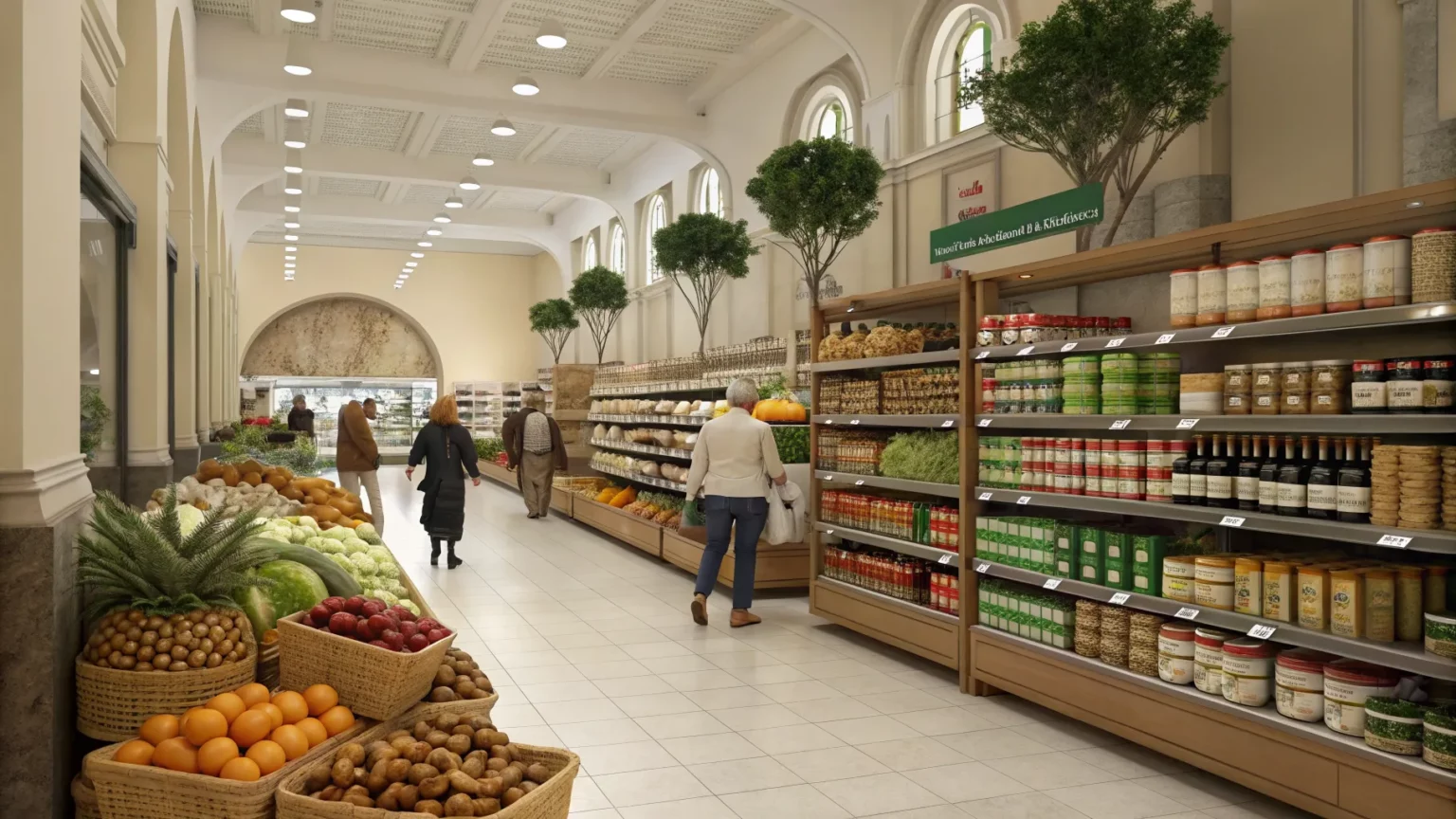
The Prime Minister moved to calm shoppers as reports of panic buying and empty shelves spread, stating the nation’s supply remains secure. Anthony Albanese addressed concerns that essentials could run short, urging people to shop responsibly and avoid stockpiling. The message came as some retailers reported higher demand and intermittent gaps, raising questions about whether the system can keep up.
Albanese’s reassurance sought to steady consumer confidence and prevent a feedback loop that can turn fear into real shortages. While store-level gaps may appear, he signaled that wholesale supply and freight are functioning and that inventories can be replenished.
Government Message and Shopper Anxiety
Officials emphasized that temporary gaps on shelves often reflect demand spikes rather than a break in production or transport. Albanese put it plainly:
“The nation’s supply remains secure.”
That statement aims to cool a cycle familiar from earlier crises, when fear of missing out drove people to buy more than they needed. Retailers commonly respond with limits on select items, more frequent deliveries, and targeted restocking at high-traffic stores to keep goods moving.
Why Shoppers Are Stocking Up
Sudden surges in demand can start with images of depleted aisles shared online. Even if total supply is steady, those images create pressure at local stores. Analysts often point to three drivers: concern about access, mistrust of official messages, and the desire to minimize extra trips if uncertainty grows.
During past spikes, major chains filled most gaps within days as warehouses redirected inventory. Transport links and supplier contracts typically keep core goods flowing. When shoppers return to normal buying patterns, shelves stabilize faster.
How the Supply Chain Handles Spikes
Grocery and general goods move through predictable cycles. Suppliers plan for weekly demand, seasonal peaks, and special events. When demand jumps, companies switch to high-turn items, add shifts, and prioritize essential products for delivery.
Short-term strain is most visible in popular categories. Cleaning products, canned foods, long-life milk, and paper goods usually feel the first hit because they are easy to store at home. Once those items are restocked, sales often settle.
Retailers’ Playbook For Stability
Stores and distributors rely on a set of practical steps when demand runs hot:
- Place temporary limits on select items to spread supply across more customers.
- Advance deliveries and adjust routes to high-demand suburbs.
- Prioritize core sizes and packaging to speed production and packing.
These moves do not signal a shortage in the broader system. They are designed to keep goods circulating while demand normalizes.
Balancing Reassurance With Transparency
Clear, consistent communication can help reduce overbuying. Shoppers want to know what is available and when it will return if it is out. Officials and retailers often publish updates on delivery times and any purchasing limits. Albanese’s statement fits this approach, offering a simple message while the system works through a surge.
Consumer advocates say honest updates, even about delays, help prevent panic. When people trust that more stock is coming, they are less likely to clear shelves in a single visit.
What To Watch Next
Key signals in the days ahead include the speed of restocking, the duration of any purchase limits, and price stability. If deliveries remain steady and shelf gaps narrow, anxiety should ease. If limits expand across categories for a long stretch, that could point to prolonged pressure.
For now, the Prime Minister’s view is that the national system is sound. Shoppers can help by buying at normal levels and leaving enough for others. Retailers will keep redirecting stock where it is most needed, while officials monitor freight, fuel availability, and production schedules.
Albanese’s message is simple: the supply base is intact, and the quickest way to keep shelves full is for everyone to take only what they need. The coming week will show whether reassurance and routine restocking can outpace fear.