





As the war in Iran enters its fifth week, Amazon said it will add a 3.5% fuel and logistics surcharge for third-party sellers in the United States and Canada. The move, announced amid rising uncertainty in energy and shipping markets, affects millions of marketplace listings and could ripple through online prices as early as this month.
The company framed the fee as a response to higher operating costs tied to transport and delivery. Third-party sellers provide more than half of the items sold on the platform, so any new charge can quickly influence pricing, margins, and consumer demand across categories.
Economic Shock and Corporate Response
Periods of geopolitical tension often drive up fuel and freight expenses. When oil markets tighten, carriers and retailers face higher bills for everything from line-haul trucking to last-mile delivery. Large platforms sometimes use temporary surcharges to pass on part of those costs rather than raising base fees across the board.
Amazon’s statement was blunt about the mechanism:
“[Amazon is] adding a 3.5% fuel and logistics surcharge for third-party sellers in the U.S. and Canada.”
While the company did not disclose how long the charge will remain in place, similar add-ons in past disruptions have lasted until energy markets stabilized. The timing suggests the surcharge is linked to war-related cost pressures, though actual fuel price movements and shipping capacity will determine its duration.
What the Surcharge Means for Sellers
The 3.5% add-on applies to sellers who already pay referral and fulfillment fees, compressing margins on each sale. For low-margin goods, even a small percentage can force a choice between price increases and reduced profit.
- Small brands may raise list prices to offset the fee.
- Larger sellers could absorb some costs to keep share.
- Heavier or bulky items may feel greater pressure due to higher handling costs.
Some merchants could shift inventory to cheaper shipping methods, which may slow delivery times. Others might pause ads or promotions to protect margins, affecting visibility in search and sales velocity. A handful may explore other channels, but switching platforms carries its own costs and risks.
Potential Impact on Shoppers
Consumers may see modest price increases on everyday goods, especially items that are costly to ship. The effect will not be uniform. Categories with intense competition could see little change as sellers fight to hold the Buy Box. Niche and specialty items, where fewer sellers compete, could see quicker price adjustments.


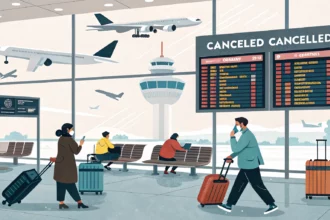
If sellers pull back on fast-shipping options to save money, delivery estimates could stretch. However, the platform has a strong incentive to keep speed and reliability high, which could limit service changes visible to shoppers.
Industry Reactions and Next Steps
Analysts will watch whether rival marketplaces mirror the move. If other major retailers add similar surcharges, sellers will have fewer alternatives. If competitors hold fees steady, they could lure cost-sensitive merchants, at least in the short term.
Historically, fuel-linked fees tend to fade once costs recede. The key variables now are the course of the conflict, energy supply routes, and freight capacity. Any quick easing in oil prices could loosen the pressure and shorten the life of the surcharge.
For sellers, the best responses are tactical: monitor unit economics, test modest price changes, adjust ad spend, and review packaging to trim weight and size. Diversifying carriers or fulfillment options where possible can also help blunt cost spikes.
What to Watch
Several signals will show how this develops:
- Trends in benchmark oil prices and diesel costs.
- Changes in parcel and freight carrier fees.
- Seller migration across platforms or fulfillment models.
- Average selling prices in shipping-heavy categories.
If costs stabilize, pressure for a continued add-on will weaken. If volatility persists, more targeted fee changes could follow, such as weight-based adjustments or category-specific policies.
Amazon’s 3.5% surcharge is a clear sign of stress in transport and delivery. The near-term effect will be felt most by small and mid-sized merchants running thin margins. Shoppers may see selective price bumps and occasional delivery trade-offs. The long-term impact hinges on energy markets and the duration of the conflict. For now, sellers and consumers should expect a period of adjustment and closely track how pricing and service levels respond.