




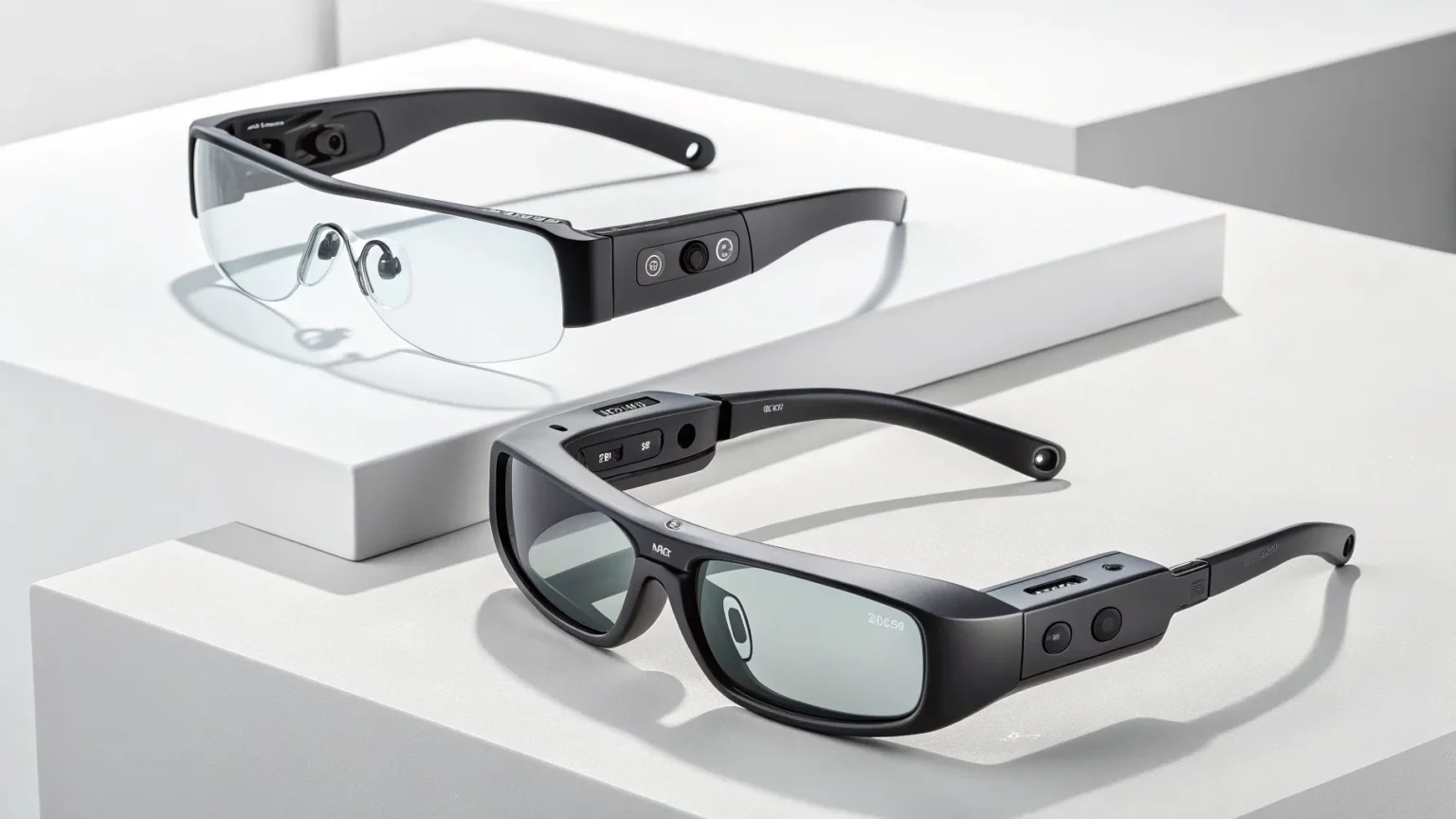
Amazon is developing two pairs of smart glasses, one designed for delivery drivers and another aimed at consumers, with both expected within the next two years. The move signals a push to bring hands-free computing to frontline work and to the broader market as the company looks to streamline logistics and expand its wearable tech efforts.
Amazon is creating a pair of smart glasses for delivery drivers and another for the general public. Both frames are reportedly scheduled for release within the next two years.
Background: A New Bet In Wearables
Amazon has experimented with eyewear before. Its Echo Frames, which placed Alexa into everyday glasses, targeted voice assistants and notifications rather than visual overlays. The new effort appears more task-focused for workers and more mainstream for shoppers.
Wearable glasses have had a mixed past. Google halted most consumer features of Google Glass years ago after privacy concerns and limited adoption. Meta has leaned on Ray-Ban partnerships for camera-enabled glasses that emphasize recording, calls, and notifications. Snap tried Spectacles for creators with small-scale results.
The delivery market has also changed. E-commerce growth, tight delivery windows, and rising costs have pushed companies to test tools that aid navigation, scanning, and proof-of-delivery. Hands-free devices could cut seconds from each stop, which adds up across routes.
What Workplace Glasses Could Offer
While Amazon has not detailed features, worker-focused glasses typically aim to reduce distraction and free up hands. They could display turn-by-turn directions, confirm package IDs, or prompt hazard checks without forcing drivers to look down at handheld devices.
For a large delivery network, even small gains matter. Faster scanning, fewer errors, and clearer routing can improve delivery times and reduce reattempts. Onboard cameras and microphones, if included, could support training and incident documentation, though that raises oversight and privacy questions.
- Potential uses: navigation, package verification, photo proof-of-delivery.
- Possible benefits: fewer missed scans, quicker stops, safer driving.
- Key risks: distraction, data collection, worker monitoring.
Consumer Glasses: Competing For Everyday Use
The consumer pair would face stiff competition from products that already link to smartphones for calls, music, and photos. Success may depend on comfort, battery life, and clear use cases. Lightweight frames that handle notifications, voice control, and basic camera features have found some buyers, but mass adoption remains uncertain.
Price and privacy will be decisive. Consumers often balk at premium prices for incremental features. Visible cameras can also spark concerns in public spaces. Clear indicators, strong data protections, and opt-in controls could shape acceptance.

Privacy, Safety, and Labor Concerns
Smart glasses in delivery trucks raise safety questions. Heads-up prompts must avoid distraction and comply with road rules. If the devices capture audio or video, companies will need strict policies for storage and access, with transparent limits on surveillance.
Worker advocates often warn that constant tracking can raise stress and penalize minor delays. If glasses monitor eye movement or attention, that could heighten scrutiny. Clear guidelines, the option to disable features when off duty, and consultation with drivers will be important.
What Success Would Look Like
Adoption will hinge on comfort, reliability, and software quality. Glasses should work in heat, rain, and low light, and handle long shifts without frequent charging. Integration with routing tools, barcode systems, and customer apps will be vital.
For consumers, style matters as much as tech. Subtle designs that fit prescription lenses and offer multi-day battery life can reduce friction. Useful features must work fast and offline when needed.
Timeline and What To Watch
With a two-year window, the company has time to run pilots with drivers and gather feedback. Field testing can expose issues with glare, latency, and durability. Expect incremental rollouts, starting with small regions or contract carriers.
Key signals to track include developer support, integration with existing logistics software, and commitments on data handling. Battery life, camera indicators, and pricing will hint at where the devices sit on the spectrum between tool and lifestyle product.
Amazon’s two-pronged approach reflects a broader push to bring wearables into daily work and daily life. If the glasses lighten the load for drivers and win over consumers on privacy and comfort, they could find a real foothold. The next two years will show whether smart eyewear can move from niche accessory to practical gear in delivery routes and on city streets.