




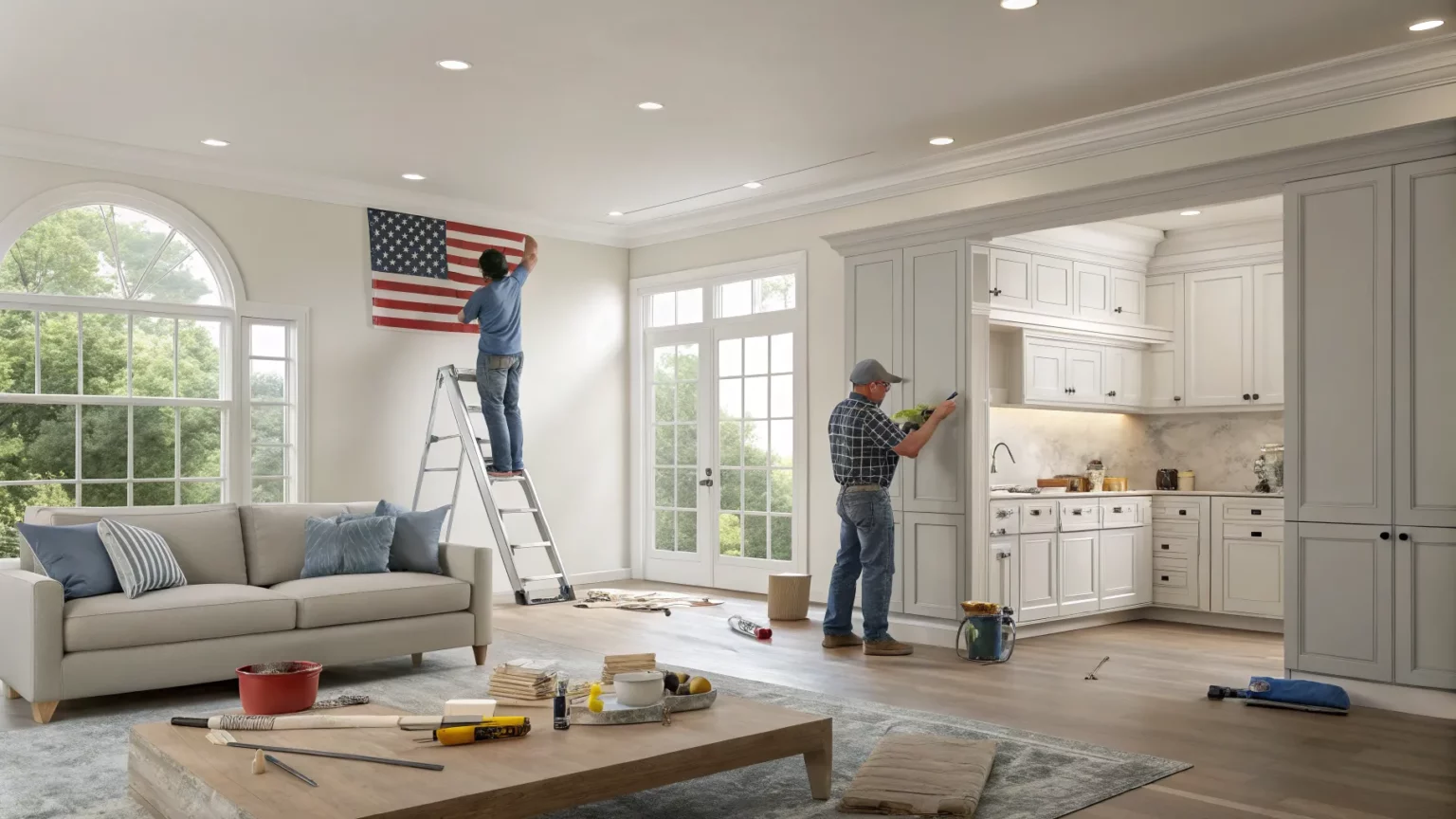
As lockdown life stretched on, Americans reached for their wallets to make home feel new again, snapping up office gear and jumping into renovation projects at a brisk clip.
The trend, described by personal finance journalist Ben Moore of NerdWallet, reflects a surge in spending on desks, chairs, and home improvements as people adjusted to long periods indoors. The rush promises comfort, but it also risks debt, delays, and buyer’s remorse if costs spiral or gear goes unused.
Why Homes Became the New Project
With commutes canceled and spare rooms suddenly critical, households turned to quick fixes and long-postponed remodels. Moore summed up the moment this way:
“As many Americans face months on end stuck indoors, some are using their time (and money) to create a change of scenery or upgrade their surroundings. Office equipment purchases are on the rise, and people are tackling more renovation projects than usual.”
The shift tracks with what retailers and contractors reported during the pandemic period: demand for practical upgrades that make working, studying, and relaxing at home easier. While the spending offered a mood boost, it also tested budgets already stretched by job changes and uncertainty.
The Cost of Comfort
New desks and ergonomic chairs helped workers avoid aches. Larger projects, like converting a bedroom into an office or updating a kitchen, required bigger checks and more planning. Moore warned that “expensive new” purchases and remodels can trigger ripple effects, from credit card interest to unplanned repair costs if something breaks or arrives late.
Contractor availability and shipping delays added friction. A misordered part or a backordered appliance could stall a remodel and inflate expenses. For many households, the question shifted from “Do we want it?” to “Can we carry it without hurting our savings?”
Winners, Losers, and the Middle Ground
Some buyers found clear wins: a quieter workspace, a chair that saved their back, or a small paint job that refreshed a room. Others hit snags, like gear that didn’t fit the space, flimsy furniture, or tools they used only once. Moore’s caution about high-priced purchases points to a simple test: will the item pay off in daily comfort or productivity, or is it a short-lived impulse buy?
Financial planners often suggest setting a ceiling for home-related spending and ranking projects by need. Office basics with daily use often sit at the top. Cosmetic changes with low impact drift to the bottom.



What Smart Spenders Are Doing
- Testing before buying when possible, especially chairs and monitors.
- Pricing materials across multiple retailers and checking return policies.
- Breaking big remodels into phases to avoid large debt.
- Keeping a contingency fund for surprise repairs or delays.
- Tracking total project costs, not just sticker prices.
Short-Term Gains, Long-Term Habits
This wave of home spending also revealed how quickly households can shift priorities. A back-ordered desk today becomes a budget habit tomorrow. People who tracked costs, compared options, and set limits often reported fewer regrets and more useful spaces.
Moore’s reporting hints at a broader lesson: upgrades work best when they solve a daily problem. A sturdier chair, better lighting, or a sound-dampening rug can beat a flashy purchase that gathers dust.
What To Watch Next
As work patterns settle into hybrid routines, home offices are likely to stick around. That could sustain demand for equipment replacements and small improvements rather than large, one-time overhauls. Households may swap the sprint for a steady jog, replacing gear as needs evolve.
Retailers, meanwhile, may lean into flexible return windows, bundled deals, and sturdier mid-price items. Contractors could see steadier, smaller jobs as people refine their spaces instead of gutting them.
For now, the takeaway is simple. The urge to improve is here, and it can be worth it. But the best upgrades start with a plan, end under budget, and make every day a little easier.