




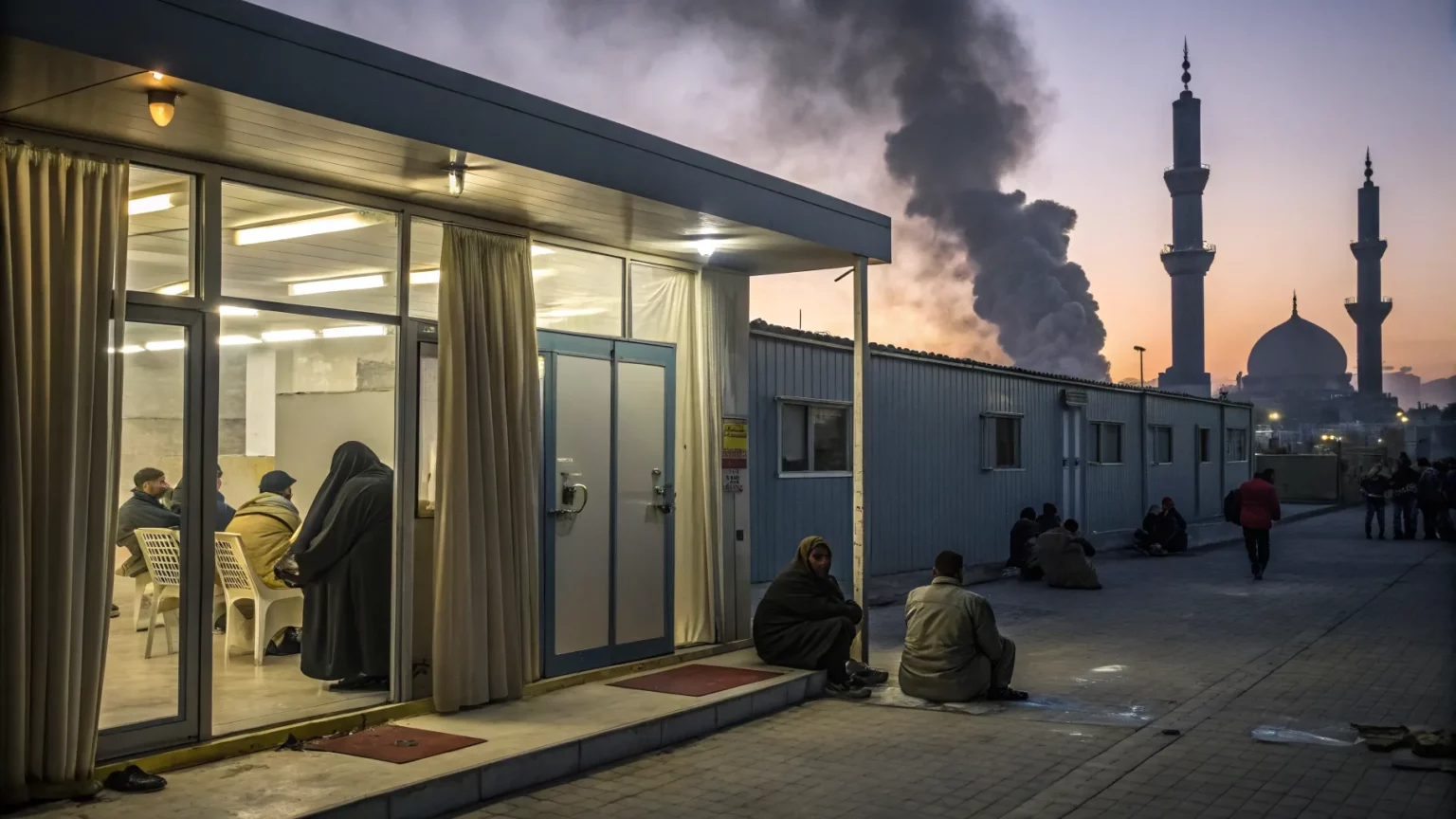
Americans in parts of the Middle East were urged to shelter in place after strikes hit Iranian cities, including Tehran, in an operation linked to the United States and Israel. The advisory covers Iran, Qatar, and the United Arab Emirates, according to initial guidance shared with U.S. citizens in the region. The alert signals fast-moving tensions with direct effects on travelers, expatriates, and regional businesses.
“Americans are being told to shelter in place in Middle Eastern countries including Iran, Qatar, and the UAE after the US and Israel struck Iranian cities including the capital, Tehran.”
What Happened
Security alerts advised Americans to limit movement and seek safe shelter across several countries. The guidance followed reports of strikes on Iranian cities, including the capital. Officials often issue such advisories when there is a risk of retaliation or unrest. The message urged caution as events unfolded and authorities assessed threats to public areas and transit hubs.
Where Advisories Apply
The alert named three locations: Iran, Qatar, and the United Arab Emirates. Each country hosts significant international travel and business activity. The mix of diplomatic, commercial, and transit links means any disruption can ripple out quickly.
- Iran: High likelihood of security checks, curfews, or restricted movement.
- Qatar: Major air hub with large expat communities that may face transport delays.
- UAE: Key financial and travel center where public events and routes may be curtailed.
Context And Rising Risk
Shelter-in-place advisories are a common first step in fast-changing security situations. They direct individuals to stay indoors, avoid large gatherings, and wait for further instructions. Such alerts often follow military activity or threats of retaliation. The named countries sit near vital sea lanes and air corridors that connect Asia, Europe, and Africa.
Past regional flare-ups have led to tighter airport screening, flight diversions, and brief closures of public sites. Businesses with staff in the Gulf typically activate continuity plans that include check-ins, secure transport, and remote work. Expatriates may face short-notice changes to visas, school schedules, and medical appointments.
Immediate Implications
The guidance affects a wide group: tourists, airline crews, energy workers, educators, and families. Companies with teams in Doha, Dubai, Abu Dhabi, and other hubs may restrict nonessential travel. Schools and community groups often mirror embassy guidance during high alerts.
Analysts will watch for changes in commercial air routes and insurance costs for travel and shipping. Even a brief increase in risk can prompt carriers to adjust schedules. Trade-sensitive sectors may see delays as firms wait for clearer security signals.
Voices And Reactions
The core message is simple: reduce movement now and monitor official updates. The quoted advisory, shared with Americans in the region, stressed the need for immediate caution. Security consultants often recommend a low profile, planned shelter locations, and backup communications when tensions rise.



Community leaders usually remind travelers to keep documents handy and to maintain contact with friends and employers. Hotels and residential towers may also step up checks and limit access to common areas.
Travel And Safety Guidance
While details can change quickly, general steps remain consistent when shelter-in-place alerts are issued:
- Stay indoors away from windows and avoid crowds.
- Keep devices charged and follow official alerts.
- Stock water, food, and essential medications.
- Confirm meeting points and backup routes if movement becomes necessary.
- Delay nonessential travel until security conditions stabilize.
What To Watch Next
Key indicators include the duration of the shelter-in-place guidance, any curfews or movement limits, and signals from airports and major carriers. Markets may react to perceived risk, and insurers could adjust coverage terms. Diplomatic channels may seek to lower tensions, while security services weigh further protective measures.
The alert for Americans in Iran, Qatar, and the UAE marks a tense moment with direct, practical effects on daily life. The immediate priority is safety and clear communication. The coming days will show whether restrictions ease or intensify, how airlines and businesses adapt, and whether regional leaders move to contain the fallout. For now, those on the ground are advised to stay put, stay informed, and wait for the next update.