




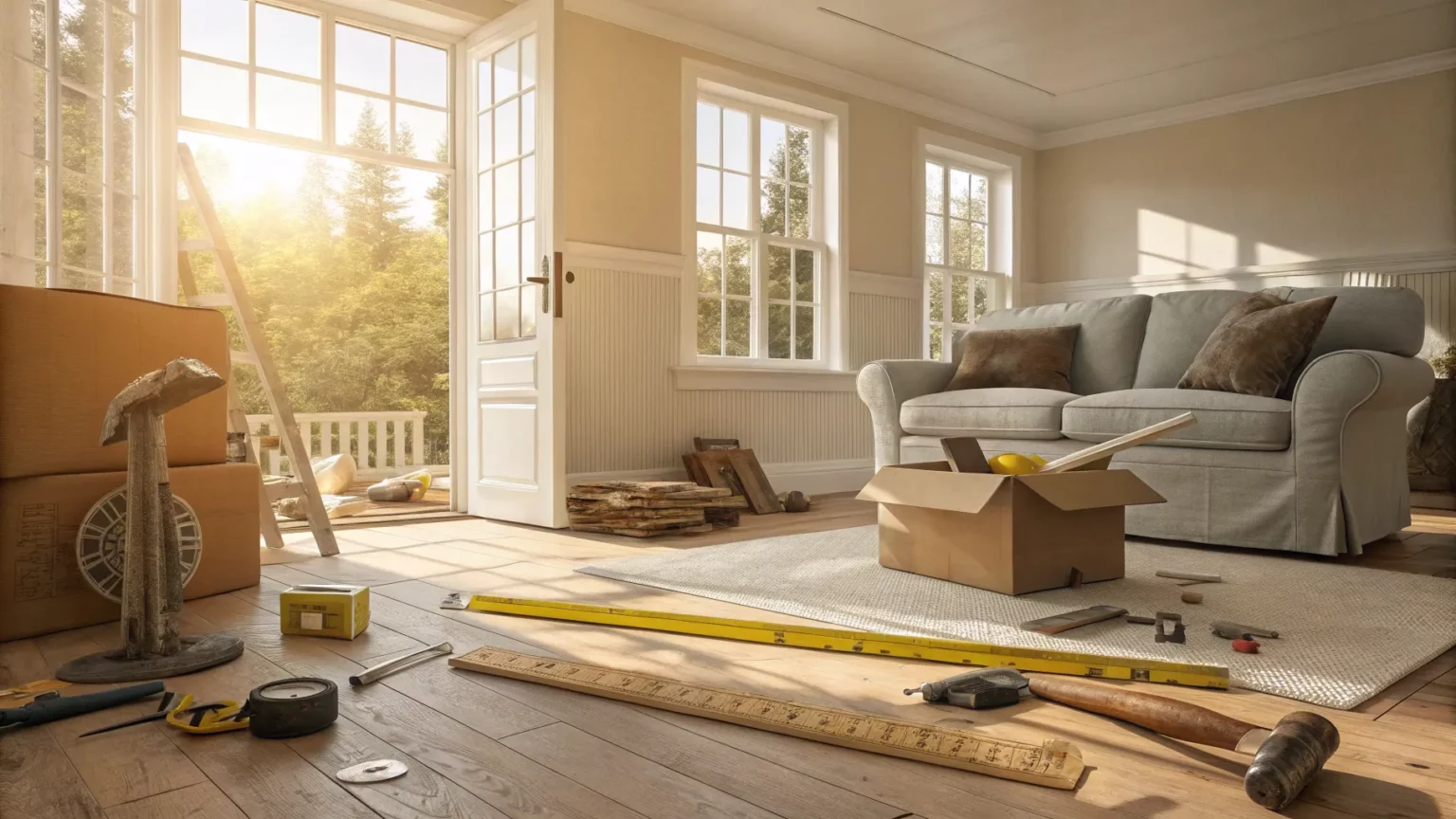
Stuck inside for months, many Americans turned to their homes for change and comfort, buying office gear and starting projects that had long sat on the back burner.
As remote work spread and routines shrank to a few rooms, people spent more on desks, chairs, and screens. They also painted, patched, and remodeled. The push, described by personal finance writer Ben Moore of NerdWallet, has mixed benefits for wallets and well-being.
Why Spending Shifted Home
Living and working in the same space nudged families to rethink what “home” should do. Spare bedrooms became offices. Kitchen tables doubled as classrooms. Backyard corners became gyms.
Moore summed up the mood:
“Many Americans face months on end stuck indoors,” he said. “Some are using their time (and money) to create a change of scenery or upgrade their surroundings.”
That urge was practical and emotional. Better chairs reduced aches. Fresh paint lifted moods. For many, money previously spent on travel and dining shifted to tools, chairs, and lumber.
From Desks to Drywall
Office equipment led early purchases as remote work surged. Ergonomic chairs, larger monitors, and proper lighting topped wish lists. Later, do-it-yourself projects grew: simple fixes, new storage, and small bath or kitchen updates.
Moore noted a surge in work-related buys and renovation plans.
“Office equipment purchases are on the rise, and people are tackling more renovation projects than usual. But expensive new …”
His unfinished warning hints at the trap many face: spending big without a plan. A sleek desk or a quartz countertop can brighten a room. It can also strain a budget if borrowed money or high-interest cards cover the bill.



The Money Math Behind Makeovers
Home upgrades can pay off if they solve daily problems or add value. But not every project returns the cost. Quick wins often come from modest updates: lighting, paint, weatherproofing, and storage.
Experts suggest focusing on comfort and safety first. Air quality, sound control, and posture at a desk can change daily life more than trendy finishes.
- Set a clear budget and stick to it.
- Price materials across multiple stores.
- Start with small projects before tackling major work.
- Use cash when possible to avoid interest.
- Prioritize items that ease work-from-home strain.
Balancing Wants and Needs
Moore’s caution is timely. An “upgrade” feels good now, but payments linger. A better approach is to buy what you use eight hours a day and postpone what looks nice but can wait.
Some consumers reported buyer’s remorse after impulse purchases. Others said a better chair, a second monitor, or a brighter lamp changed their workdays for the better. That split shows the importance of planning and testing before buying.
What Comes Next
As employers shift policies, homes may keep serving as hybrid work hubs. Spending could move from big remodels to maintenance, organization, and adaptable furniture.
Retailers that thrived on remote work demand may see steadier, smaller orders. Service providers—electricians, carpenters, and handymen—could benefit as people call in pros to fix rushed DIY efforts.
For households, the playbook is simple: choose upgrades that meet daily needs, avoid high-interest debt, and keep an emergency cushion intact. A comfortable, efficient home office is an investment in health and productivity.
The takeaway is clear. Smart, measured changes can make staying in feel better without putting finances at risk. Watch prices, plan projects, and let function lead design as the home continues to carry more weight.