




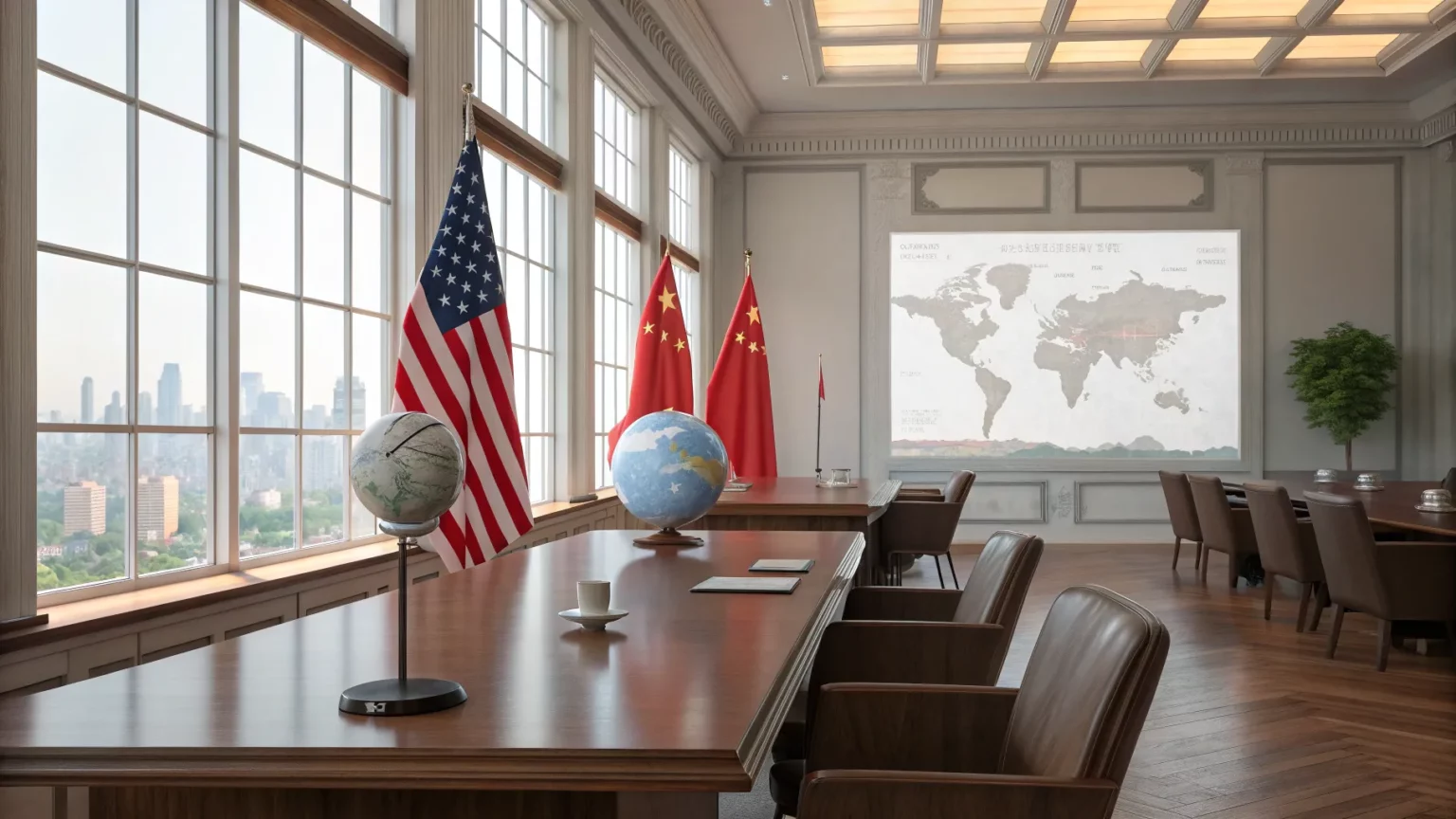
Analysts say the trade truce between the United States and China is likely to hold in the coming weeks, as Beijing weighs the risks of fresh tensions and a leaders’ meeting looms in April. The view hinges on a simple calculation: step back now, avoid escalation, and wait to see whether President Donald Trump follows through on new threats. The stakes are high for both economies and for global markets that have learned to price in periodic trade shocks.
“Analysts expect the U.S.-China trade truce to hold as Beijing bets Trump won’t follow through on his threats ahead of a leaders’ meeting in April.”
The current calm follows years of tariffs, export limits, and political strains that began in 2018. After tit-for-tat duties on hundreds of billions of dollars in goods, both sides struck a “phase one” deal in early 2020 to pause new measures and lift some barriers. Friction later shifted into technology, investment screening, and supply chain security. Despite pressure, cross-border trade and corporate ties have endured, even as both governments work to reduce strategic dependencies.
What Is at Stake
Holding the truce protects a fragile equilibrium. Companies have set prices and inventories around existing duties and controls. Any sudden move could disrupt deliveries, unsettle commodity markets, and force producers to re-route orders.
Farm exports, electronics, autos, and machinery remain sensitive. A tariff hike or new blacklist could hit margins and employment on short notice. Investors remember late 2018 and mid-2019, when tweets and statements briefly rattled equities and currencies.
Why Beijing May Wait
The expectation that Beijing will hold fire rests on timing and incentives. Officials have signaled a focus on stabilizing growth, property markets, and local finance. A fresh trade fight would distract and could weaken confidence at home.
Waiting also serves a tactical aim. If Washington’s threats are not executed, China avoids giving concessions under pressure. If they are, Beijing can calibrate a response to the actual measures rather than to rhetoric.
- Domestic priorities favor stability over confrontation.
- Markets respond better to predictability, which supports growth.
- Retaining flexibility helps shape a measured response if needed.
Signals From Washington
In Washington, pressure on China policy comes from the White House and from Congress. Harder lines on technology exports, investment flows, and procurement have gained bipartisan support. At the same time, officials often leave space for dialogue before major meetings, to avoid overshadowing leader-level talks.
Analysts caution that threats do not always translate into immediate action. Legal reviews, comment periods, and agency coordination can slow new penalties. That lag encourages counterparties to wait and see.


Market and Industry Reaction
For now, traders expect stability through April. Currency moves have been limited, and shipping schedules appear steady. Manufacturers report contingency planning but no broad pivot in sourcing.
Executives in electronics and retail say the worst outcomes would be sudden rate hikes or blanket restrictions. Gradual changes, with clear timelines, are manageable. Agriculture producers watch for signs of stalled purchases or inspections, which can change with little notice.
Historical Lessons
Past high-level meetings have sometimes paused escalation. The 2018 G20 summit produced a temporary ceasefire that gave negotiators time. Later, the 2020 deal locked in a tariff freeze and set purchase targets, though many were missed. The pattern suggests both sides value optics and stability around leader events.
Still, agreements have been partial and fragile. Enforcement disputes and separate technology controls have continued even during quiet trade periods. That split approach—tariffs on one track, tech on another—could shape what happens next.
What to Watch Ahead of April
Several signposts will show whether calm holds through the leaders’ meeting:
- Regulatory notices in Washington that move threats into rulemaking.
- Chinese measures on import approvals, audits, or informal checks at ports.
- Corporate guidance on inventory builds, rerouting, or price changes.
- Any signal that agricultural or energy purchases are slowing.
Analysts also track rhetoric. Softer language on both sides often precedes meetings, while hardening tones hint at pressure tactics. The absence of new actions by mid-March would strengthen the case for a steady April.
For now, the safest bet is a truce that lasts through the leaders’ meeting. That would give both sides space to claim progress while holding leverage. Businesses should prepare for narrow, targeted steps rather than broad shifts, and keep contingency plans current. The bigger question is what follows the meeting. If talks produce a path to reduce uncertainty, investment could pick up. If not, the cycle of threats and pauses may continue through the year.