



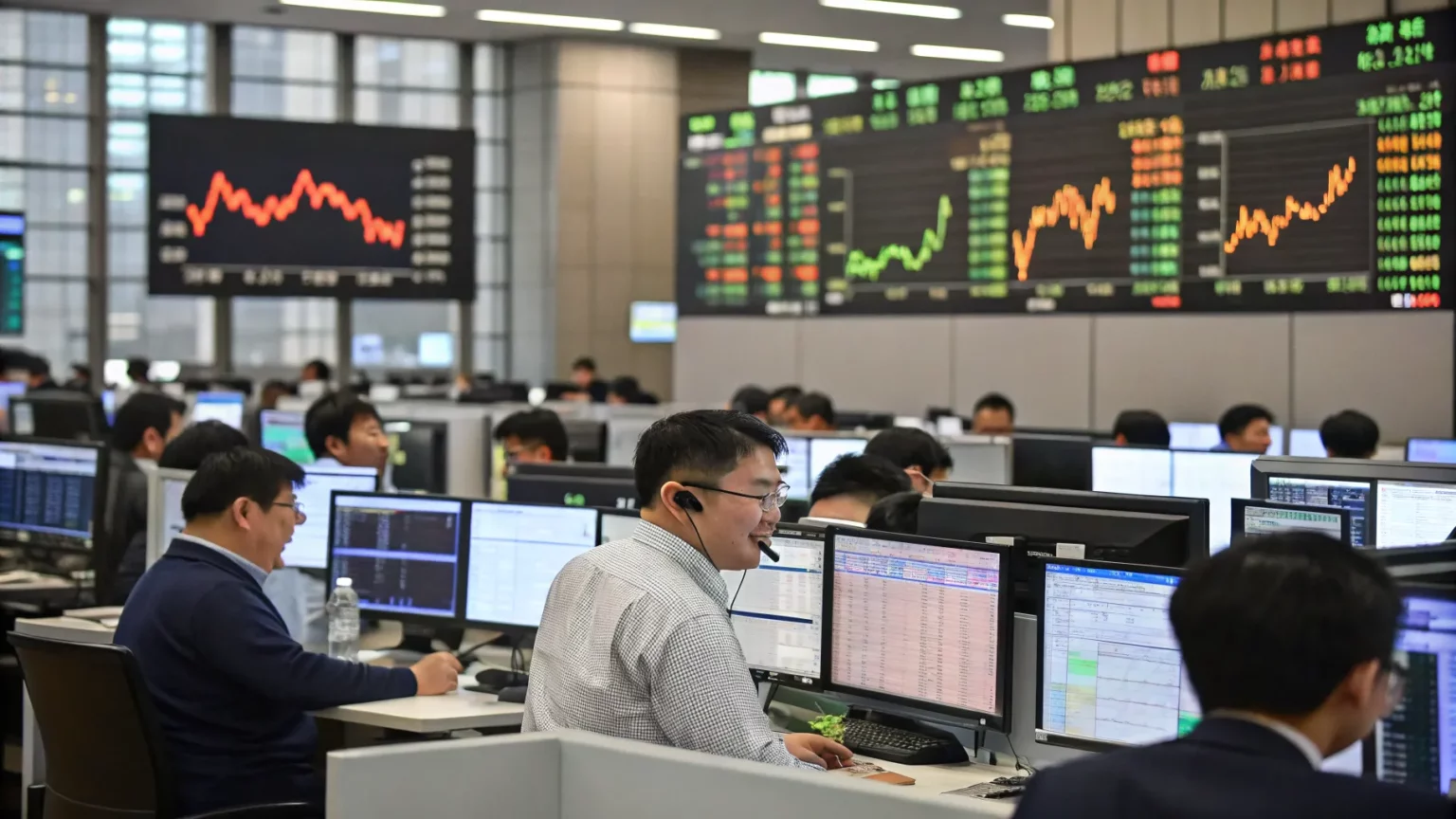
Asian stocks climbed as traders weighed hints of easing U.S.-Iran tensions, mirroring a cautious rally on Wall Street and breaking a streak of defensive trading. Gains stretched across major markets in early Wednesday dealing, after a signal from Washington suggested a possible diplomatic opening that could cool a long-simmering standoff with Tehran.
Investors bought shares in cyclical sectors and trimmed safe-haven bets, while energy names moved on shifting oil expectations. The bounce came after comments from President Donald Trump that the United States had spoken with Iran about a path out of conflict, a remark that markets read as a step away from escalation.
“The United States has talked with Iran about a possible end to their war.”
Market Reaction: Relief, With a Seatbelt On
Gains were broad but measured, suggesting traders are hedging cheer with realism. Buying showed up in export-heavy names and technology shares, while utilities and other defensive picks lagged.
- Asian benchmarks turned higher in early trade, following a Wall Street rise.
- Safe-haven trades—such as gold and the yen—eased from recent peaks.
- Oil prices softened as traders priced in lower near-term supply risks.
The mood echoed a familiar playbook: when the risk of conflict fades, even a little, equities tend to breathe, energy prices cool, and bond yields tick up as investors rotate back into risk.
Why Geopolitics Moves Markets
U.S.-Iran tensions have long been a market swing factor, largely because the region sits over crucial shipping lanes for crude. Any flare-up can lift prices by squeezing supply, while a diplomatic thaw can do the opposite. That feeds straight into corporate costs and consumer prices.
For Asia, where many economies rely on imported energy and export demand, the stakes are clear. Cheaper oil can lighten input costs for manufacturers and airlines, while stability can support trade flows and business investment plans.
Reading the Signal from Washington
Analysts parsed the president’s wording for signs of substantive progress. The phrasing left room for interpretation, but the fact that talks were mentioned at all was enough to shift market psychology, at least for a day.
Some strategists warned against overconfidence. Dialogue does not guarantee a deal, and past episodes show how quickly sentiment can snap back. Still, investors welcomed any hint that the temperature might drop.



Market watcher Lin Tan said the relief rally made sense but urged caution. “Diplomacy can calm prices faster than fundamentals change balance sheets,” she noted. “If headlines reverse, so will trades.”
History Offers a Cautionary Map
Over the past decade, skirmishes, sanctions, and maritime incidents have repeatedly rattled energy markets. Each time, equities reacted first, often before hard data confirmed any change in supply. When tensions rose, oil and defense stocks gained; when talks surfaced, airlines and shippers caught a bid.
The present pattern fits. Traders are pricing in lower disruption risk while staying nimble. Options activity in energy and transport names suggests investors are keeping some protection in place.
What to Watch Next
Several markers could decide whether the rebound has legs:
- Verified diplomatic steps, such as formal talks or confidence-building measures.
- Oil inventory data and shipping flows through key straits.
- Guidance from multinational firms on energy costs and demand.
Central bank commentary also matters. If lower energy prices ease inflation pressure, policy paths in the U.S. and Asia could tilt more growth-friendly, adding fuel to the rally.
The Bottom Line for Investors
The day’s bounce is a reminder that geopolitics still drives prices as much as profits do. Hopes for de-escalation gave Asian markets room to recover, cut some risk premia, and nudge oil lower. But the trade is only as sturdy as the diplomacy behind it.
For now, investors are taking the win while keeping one eye on headlines and the other on energy markets. If talks turn real, the relief could spread from trading screens to corporate budgets and consumer wallets. If not, the seatbelts stay fastened.