




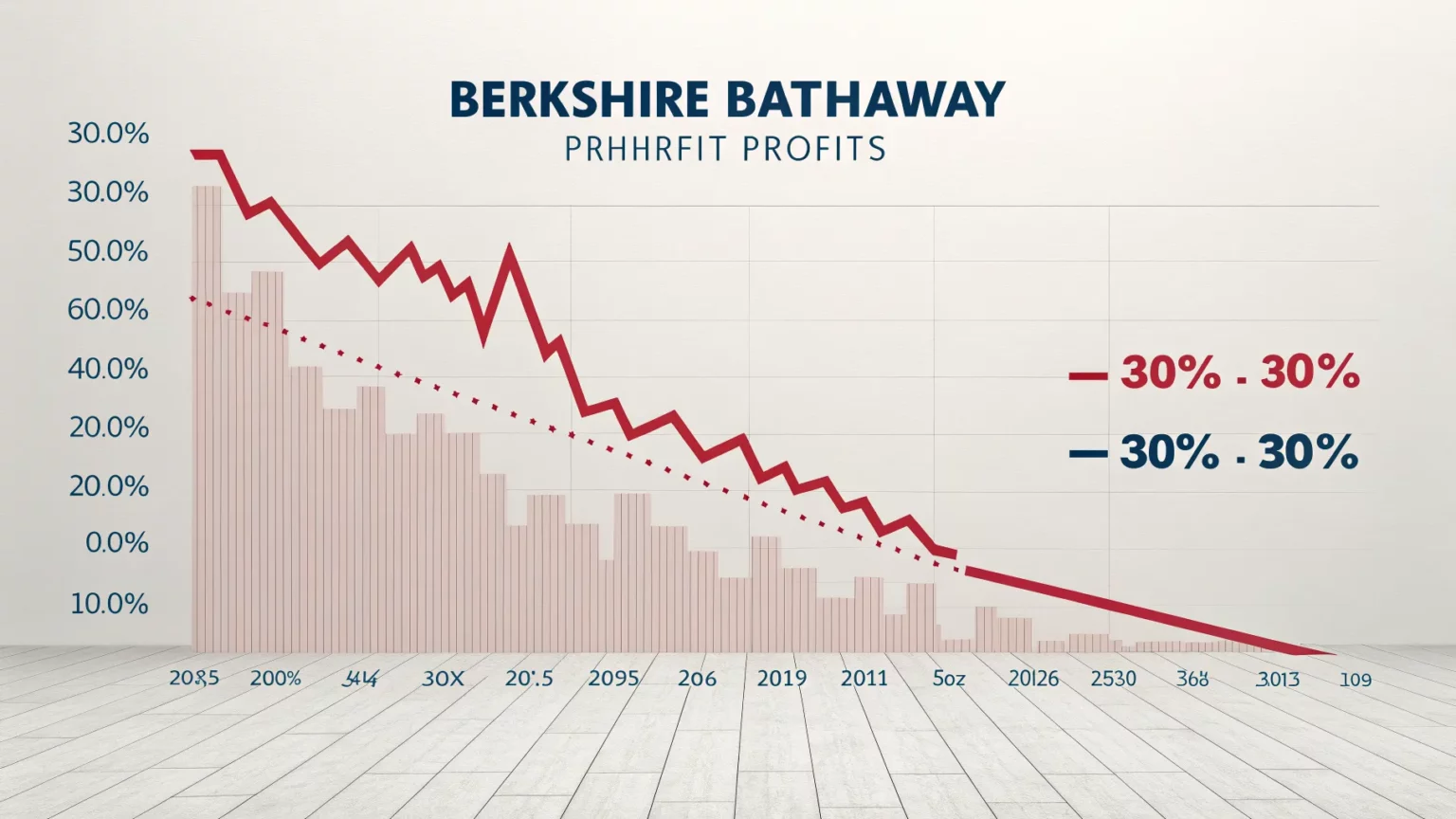
Berkshire Hathaway reported a sharp decline in operating profit in the fourth quarter, signaling pressure across parts of its sprawling business. The company said operating earnings fell 30% from the prior year period, a setback for one of the market’s bellwethers with major holdings in insurance, rail, energy, and consumer companies.
The drop comes as investors gauge how slowing freight demand, higher catastrophe losses, and shifting energy markets are affecting large conglomerates. The timing also matters. Berkshire often releases detailed annual figures around its spring meeting, and fourth-quarter trends can set the stage for the year ahead.
Berkshire’s operating profits were down 30% in the fourth quarter.
What the Decline Signals
Operating profit strips out investment gains and losses. It is a cleaner view of how the core businesses are doing. A 30% slide suggests weaker performance in one or more key units.
Insurance is central to Berkshire. Underwriting results can swing with the weather and pricing cycles. Rail and energy are sensitive to the economy and regulation. Even small shifts across those areas can add up given Berkshire’s scale.
Potential Pressure Points
While Berkshire has not broken out the drivers of the fourth-quarter result here, several forces likely shaped the period:
- Insurance: Higher catastrophe claims or adverse development can hit underwriting income.
- Rail: Softer carload volumes and fuel costs can weigh on margins.
- Energy: Extreme weather, fuel prices, and regulatory items can affect utilities and pipelines.
- Expenses: Wage inflation and supply costs add to pressure across subsidiaries.
Interest rates helped investment income in 2023 and 2024, but operating figures exclude many market gains. That puts more focus on underwriting quality and business efficiency.
Context From Past Cycles
Berkshire has faced uneven quarters before. Insurance earnings tend to be lumpy. A bad storm season or a tough reinsurance market can dent results in one quarter and recover later as pricing adjusts. Rail traffic cycles with manufacturing and consumer demand. Energy profits vary with regulation and fuel dynamics.
Historically, Berkshire’s breadth has cushioned shocks. Strength in one area can offset weakness in another. The latest quarter shows that even a diversified group can feel strain when several headwinds hit at once.



Market Impact and Investor View
For shareholders, the number raises two questions. First, is the decline temporary or the start of a longer slowdown? Second, how much cash does Berkshire retain to buy back shares or pursue deals if profits cool?
Analysts often judge the company on three levers: underwriting discipline, capital allocation, and liquidity. A weaker quarter will push attention to pricing in property and casualty lines, expense control at the railroad, and regulatory outcomes in utilities.
Investors may also look at how Berkshire’s public stock holdings performed. While not part of operating profit, those gains and losses shape book value and confidence in the portfolio strategy.
What to Watch Next
Several updates could clarify the picture in coming months:
- Detailed segment results to pinpoint which units drove the decline.
- Commentary on insurance pricing and catastrophe exposure for 2024.
- Rail volume trends and cost actions to protect margins.
- Utility earnings guidance and any regulatory settlements.
- Share repurchase activity as a signal of management’s view on valuation.
Seasonal patterns also matter. First-quarter catastrophe activity and freight data will help show if the fourth quarter was an anomaly or a trend.
Broader Industry Signals
Berkshire’s earnings often track big-picture forces. If freight and energy soften, it hints at slower industrial activity. If insurance pricing tightens, it can point to rising loss costs and a firmer underwriting cycle. These signals feed into how investors judge other conglomerates and sector leaders.
Comparisons with peers will be key. Insurers with heavy catastrophe exposure faced higher losses in recent years. Railroads have coped with shifting commodity flows and service upgrades. Utilities have navigated storms, grid investment needs, and rate cases. Berkshire’s mix offers a cross-section of those themes.
The 30% drop in operating profit is a wake-up call, but not a verdict on the year. The next reports will show whether cost actions, pricing, and steady demand can narrow the gap. For now, investors will watch segment detail, cash deployment, and management’s tone for signs of stabilization or more strain ahead.