



Build-A-Bear Workshop is drawing fresh attention from shoppers and investors, as the nearly 30-year-old toy brand rides a wave of demand across age groups. The company’s push to serve children, teens, and adults has helped it outpace some of Wall Street’s best-known names in recent periods, according to market watchers. The shift comes as retailers look for stable growth in a volatile economy and consumers seek memorable, personalized gifts.
“Build-A-Bear Workshop, the nearly 30-year-old toy brand, is having a breakout moment, eclipsing some of Wall Street’s biggest winners by targeting customers across a broad age range.”
A Brand That Grew Up With Its Fans
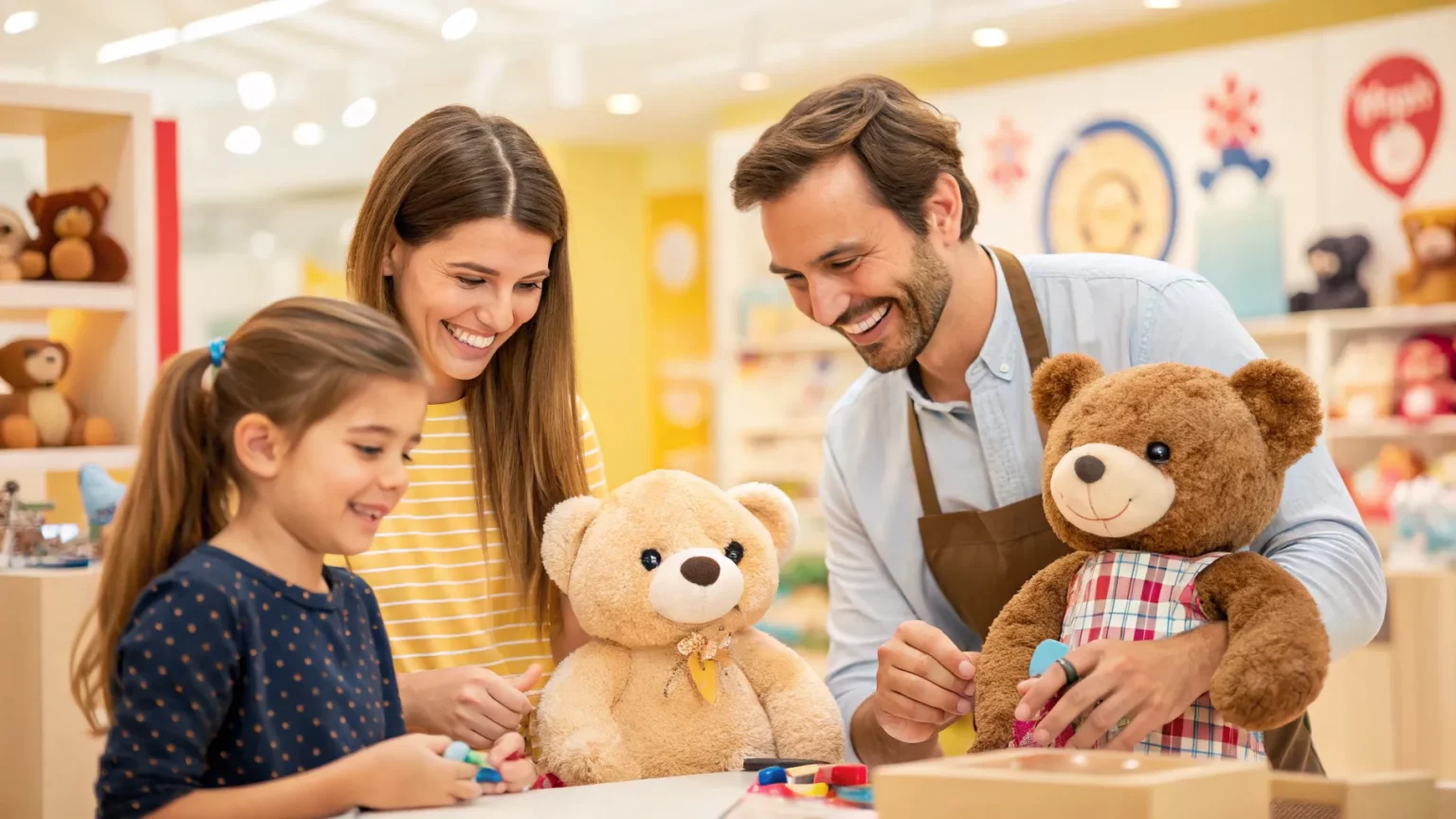
Founded in the late 1990s, Build-A-Bear built its name on in-store experiences. Children choose a plush, fill it, and personalize it with clothing and messages. That formula has stayed intact, but the audience has expanded. Adults now purchase bears for anniversaries, graduations, and themed collections. Social media has helped, turning custom plush into shareable moments and gift ideas.
Analysts say the brand has leaned into the “kidult” trend. That includes limited releases, seasonal drops, and partnerships with well-known entertainment franchises. These collections appeal to older fans who grew up with the brand and now have spending power. The approach also attracts collectors who search for unique items and exclusives.
Why the Strategy Is Working
Retailers that offer experiences have fared better than those that rely only on transactions. Build-A-Bear’s stores encourage visits for birthdays, school milestones, and group events. That repeat traffic supports higher conversion and add-on sales like clothing, sounds, and accessories. The company has also built a direct-to-consumer channel that sells online exclusives and made-to-order items for gifting.
- Expands audience beyond children to teens and adults.
- Leverages nostalgia through themed collections and seasonal drops.
- Balances in-store experiences with online exclusives and gifting.
The results have caught the eye of investors. While the broader market swings, companies with clear pricing, high-margin add-ons, and strong brand attachment can stand out. Build-A-Bear’s model checks these boxes, helping to explain its recent stock outperformance mentioned by observers.
Inside the Stores: Experience and Personalization
The in-store process remains the brand’s engine. Staff guide shoppers through steps that feel special to children while offering premium choices for adults. Personalized audio, custom clothing, and themed accessories turn a single plush into a tailored product. That mix strengthens loyalty and drives repeat visits.
Store events have also returned as families and groups resume outings. The brand has used holidays and pop culture moments to draw traffic. Experts credit this approach for building steady demand across the year, rather than relying on year-end surges.
Investor View: Gains and Possible Risks
Market watchers point to several factors behind the company’s momentum. The brand’s tight control over pricing and product mix supports margins. Its shift from a mall-only presence to a mix of destination stores, shops-in-shop, and e-commerce reduces risk. Broader licensing and collaborations add fresh content without heavy fixed costs.



There are risks. Consumer spending can soften. Licensing terms can change. A misstep in collections or inventory can dent sales. But the diversified audience offers some cushion. Adults buying for themselves or for gifts can help offset seasonal dips in kids’ purchasing.
What to Watch Next
Industry observers expect Build-A-Bear to keep refining its age-spanning strategy. The key questions now center on how many new stores the company can add without dilution, and how often it can release fresh themes without fatigue. There is also room for growth in international markets and partnerships with entertainment brands.
Digital engagement will matter. Personalized online tools, easy gifting, and limited drops can drive repeat visits. The brand’s ability to balance scarcity with availability will shape demand from collectors and casual buyers alike.
Build-A-Bear’s current moment shows how a legacy name can refresh its appeal without losing its core. By serving both children and adults, the company has widened its market and caught investor attention. The next phase will test whether it can maintain novelty, protect margins, and keep shoppers coming back for experiences they cannot get from a click-and-ship toy. For now, the mix of nostalgia, personalization, and steady product releases is giving the brand an edge—and a rare retail growth story to watch.