



As work and family schedules squeeze mealtimes, one registered dietitian is modeling how to keep protein and vegetables on the plate without slowing down. Jamie Mok, a nutrition expert who is also a mom and yoga teacher, is showing that small, steady habits can meet daily needs even on packed days.
Mok’s approach speaks to a common struggle. Many adults juggle caregiving, commutes, and multiple jobs. Fast, filling food often wins. Yet health guidance continues to stress regular protein and a wide range of produce. Her day-to-day tactics offer a window into what works when time is short.
Why Protein and Produce Matter
Protein supports muscle repair, bone health, and satiety. Most guidelines set a minimum of about 0.8 grams per kilogram of body weight for adults, with higher targets for active people. Vegetables add fiber, potassium, and vitamins A, C, and K. The Centers for Disease Control and Prevention has reported that only about one in ten adults eat enough fruits and vegetables. Time pressure and cost are frequent barriers.
Yoga instruction and parenting add frequent movement, shifting schedules, and early starts. That can raise protein needs while trimming the time available to cook. It also makes steady energy a priority. Quick, portable foods become essential tools.
Strategies From a Packed Schedule
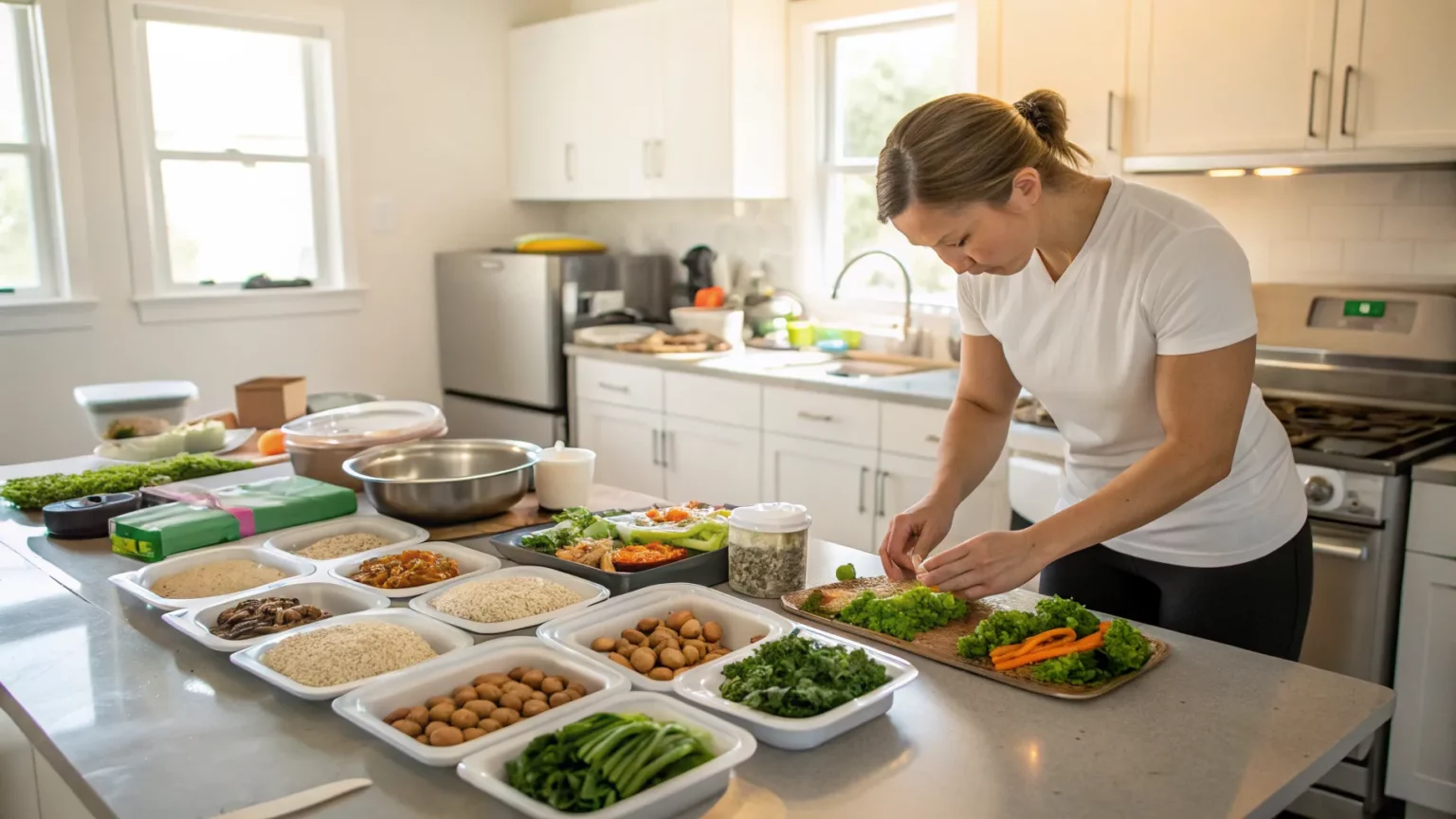
Jamie Mok, a registered dietitian, finds creative ways to eat enough protein and vegetables throughout her busy days as a mom and yoga teacher.
Mok’s playbook centers on planning once and eating many times. She favors simple proteins that cook in batches and pair with produce in different ways. Leftovers are not an accident. They are the plan.
She also leans on items that do not need long prep. Greek yogurt, cottage cheese, hard-boiled eggs, tofu, edamame, canned beans, and rotisserie chicken all fit into quick meals. Pre-washed greens, baby carrots, cherry tomatoes, snap peas, and frozen mixed vegetables make sides fast.
- Cook a base protein, such as chicken thighs, tofu, or lentils, for use across several meals.
- Stock grab-and-go produce and pair it with dips like hummus or yogurt.
- Build portable combos: yogurt with berries, whole-grain wraps with beans and greens, or a tofu-and-veg stir-fry over rice.
- Use frozen and canned options to save time and reduce waste. Rinse canned beans to cut sodium.
Blenders help add spinach or kale to smoothies without much chopping. Sheet-pan dinners bake protein and vegetables at once. A small cooler bag in the car or studio can bridge long stretches between classes and school pickup.
Expert Checks and Trade-Offs
Dietitians often warn against a single-nutrient focus. Chasing only protein can crowd out fiber and healthy fats. Mok’s method counters that by tying protein to vegetables in each snack or meal. Beans with greens, eggs with peppers, tofu with broccoli. That improves satiety and micronutrient intake.



Cost can be a concern. Beans, lentils, eggs, and frozen vegetables stretch budgets better than many convenience items. Canned fish offers protein, omega-3s, and long shelf life. Watch sodium in canned goods and sauces. Choose low-sodium versions when possible.
Some athletes and yoga practitioners choose plant-forward patterns. Tofu, tempeh, edamame, seitan, and legumes can meet protein goals when spaced across the day. Pairing beans with whole grains helps cover amino acids.
What This Means for Others
Mok’s routine reflects a shift in how people eat. More meals happen in small windows between tasks. That makes portable, protein-rich and produce-forward options key. It also reinforces the value of planning short prep sessions to remove friction later.
Employers and schools are taking note. Vending machines now stock nuts and jerky along with chips. Cafeterias offer grain bowls with greens and beans. Grocery stores have expanded ready-to-eat vegetables and high-protein dairy. These changes make it easier to match advice with action.
For those looking to start, begin with one habit. Prep a single protein on Sundays. Keep two vegetables ready to grab. Add one serving of produce to a snack. Small moves build consistency.
The larger message is simple. Meeting protein and vegetable goals does not require gourmet meals or long recipes. It requires a plan that fits the day. As Mok shows, practical choices, repeated often, can support strength, energy, and family life without adding stress.
Watch for clearer guidance on protein needs for active adults and busy caregivers as more research emerges. In the meantime, the safest bet is steady, varied intake. Pair quick proteins with easy vegetables, and let planning do the heavy lifting.