




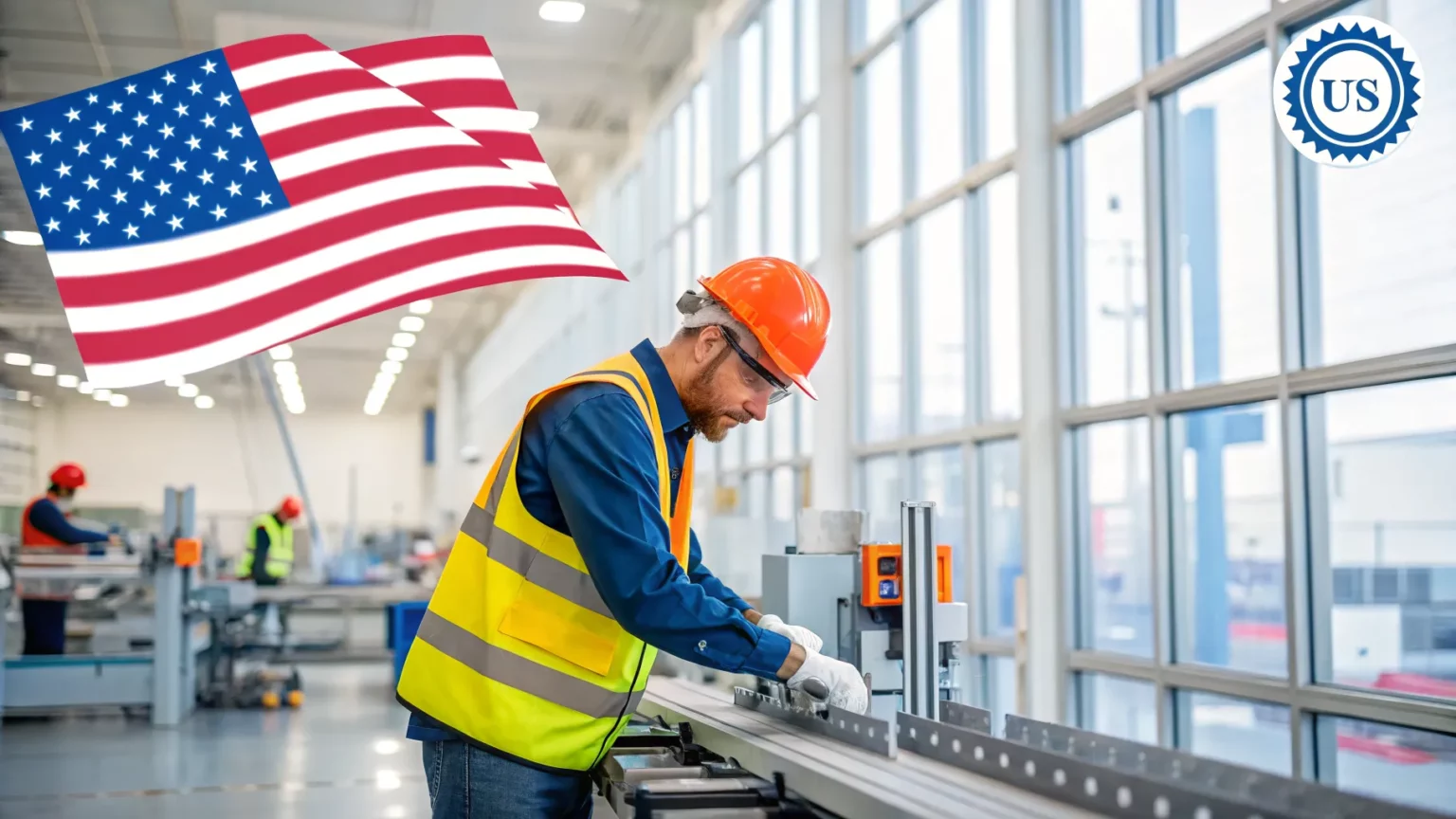
On a national business program, Authentically American founder and CEO Dean Wegner pressed a simple case: choosing U.S.-made goods can help protect jobs, shore up factories, and cut reliance on Chinese imports. His pitch arrived as supply chain risks, labor costs, and trade tensions remain top of mind for companies and consumers alike.
Wegner spoke during a televised interview, arguing that a stronger home market can support local workers while easing exposure to geopolitical shocks. The message comes as retailers reassess sourcing plans and consumers weigh price against origin on store shelves.
A Made-in-America Pitch
Wegner, who leads a Nashville-based apparel company that manufactures domestically, framed the choice as both economic and strategic. He tied purchase decisions to factory output and community payrolls across the country.
“Buying U.S.-made products strengthens American jobs, boosts the economy and reduces dependence on China,” Wegner said.
He argued that public awareness has grown since supply chains faltered during the pandemic. For his company, he said, keeping production in the United States helps with quality control and lead times, even if it raises some costs.
Jobs, Supply Chains, and China
Supporters of domestic manufacturing say purchase decisions can ripple through local economies. When orders stay onshore, they contend, factories can hire, suppliers can invest, and training programs gain purpose. That case gained steam after shortages of essential goods exposed fragile links in global trade.
China remains a major source of finished products and components. Executives who favor reshoring describe it as a hedge against shifting tariffs, shipping delays, and political frictions. Wegner’s point mirrors a wider move by some brands to diversify suppliers or add second sources closer to home.
Economists also note potential limits. Not every industry can move production quickly. Some inputs still come from overseas. And firms must balance inventory risk with price pressures that influence consumer behavior.
Price Pressures and Consumer Choice
Advocates say many shoppers are now willing to pay a modest premium for goods made domestically. Retailers report that labels highlighting origin can sway purchasing, especially in apparel, tools, and home goods. Yet price sensitivity remains strong in lower-margin categories.



Critics warn that steering too much buying onshore could lift costs for families, especially if wages do not keep up. They also argue that global trade has delivered variety and savings for decades. The debate turns on how much value to place on local jobs, resilience, and national security versus sticker price at checkout.
- Supporters cite job growth and shorter lead times.
- Skeptics point to higher prices and limited capacity.
- Many companies pursue a hybrid model with mixed sourcing.
Signals From Industry
Apparel, electronics, and consumer goods brands are testing near-shore and onshore options. Some firms place final assembly in the United States while sourcing parts from multiple countries. Others invest in automation to offset labor costs and keep production closer to major markets.
Wegner’s comments reflect that middle path. He presents domestic sourcing as a long-term play that may not beat overseas prices on every item but can steady operations and protect know-how. He also links origin to brand trust, arguing that customers want clearer visibility into where and how goods are made.
What To Watch
Policy shifts, shipping rates, and consumer sentiment will guide the next phase. If tariffs change or transport costs rise, more businesses could bring work back. If price pressures ease, the import share could hold steady. Retailers will likely keep testing origin labels, limited runs made domestically, and repair or recycle programs to extend product life.
Wegner’s case lands at a moment when companies look for steadier supply, and households weigh value, origin, and quality. The near-term picture may be mixed, but interest in U.S.-made goods is not fading. The key question is whether shoppers will keep choosing them when budgets tighten and options widen.