


California’s new $20 an hour base wage for fast-food workers is rippling through the state’s restaurant sector, testing prices, jobs, and business models six months after it took effect. The policy, which began April 1 for chains with at least 60 locations nationwide, was designed to lift pay in a low-wage industry and set a standard other states are watching. Operators now face higher labor costs as consumers weigh rising menu prices and workers report bigger paychecks.
How the Law Works
The law covers limited-service chains with a large national footprint, including burger, chicken, pizza, coffee, and bakery brands. It excludes smaller independents and certain in-store eateries. A state Fast Food Council can adjust the wage each year through 2029, capped at 3.5% or the rate of inflation, whichever is lower. Supporters framed the measure as a targeted lift for one of the state’s largest frontline workforces. Critics warned of reduced hours, automation, or closures as operators look to protect margins.
Early Signals From the Market
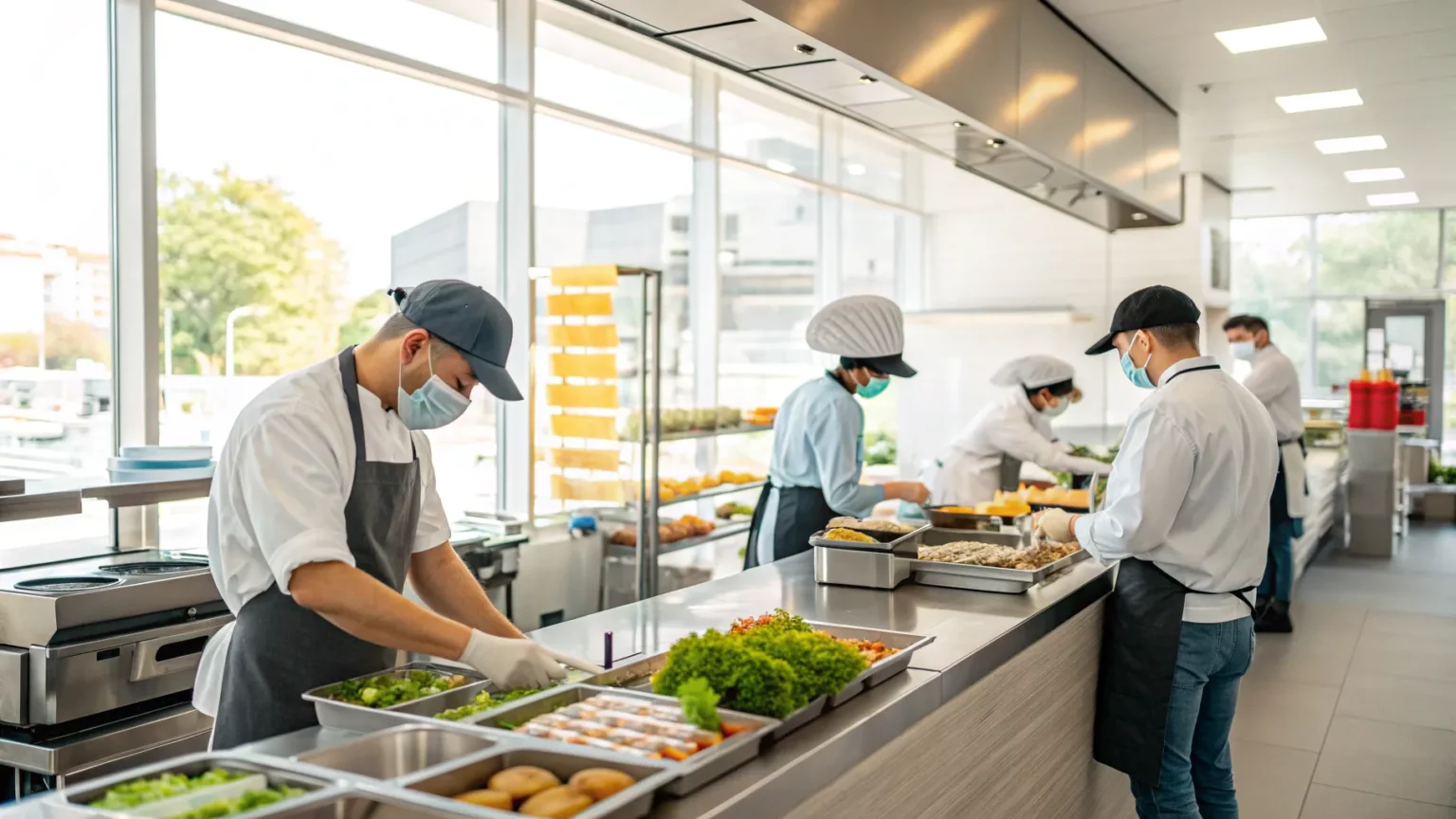
Early evidence points to a mix of outcomes. Some franchisees and corporate chains raised menu prices, added service fees, or trimmed late-night shifts. Several brands fast-tracked kiosks and mobile ordering. A handful of operators closed underperforming locations or slowed expansion plans. At the same time, many workers saw immediate gains in weekly pay, and managers reported easier hiring and lower turnover.
State labor and payroll data for spring and summer 2024 suggest limited-service restaurant employment softened modestly after the policy took effect, while wages rose sharply for entry-level roles. Economists note it will take more time to separate wage impacts from higher interest rates, commercial lease costs, and uneven consumer demand. Industry performance also varies by region, with high-rent urban corridors facing more stress than suburban markets.
What Workers and Owners Report
Restaurant staff say the higher floor has cut the need for second jobs for some workers and eased pressure in expensive cities. Employees in areas such as Los Angeles and the Bay Area describe pay rising faster than rents and groceries this year, though inflation still matters. Operators, for their part, say wage costs now sit closer to 35% of sales in some formats, up from near 30%, forcing tough choices on staffing and pricing.
- Workers report larger paychecks and steadier schedules in some units.
- Franchise owners cite higher prices, new fees, and reduced hours as common responses.
- Corporate brands accelerate kiosks, loyalty apps, and drive-thru optimization.
Prices, Demand, and Menu Strategy
Menu prices rose for many chains, though the size and timing varied. Some brands spread increases over several months to avoid sticker shock. Others experimented with value menus, bundles, or limited-time offers to keep traffic from falling. Operators say customers have become more price sensitive at lunch and late night, while breakfast and drive-thru traffic remain resilient. Delivery has stayed strong, but fees and tips add to the total bill, pushing some diners back to pick-up.
Broader Economic Context
California’s move lands amid slower consumer spending, higher interest rates, and higher commercial lease costs. That makes it harder to isolate wage effects. Bankruptcy filings and closures at some chains in 2024 cited a mix of rents, debt, and labor costs. Meanwhile, national fast-food pricing rose over several years due to supply and transportation shocks. The state’s wage policy amplifies those pressures but is not the sole driver.
What to Watch Next
Analysts are tracking whether job losses stabilize as operators adjust, or if closures spread to mid-performing stores. They also watch the spread of automation, including kiosks, AI drive-thru assistants, and smaller kitchen teams. Worker turnover trends are another key metric; lower churn can offset some wage costs by reducing hiring and training expenses. Consumer response will be crucial, especially if brands can hold value perception with creative bundles and rewards.



Other states are observing California’s experiment. If wage hikes lift incomes without deep job losses, similar policies could expand. If closures mount and traffic weakens, lawmakers may pause. For now, California’s fast-food sector sits in a period of adjustment, with higher pay in workers’ pockets and operators reshaping how they run stores. The next year will show whether higher productivity, technology, and menu strategy can balance the math.
The bottom line: the $20 wage has raised earnings for hundreds of thousands of workers while pushing restaurants to reset prices, schedules, and investments. The policy’s long-run effects will hinge on consumer tolerance for higher prices, the pace of automation, and whether turnover savings materialize. Expect more data this fall as employment and sales reports capture a full season under the new rules.