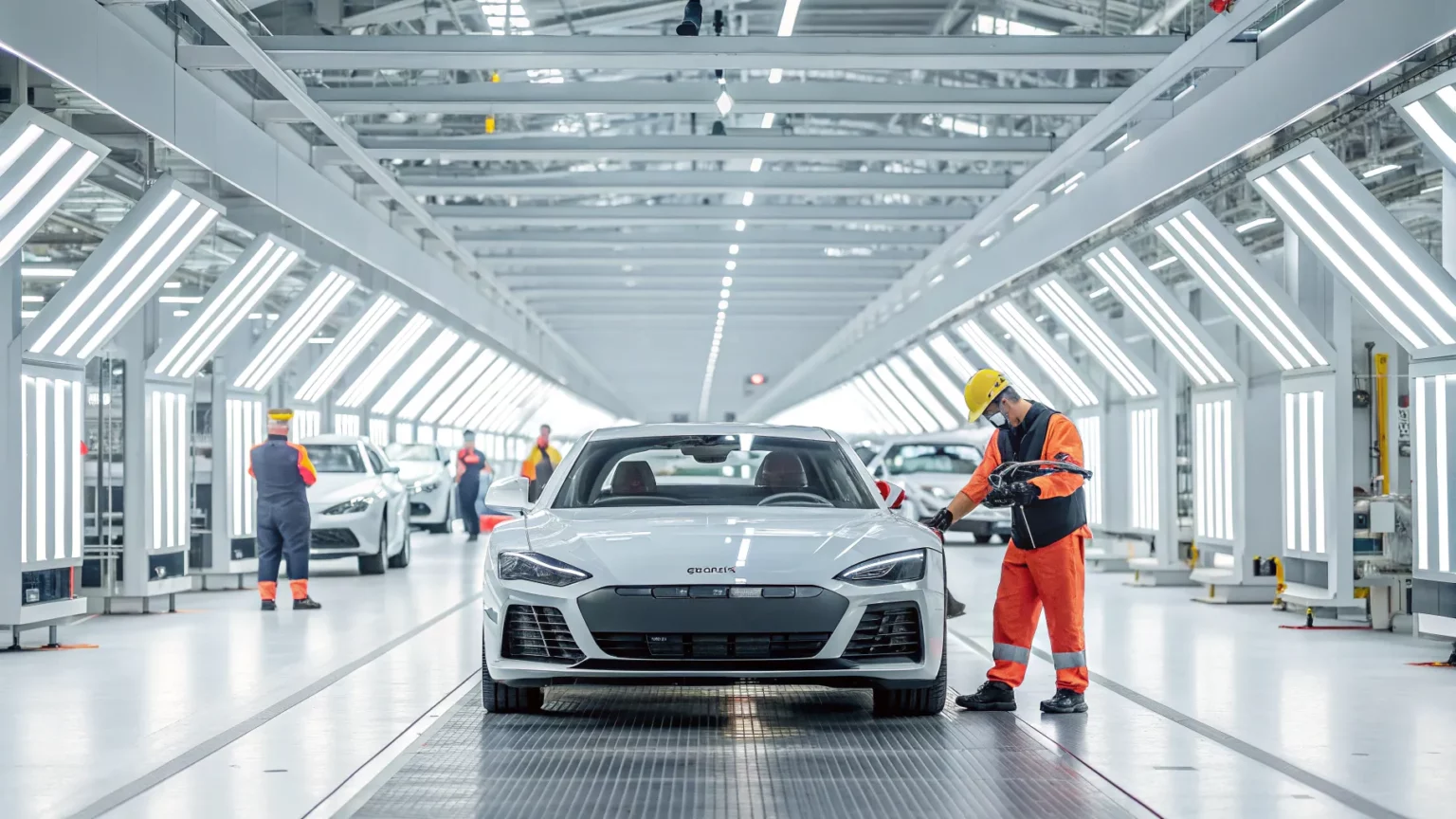
A major carmaker is pledging to keep investing in the United States after authorities conducted a raid that the company’s chief described as unexpected. The CEO called the action “a bad surprise,” while signaling that the firm’s long-term plans in the U.S. market remain intact. The comment comes as the global auto industry faces heightened scrutiny, supply chain pressures, and a high-cost shift to electric vehicles.
Company Response Signals Steadfast Strategy
The firm moved quickly to steady nerves, stressing its commitment to ongoing projects, jobs, and local sourcing plans. The CEO framed the raid as a disruption but not a change in direction. The company did not detail the cause or scope of the search but made clear that its U.S. investment pipeline stays in place.
“The raid was a bad surprise but the firm will continue to invest in the U.S.”
That message aims to reassure employees, suppliers, and state officials who rely on promised factory buildouts and model launches. It also seeks to calm investors who have watched volatile auto shares amid questions about margins and demand for new models.
Regulatory Context and Rising Oversight
Raids and searches in the auto sector can involve a range of issues. Recent cases in the industry have focused on emissions compliance, sourcing and labor practices, product safety documentation, and financial reporting. Authorities often secure records and interview staff to test whether internal controls match public claims.
Legal experts say early cooperation can shape outcomes. While companies typically avoid commenting on active matters, they tend to emphasize compliance programs and promise full assistance to investigators. That approach can limit market fallout and keep operations on track.
- Such actions do not imply guilt; they are often part of fact-finding steps.
- Resolution timelines vary, from weeks to years, depending on scope and jurisdiction.
Why the U.S. Still Matters for Automakers
The United States remains a key market for both traditional vehicles and newer electric models. It offers scale, advanced supply networks, and incentives for domestic manufacturing. Federal and state programs have encouraged battery plants, assembly lines, and research hubs, drawing global carmakers to announce new commitments.
Even with cost pressures and soft spots in consumer demand, companies value the long-term potential of the U.S. market. Many have signaled a shift to local or regional supply chains to manage risk. That trend can shorten delivery times and add resilience when global shipping strains flare up.
Investor and Industry Reaction
Investors often react first to uncertainty, then wait for clarity. The company’s firm stance on U.S. spending could limit speculation about project delays. Suppliers will watch closely for any sign of schedule changes, especially for parts tied to new model launches or plant upgrades.

Industry peers will also take note. Public statements after raids can set a tone for how others communicate during sensitive events. Clear, measured updates can keep stakeholders aligned while legal reviews proceed.
What To Watch Next
Several themes will determine the near-term impact:
- Whether authorities outline the focus of their inquiry.
- If the company updates timelines for U.S. plant work or product plans.
- Any adjustments to compliance processes or executive oversight.
Analysts will track hiring plans, capital spending, and supplier contracts. Minor rescheduling would suggest limited operational impact. Larger shifts could point to deeper challenges that might affect production or launch calendars.
For now, the automaker is leaning on a straightforward message: it will stay the course in the United States. The CEO’s assurance, though brief, sets a clear public marker while legal matters run their path. The next signals are likely to come through regulatory filings, official statements, or updates on factory milestones. Stakeholders should watch for concrete dates, confirmed budgets, and any new compliance steps that emerge as the situation develops.