


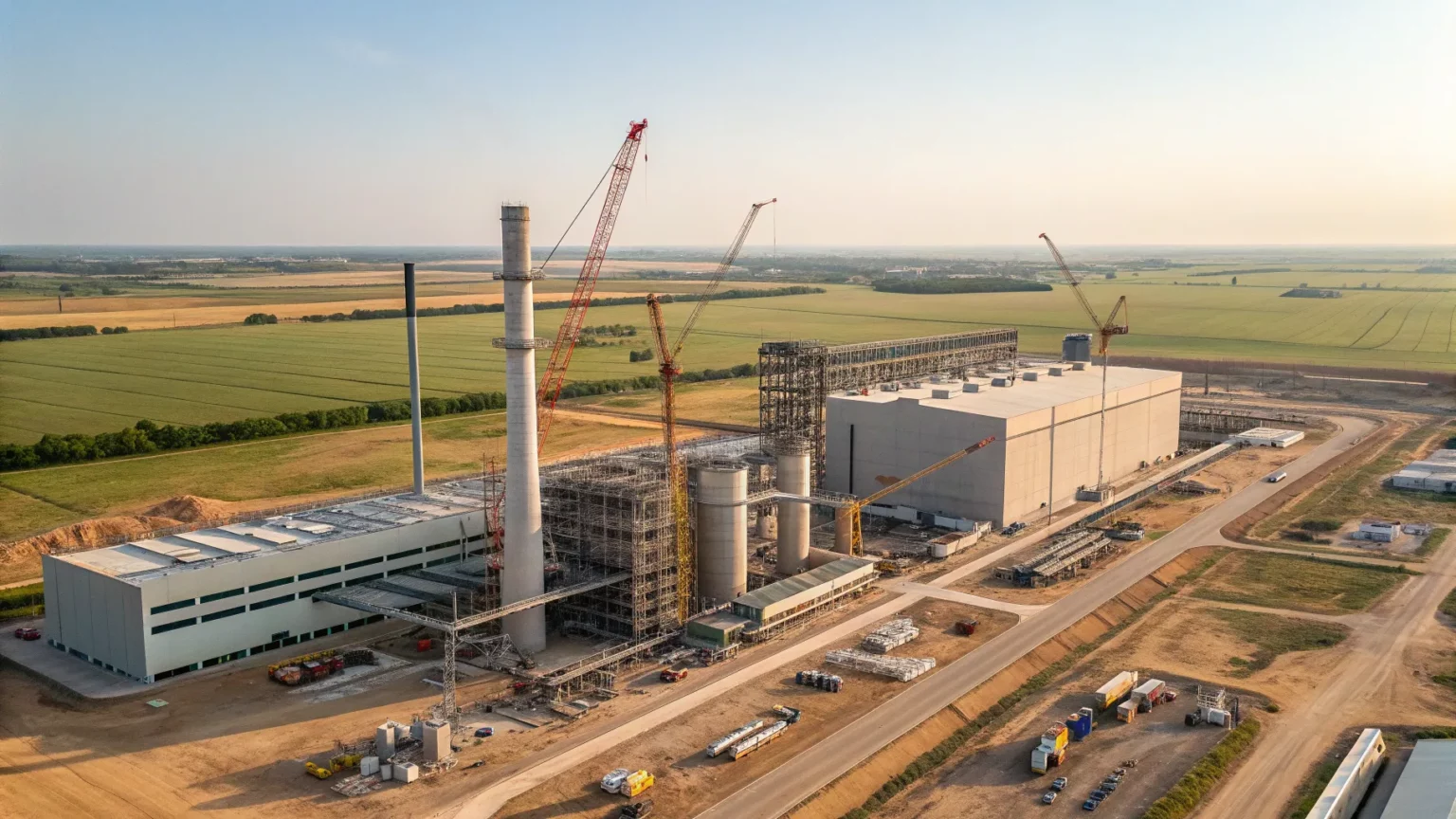
Century Aluminum is moving ahead with a massive aluminum plant in Oklahoma, a project the company says will boost U.S. production and reduce reliance on imports. CEO Jesse Gary outlined the plan during a television appearance on “Mornings with Maria,” signaling a strategic shift to bring more primary aluminum output back onshore. The announcement comes as manufacturers seek stable supplies for cars, construction, defense systems, and the power grid.
Why This Matters Now
U.S. primary aluminum capacity has shrunk over the past two decades as smelters closed or curtailed production during periods of high energy costs and low global prices. That left the country dependent on imports for a large share of its needs. A new smelter would be a rare addition to domestic capacity, potentially easing supply risks highlighted by trade disputes, sanctions, and shipping disruptions.
Oklahoma’s central location and access to power and rail make it attractive for heavy industry. State leaders have courted large projects with incentives and workforce training programs. For Century Aluminum, the site offers proximity to customers and a chance to demonstrate newer production technologies that can cut emissions and improve efficiency.
Project Goals and Economic Impact
Gary framed the plant as a national supply chain investment with local upside. The Oklahoma project is designed to increase output of primary aluminum used in everything from auto frames to power lines. It is also pitched as a step to cut reliance on foreign imports, a priority for U.S. manufacturers worried about price swings and geopolitical risk.
The company did not release detailed timelines or capacity figures during the interview, but a plant of this scale would require significant capital and a multi-year build. If completed, the smelter could support construction jobs and long-term roles in operations, maintenance, and logistics. Suppliers for alumina, carbon anodes, and equipment would also gain new business.
Local officials are likely to watch for commitments tied to hiring and training. Community colleges and technical schools could become partners to provide skilled workers for high-voltage operations, materials handling, and process control.
Energy, Environment, and Risk
Aluminum smelting is energy intensive. Access to reliable, competitively priced electricity will be central to the plant’s economics. Oklahoma’s grid mix includes natural gas and growing wind capacity. The balance between cost, reliability, and emissions will shape the project’s long-term viability.
Environmental questions will also loom. Smelters must manage fluoride emissions, spent pot lining, and greenhouse gases. Century Aluminum has said in past public statements that cleaner power and modern technology can lower a smelter’s footprint. Regulators will review air and water permits, and the company will need to outline plans for waste handling and community monitoring.



Trade policy adds another layer of uncertainty. Tariffs, quotas, and sanctions can sway aluminum prices and import flows. A new U.S. plant offers a hedge against these shocks, but it will still compete with low-cost producers abroad.
Industry Context and Outlook
Automakers are using more aluminum to reduce vehicle weight. Grid upgrades call for more wire and transformers. Construction demand is steady in transportation and commercial projects. These trends support the case for new U.S. capacity, though demand can swing with interest rates and economic growth.
Analysts will watch for agreements with power providers, long-term customer contracts, and details on technology choices. Investors will also look at financing, including any state or federal incentives tied to domestic manufacturing and clean energy goals.
- Site power agreements and grid mix will be decisive.
- Environmental permits and community engagement are key milestones.
- Offtake contracts could lock in demand and reduce risk.
What We Heard From Leadership
Gary presented the Oklahoma plant as a strategic move to strengthen U.S. manufacturing capacity. He emphasized the need for steady domestic supply and less exposure to foreign shocks. While specific numbers were not disclosed, the message was clear: the company sees an opening to rebuild a sector that has struggled with closures and volatility.
He also linked the project to national priorities like infrastructure and defense. Aluminum is essential for aircraft, armored vehicles, and transmission lines. A reliable domestic source can help meet surge demand and protect critical supply chains.
Community concerns will likely center on air quality and water use. The company will need to show how it plans to reduce emissions, manage waste, and maintain transparency with local residents.
If Century Aluminum secures power, permits, and financing, the Oklahoma smelter could mark a turning point for U.S. aluminum. Success would lessen import dependence and anchor new jobs. The next steps to watch include the power deal, permitting timeline, and customer commitments that can move the project from plan to construction.