




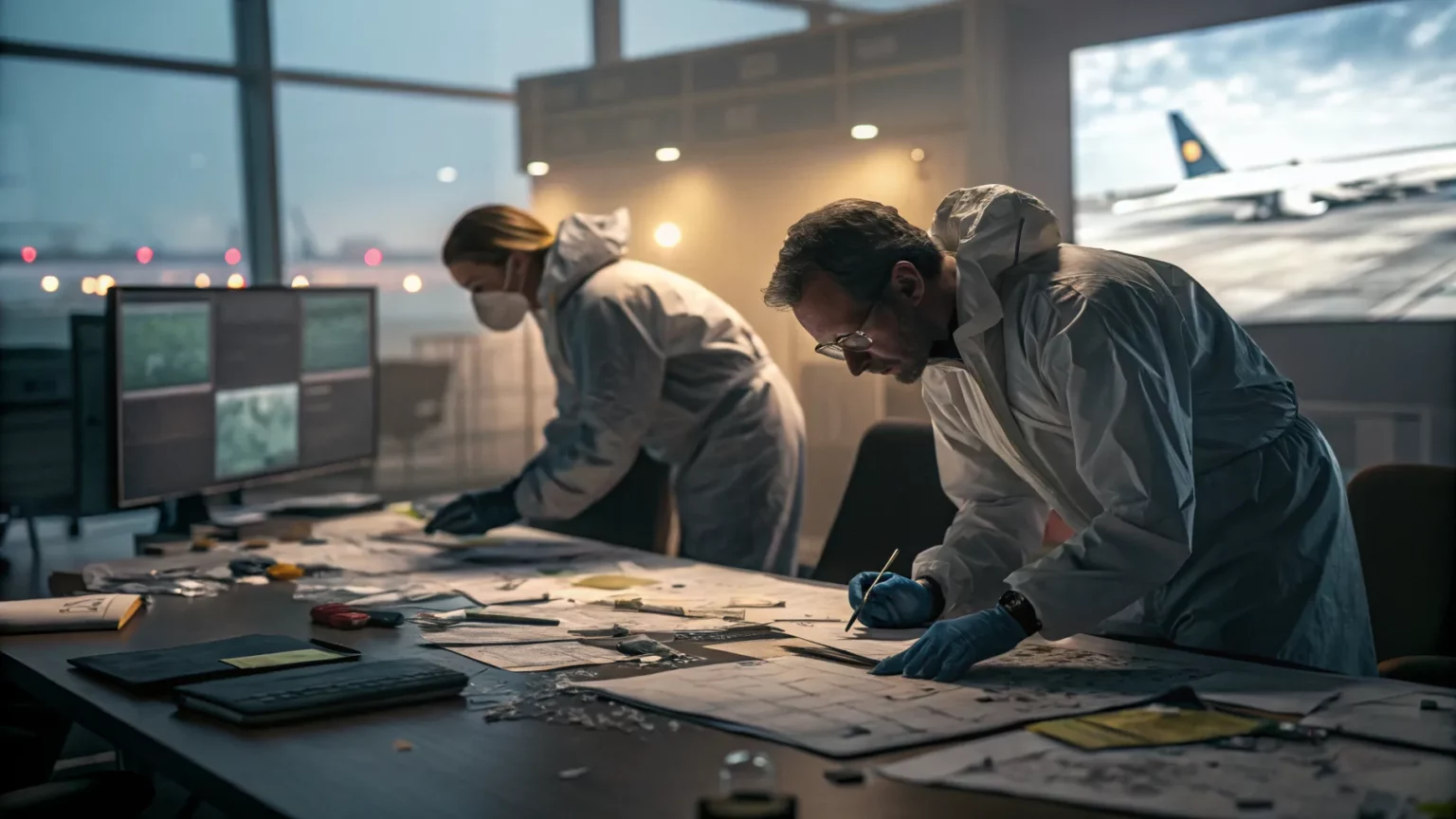
Investigators are piecing together how small missteps and routine disruptions aligned to cause the worst runway disaster at LaGuardia Airport in decades. The incident, which unfolded on the ground during a busy period at the New York hub, has triggered fresh scrutiny of airfield operations, communication, and crew decision-making. Officials say the core issue is not a single failure, but how many minor issues stacked up at once.
A Chain Reaction on the Tarmac
Early findings describe a sequence where common stressors built on each other. Weather updates, runway changes, and high traffic combined with human limits. Each step, standing alone, might have been manageable. Together, they set the stage for tragedy.
How a cascade of seemingly minor events led to the worst runway disaster at LaGuardia Airport in decades.
Safety experts often describe this pattern as a chain reaction, where gaps in procedures, technology, and attention line up at the same time. In such moments, a missed radio call, a late braking point, or an incorrect readback can move from harmless to fatal in seconds.
Why LaGuardia Faces Unique Pressures
LaGuardia operates under tight constraints. The airfield has short runways and a dense network of taxiways. Traffic volume is high, especially at peak hours. These factors compress margins and raise the workload for pilots and controllers.
History shows that busy airports face greater risk on the surface, not only in the air. Runway changes, construction zones, and rapid sequencing can complicate standard routines. Even small delays in issuing or acknowledging clearances can ripple across the field during rush periods.
Human Factors and Communication Gaps
Aviation is built on clear, shared language. Standard phraseology reduces guesswork. But under pressure, communication can fray. Readback and hearback errors, stepped-on transmissions, and similar callsigns can cause confusion. Fatigue and workload make those slips more likely.
Investigators are examining how crews processed changing instructions, how they verified positions on the airfield, and whether cockpit cross-checks caught discrepancies in time. They are also assessing controller workload and staffing during the period in question. The aim is to learn whether common safeguards, such as mandatory readbacks and taxi briefings, worked as designed.
Technology and Procedures Under Review
Modern airports use tools such as surface movement radar and runway status lights to prevent conflicts. Airlines rely on electronic flight bags and moving maps to keep crews oriented. These systems reduce risk but do not remove it. When conditions shift quickly, alerts and maps can lag behind events or be misread under stress.



Officials are weighing steps that could lower risk during peak operations. Possible measures include refined taxi routing during low visibility, stricter limits on runway changes near departure time, and added controller prompts for high-consequence clearances. Enhanced training on surface threats, with focused scenarios for LaGuardia’s layout, is also under discussion.
Data, Trends, and What Comes Next
Federal data show thousands of runway incursions are reported each year in the United States. Only a small share are the most serious, but recent close calls at several airports have raised concern. The pattern is familiar: heavy traffic, fast-changing conditions, and a brief breakdown in coordination.
LaGuardia’s incident fits that frame, according to people familiar with the review. The question is which barriers failed first and why backups did not catch the drift. Investigators are mapping the timeline to the second, looking for missed cues and points where a pause or challenge could have changed the outcome.
- Improve timing and clarity of runway and taxi clearances during peak periods.
- Strengthen cockpit cross-checks for runway identification and hold-short points.
- Expand use of surface alerts and ensure they are visible and unambiguous.
- Address fatigue risks on high-density schedules for both crews and controllers.
Balancing Capacity and Safety
New York’s airspace is among the most constrained in the country. Airlines and the airport seek to keep schedules moving, even as weather and maintenance demands pull plans off track. Safety leaders say capacity goals must yield the moment risk rises. That can mean delaying departures, simplifying taxi routes, or holding position until every party is aligned.
The investigation will likely recommend targeted fixes rather than sweeping overhauls. Past cases show that small, well-placed changes—clearer signage, better lighting cues, and stricter readback policies—can prevent a chain from forming in the first place.
The picture that emerges is sobering but actionable. A series of everyday pressures lined up at LaGuardia and overwhelmed the system. The next steps will focus on breaking that chain earlier, with clearer communication, smarter use of technology, and stricter go/no-go rules when the field is saturated. As investigators finalize their report, watch for changes in surface procedures, training refreshers aimed at high-density airports, and stronger alerts where a wrong turn or missed call can carry the highest cost.