


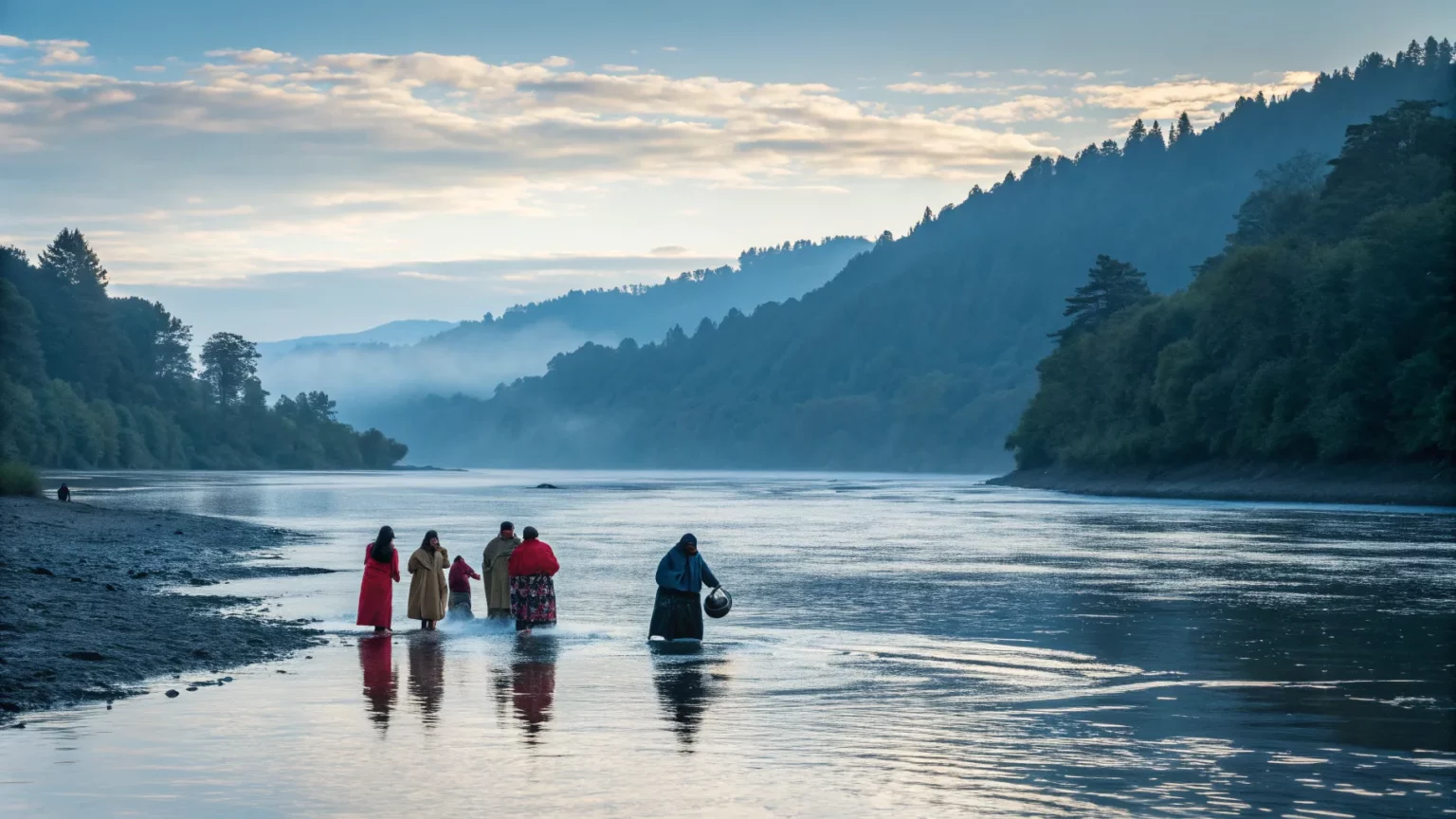
At dawn along Chile’s Pilmaiquen River, Mapuche families stepped into icy water to welcome the winter solstice, even as a long-running dispute over dams and sacred sites shadowed the ritual. The ceremony, part of We Tripantü, brought communities together in southern Chile this week, highlighting both cultural revival and rising pressure on ancestral lands.
The event unfolded on the river that the Mapuche-Huilliche consider sacred. It also sits near hydroelectric projects that have stirred local resistance. The tension between spiritual practice and energy development is not new here, but it now carries fresh urgency as Chile weighs climate goals, water rights, and Indigenous recognition.
Ancient New Year on a Cold Morning
We Tripantü marks the return of longer days in the Southern Hemisphere. Families gather at night, share food, offerings, and stories, and then greet first light with a cleansing river dip. The water, believed to renew the body and spirit, is central to the rite.
In the south, the tradition has gained visibility as Mapuche leaders invite younger generations to learn songs, language, and ceremony. That focus reflects a broader cultural revival across Chile’s Indigenous communities, who have pushed for public recognition and legal protection of their customs.
- We Tripantü is observed during the June solstice.
- The Pilmaiquen is central to Mapuche-Huilliche ceremonies.
- Energy projects on the river have fueled years of protest.
Sacred River, Modern Dams
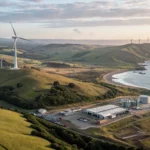
Hydropower developers see the Pilmaiquen as a valuable source of clean energy. Community leaders see the river as a living being tied to ceremonies, burial grounds, and the figure of Kintuante, a guardian spirit linked to nearby sacred sites.
Disputes intensified as projects advanced along the river. Mapuche-Huilliche organizations argue that dams threaten both cultural heritage and the river’s flow, which they say is essential to traditional rites. Companies counter that they follow Chilean law, conduct environmental reviews, and offer mitigation plans.
Local officials are caught between energy targets and demands for respect. Chile seeks to expand renewables and cut emissions. Yet international standards call for free, prior, and informed consent when projects may affect Indigenous peoples. That balance remains unsettled on the Pilmaiquen.
Community Fears and Company Promises
Residents who attend We Tripantü say the river ceremony cannot simply move elsewhere. The setting is part of the meaning. They worry that reduced flow, altered access, or inundation near sacred places would weaken practices that survived centuries of pressure.



Developers often highlight jobs, regional investment, and the climate benefits of hydropower. They point to studies that assess fish, sediment, and cultural impacts. They also propose site protections or community funds to address concerns. For many families, though, the core issue is spiritual continuity, not compensation.
Independent researchers note that conflict tends to flare when communities feel decisions were made far from home. More inclusive talks, they say, can reduce friction. That means clear information, timelines that allow real input, and cultural monitors on site during construction.
Chile’s Wider Reckoning With Rights and Water
The debate on the Pilmaiquen echoes national questions. Chile is rewriting rules on water, which was long treated as a private asset. Droughts and climate change have added pressure. So have calls to recognize Indigenous peoples in law and public policy.
Census data show the Mapuche are Chile’s largest Indigenous group. Many live in the south, where forestry, farming, and energy projects overlap with ancestral land claims. Courts and environmental agencies often serve as referees when talks break down, but rulings vary case by case.
Recent years brought new attempts at dialogue, including regional roundtables and cultural site registries. Progress is uneven. Communities along the Pilmaiquen want concrete protections for the places they hold sacred, not just consultation after plans are set.
What to Watch Next
Several paths could ease tensions. Stronger legal status for sacred sites would give clearer guardrails for developers and communities. Transparent water-flow standards could help maintain ceremonies tied to the river cycle. Independent cultural assessments, funded but not steered by companies, may build trust.
Policy signals matter too. Chile’s energy planners aim to grow renewables fast. If projects near spiritual sites face higher scrutiny, developers may shift to locations with fewer conflicts, even if costs rise.
For now, the Pilmaiquen carries both cold mountain water and a hot debate. The solstice ritual went on, as it has for generations. But each year, the stakes feel higher for those who step into the river at first light.
The latest celebrations show a community holding fast to ceremony while pressing for legal respect. The next steps—whether new protections, revised plans, or fresh talks—will shape not only one river, but how Chile balances clean energy, cultural survival, and public consent.