




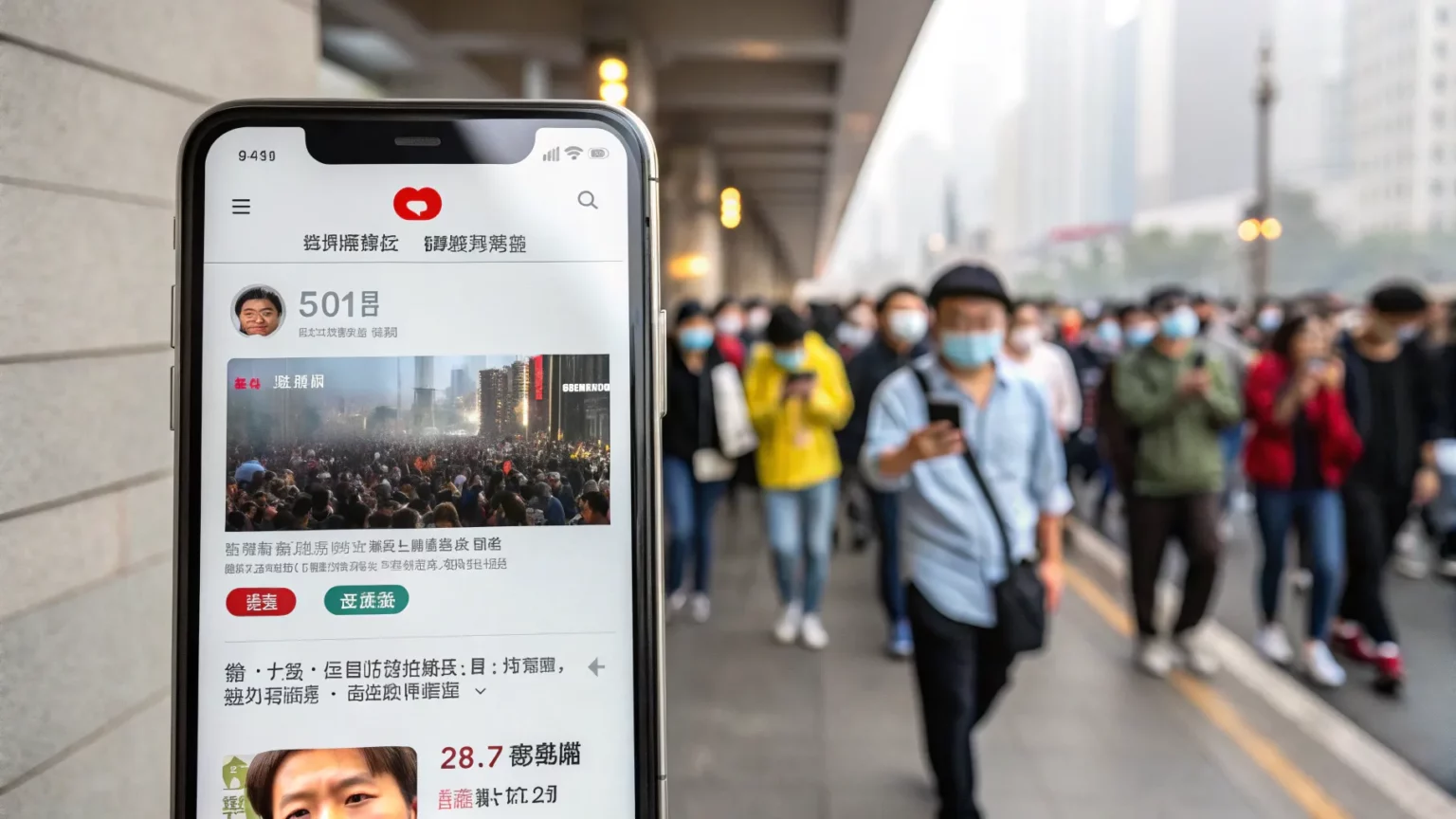
A leading Chinese short-video and streaming app was flooded with pornographic and violent clips earlier this week, shocking users and raising sharp questions about online controls. The sudden surge in illegal material sparked public anger in a country known for strict internet oversight and swift content takedowns. The incident unfolded on a platform with hundreds of millions of viewers, prompting calls for accountability and tougher safeguards.
Authorities have not publicly detailed the cause. The episode has already revived debate over how even large platforms can fail at moderation at scale, and how quickly regulators respond when those failures spill into public view.
How a Moderation Breakdown Reached Millions
Users reported that explicit and graphic videos appeared in feeds and search results, at times remaining live long enough to be widely shared. The spread seemed to cut across recommendation streams and trending lists. For many, the shock was tied to the speed and volume of the clips.
“One of China’s most popular short-video and streaming platforms was flooded with porn and violent content earlier this week, sparking outrage and bafflement in a nation where the internet is tightly controlled.”
Comments on social platforms described confusion and anger. Some users questioned whether moderators were overwhelmed or if filters were disabled. Others suspected coordinated uploads designed to test enforcement systems.
China’s Tight Controls and Past Crackdowns
China imposes heavy rules on online platforms, including real-name systems, keyword filtering, and human review for sensitive topics. Companies face fines, app suspensions, and executive penalties if banned content spreads. Over the past several years, regulators have run recurring “clean-up” campaigns targeting vulgarity, rumor-mongering, and harmful content on video apps and live-streaming services.
Platforms typically deploy a mix of automated scanning and large review teams. Content labeled as pornographic, violent, or harmful to minors is prohibited. Violations can lead to account bans and mandatory rectification periods. While these measures often act quickly, lapses still occur, especially when upload volumes spike or when bad actors adapt to filtering rules.
What Might Have Gone Wrong
Experts point to three common failure points in content moderation. First, automation can misclassify content when uploaders change formats, overlays, or use coded language. Second, live-streaming adds real-time pressure, and short delays can let videos spread. Third, coordinated campaigns can overwhelm review queues, especially during off-peak hours or system updates.
- Algorithmic filters can be evaded by modified visuals or audio.
- Human review can lag when volume surges unexpectedly.
- Recommendation systems can amplify harmful posts if flags arrive late.
When these factors combine, even a brief outage or misconfiguration can cause a broad spillover into public feeds.



Regulatory and Industry Fallout
The incident is likely to draw attention from national and local regulators, with possible demands for audits, public apologies, and feature changes. Platforms have previously been ordered to suspend certain functions, such as trending tabs or live-stream tipping, until fixes were verified. Advertising clients may also pause campaigns if brand safety is in doubt.
For parents and schools, the shock will renew calls for stricter youth modes and time limits. App stores could tighten age-gate enforcement. Industry peers may preemptively increase staffing on review teams, add “circuit breakers” for trending content, and set higher thresholds for auto-promotion during suspected abuse.
What Users Want to See Now
Users often look for fast explanations and visible changes after such failures. Clear statements on what happened, which features were affected, and how future risks will be reduced can rebuild trust. Transparency reports, outside audits, and better reporting tools are common steps.
Technical fixes may include safer defaults for recommendations, stricter checks on new accounts, and temporary throttles on viral posts flagged for review. Partnerships with child-safety groups and improved detection for repeat offenders can also help.
The flood of illegal content marks a serious test for a major platform and for China’s enforcement model. It shows how quickly harmful material can spread when moderation stumbles. The next few days will likely bring closer scrutiny, and possibly new rules. Users will watch for concrete fixes, while the industry reassesses how to contain surges before they reach public feeds.