




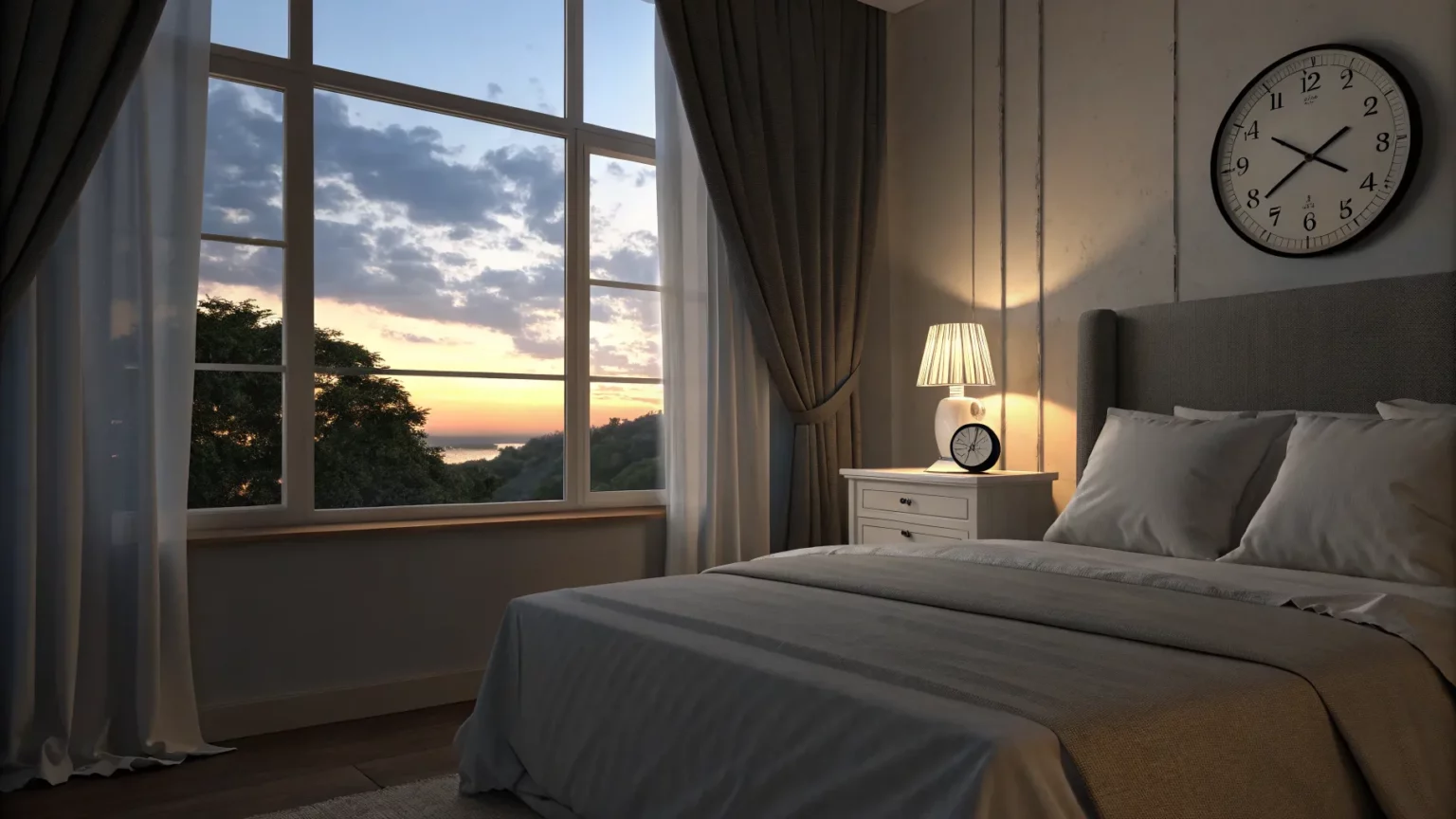
Most Americans will gain an extra hour of sleep this weekend as daylight saving time ends at 2 a.m. local time on Sunday. The shift sends clocks back one hour, nudging sunrise earlier and making evenings darker as winter approaches.
The time change affects the contiguous United States, with a few exceptions, and touches everything from morning commutes to airline schedules. It also revives a long-running debate over whether the country should keep changing clocks at all.
What’s Changing This Weekend
“It’s time for most of America to move clocks back on Sunday. Daylight saving time ends in the U.S. at 2 a.m. local time, which means setting your clock back an hour.”
Smartphones and most computers adjust automatically, but wall clocks, ovens, and car dashboards often need a manual fix. The switch returns most of the country to standard time until March.
- Clocks shift back one hour at 2 a.m. local time.
- Sunrise arrives earlier; sunset comes earlier too.
- Plan for darker late afternoons and evening commutes.
Who Doesn’t Change Clocks
Hawaii and most of Arizona do not observe daylight saving time. Several U.S. territories, including Puerto Rico, the U.S. Virgin Islands, American Samoa, Guam, and the Northern Mariana Islands, also stay on standard time year-round.
Many states have passed laws to lock the clocks on permanent daylight saving time, but they cannot make the switch without approval from Congress. The Sunshine Protection Act has been proposed several times in recent years. It has cleared the Senate once, but the measure stalled in the House and has not become law.
How We Got Here
The United States adopted daylight saving time during World War I and again during World War II to save energy. The current nationwide system dates to the Uniform Time Act of 1966, which set a standard schedule while allowing states to opt out. The start and end dates have shifted over time; since 2007, clocks spring forward in March and fall back in November.
Energy savings today appear smaller than once claimed, as modern electricity use patterns have changed. But the ritual remains, bringing predictable confusion—and jokes—twice a year.
Health, Safety, and the Two-Clock Problem
Sleep researchers often prefer permanent standard time, saying it aligns better with human circadian rhythms. They argue that the spring shift cuts sleep and can affect mood, heart health, and alertness. Traffic safety studies suggest crash risk rises after the spring change.



The fall change offers an extra hour of sleep, but it also brings earlier darkness. Pedestrian risks can increase during evening commutes as the sun sets earlier, especially in the first week after the switch. Schools and parents may welcome brighter mornings at bus stops, while workers reckon with dimmer evenings.
Fire departments often urge people to use the time change as a reminder to test smoke alarms and replace batteries. It is a small habit with lifesaving stakes.
Travel, Tech, and Your Monday Morning
Airlines, railroads, and broadcasters plan months ahead for the change. Overnight trains often pause en route to sync schedules. International flights crossing time zones rely on standard aviation time, but passengers still feel the shift at local gates.
Most phones, smartwatches, and computers update on their own, provided automatic time settings are enabled. Older devices and analog clocks need attention.
- Check calendar reminders and meeting invites for Monday.
- Glance at travel itineraries to confirm local times.
- Revisit lighting timers and security systems.
What Comes Next in the Clock Debate
Lawmakers remain split on the best fix. Some favor permanent daylight saving time for later sunsets year-round. Others back permanent standard time for sleep health and morning light. Either change would require federal action or a change in federal law.
Until then, the clock change remains a semiannual ritual. Expect renewed bills in statehouses and on Capitol Hill as winter sets in and the next spring shift looms.
For now, the advice is simple: set clocks back, go to bed on time, and give yourself a little extra grace on Monday. The sun will be up earlier, even if your coffee needs stay the same.