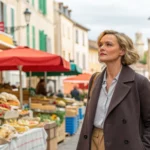



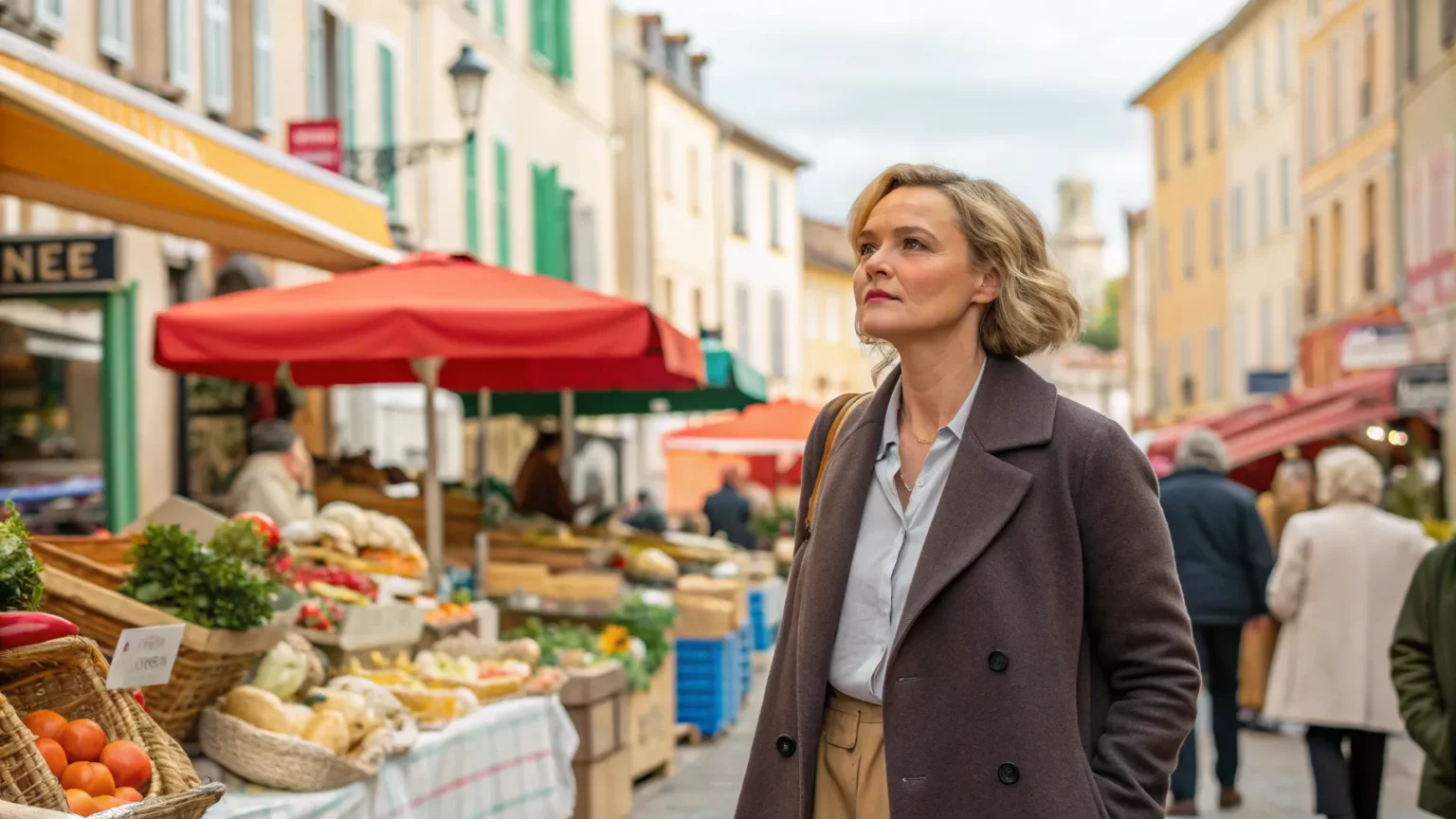
An actress and producer with a soft spot for France is back on CNN, leading viewers from flaky baguettes in Paris to blue lobsters in Brittany in a fresh season of a travel-and-culture series. The show’s new run promises a brisk tour of kitchens, markets, and coastal docks, with a simple goal: show how food and place shape each other, and why France still matters to curious travelers.
The season visits iconic stops and lesser-known corners. It anchors each location in the people who make it special, from bakers greeting the dawn to fishers eyeing the tide. While the network has not released an air date here, CNN positions the series as a feel-good guide with real reporting underneath.
The actress, producer and longtime Francophile takes CNN viewers across France in a new season of ‘Searching For,’ from baguettes in Paris to blue lobsters in Brittany.
A Culinary Map With People at the Center
France’s food culture is built on craft and habit. Daily bread is not just a snack; it is a ritual. Paris bakers start mixing dough when most of the city sleeps. By sunrise, racks of golden baguettes line counters. The show uses that rhythm to explain how skill and time create simple, honest flavor.
On the Atlantic coast, Brittany tells a different story. Blue lobsters are prized for their sweetness and color. They are hard to catch and harder to cook well. Viewers meet the crews who track currents and weather. They see how careful handling from boat to stove keeps the meat tender and bright.
Why France Still Pulls Viewers In
France’s pull is steady. UN tourism rankings often place it at or near the top of global destinations. The reason is not only monuments. It is the way regions protect identity through recipes and produce. The series leans into that idea with short, character-driven stops that explain why a dish tastes like a place.
Food TV has shifted in recent years from chef worship to community storytelling. This show follows that shift. It favors markets, home kitchens, and shorelines over white tablecloths. It keeps the focus on shared meals and the hands that make them possible.
What The New Season Tries to Show
The format blends travelogue with reporting. The host listens more than lectures. Bakers talk prices and flour quality. Fishers discuss quotas and fuel costs. Viewers get a sense of how global pressures touch daily work in one of the world’s best known food cultures.
- Paris segments track the life of a baguette from mix to oven.
- Brittany episodes follow the blue lobster from trap to plate.
- Local voices explain the rules, from appellations to catch limits.
Those choices keep the show grounded. It is glossy enough to be fun and detailed enough to teach. It makes the case that craft is newsworthy when craft shapes an economy and a way of life.


Industry Stakes and Viewer Appeal
For CNN, travel-and-food series offer a loyal audience and steady viewing hours. They also travel well across platforms and time zones. France, with strong name recognition, lowers the barrier for casual viewers who want comfort television with a bit of discovery.
For France’s tourism and food sectors, positive coverage can help small makers. A single segment can boost a bakery’s foot traffic or a harbor’s off-season bookings. The show’s team appears to balance that visibility with respect for sourcing and quotas, which are key in fragile coastal economies.
What to Watch For Next
Expect the season to broaden past Paris and Brittany. Regions like Lyon, the Dordogne, or Provence offer distinct voices and ingredients. If the show keeps its focus on people first, it can map the country through stories rather than checklists.
Viewers may also see episodes tackle price pressures, climate shifts, and labor shortages. Those forces affect flour yields, butter costs, and catch sizes. When a baguette costs more, or lobster landings dip, there is a chain of reasons. Explaining that chain is where the series can shine.
The new season’s promise is simple: let a familiar country feel new by listening closely. From ovens in Paris to decks in Brittany, the reporting hints at a larger point. Food is memory and work. It is also policy and weather. Stick with this tour, and future stops should reveal how those pieces fit together—one loaf and one lobster at a time.