




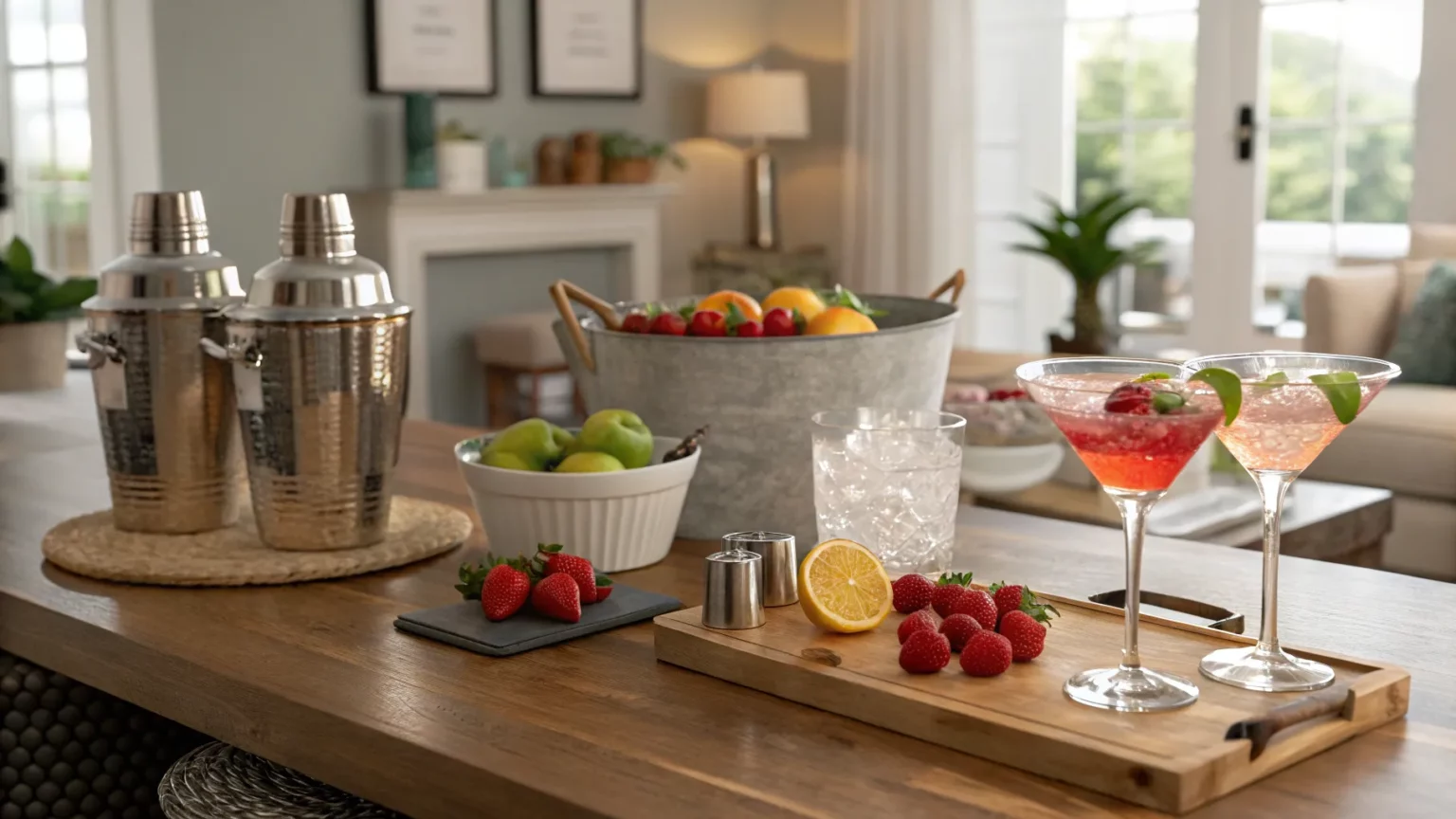
A pandemic-era habit is sticking: takeout drinks and DIY martinis are reshaping how Americans raise a glass at home. As dining rooms reopened, many consumers kept mixing at the kitchen counter while restaurants continued selling cocktails to go in states that allow it. The shift has changed routines, laws, and bar business models across the country.
Food writer Elizabeth Karmel captured the cultural beat when she wrote,
“Cocktails are having a moment, and because of the pandemic, that moment is happening most often at home.”
She also noted the legal side of the story: cocktails to go have been approved in more than 30 states, citing the Distilled Spirits Council. That expansion, launched as an emergency measure, has become a battleground for regulators, public health groups, and a lifeline for many neighborhood bars.
How Home Bars Took Center Stage
When dining rooms closed, the ritual moved home. Shaker sales rose, online classes flourished, and liquor stores reported heavier baskets. Restaurants responded with sealed to-go drinks, mix-and-match kits, and house syrups meant to mimic the bar experience.
Many drinkers liked the convenience and the price. A round that once required a reservation could now fit in a brown paper bag. For operators, each to-go old fashioned helped cover rent and payroll when margins were thin.
The Legal Patchwork That Followed
States adopted a patchwork of rules. Some made to-go cocktails permanent. Others set end dates, limits per order, and container rules. Cities layered on delivery restrictions and ID checks.
“Cocktails to go” were approved “in more than 30 states,” according to the Distilled Spirits Council, an industry group that has lobbied to keep the policy in place.
Supporters argue the policy boosts small businesses. Critics worry about open-container violations and underage access, especially with third-party delivery.
- Supporters: revenue tool for bars; consumer choice and convenience.
- Critics: enforcement challenges; public health and safety concerns.
What Bars Learned—and Kept
Operators adapted menus for travel. Spirit-forward classics traveled better than delicate sours. Many bars standardized recipes, batched drinks, and invested in tamper-evident seals. Those changes cut waste and sped up service, even for dine-in guests.


Some bars still sell house mixers and subscription kits. Others pair to-go drinks with limited menus to balance alcohol rules that require food sales. The trend also nudged bartenders to experiment with low-ABV options and no-ice formats that keep flavors in check until drinkers get home.
Consumer Habits Are Hard to Shake
Even as people returned to restaurants, not everyone returned to two-hour bar tabs. Home happy hours are cheaper, quieter, and easier to fit into a weeknight. For many, the splurge is a $12 takeout cocktail and a movie, not a night out.
Retail data during the pandemic showed bigger sales of spirits, bitters, and bar tools. While some buying cooled, the skillset stuck. Once people learn to stir a Manhattan, they tend to keep stirring.
What Could Change Next
Policy may tighten or loosen as lawmakers review outcomes. Expect more uniform labeling rules, stronger ID checks for delivery, and clearer open-container guidance for drivers and pedestrians. Insurance and liability for delivery services could also evolve.
Bars that rely on to-go revenue will likely diversify. Think limited-release cocktails, seasonal kits, and partnerships with local restaurants. Meanwhile, health groups may press for limits on volume per order or on delivery hours.
Balancing Convenience and Safety
The core tension is simple: help small businesses without making streets feel like a moving bar. Policymakers can thread the needle with sealed containers, ID scanning, and strict penalties for violations. Consumers can meet them halfway by ordering responsibly and keeping containers closed in cars.
The cultural shift is harder to regulate. People found comfort in a well-made drink at home, and they are not rushing to give it up. As Karmel put it, the moment for cocktails has arrived—and it found a new venue.
For now, watch three signals: whether more states lock in permanent rules, how delivery platforms enforce ID checks, and whether bars can keep building steady, legal to-go sales. If those align, the at-home martini might remain a weeknight staple, with a sealed to-go Negroni ready for the weekend.