




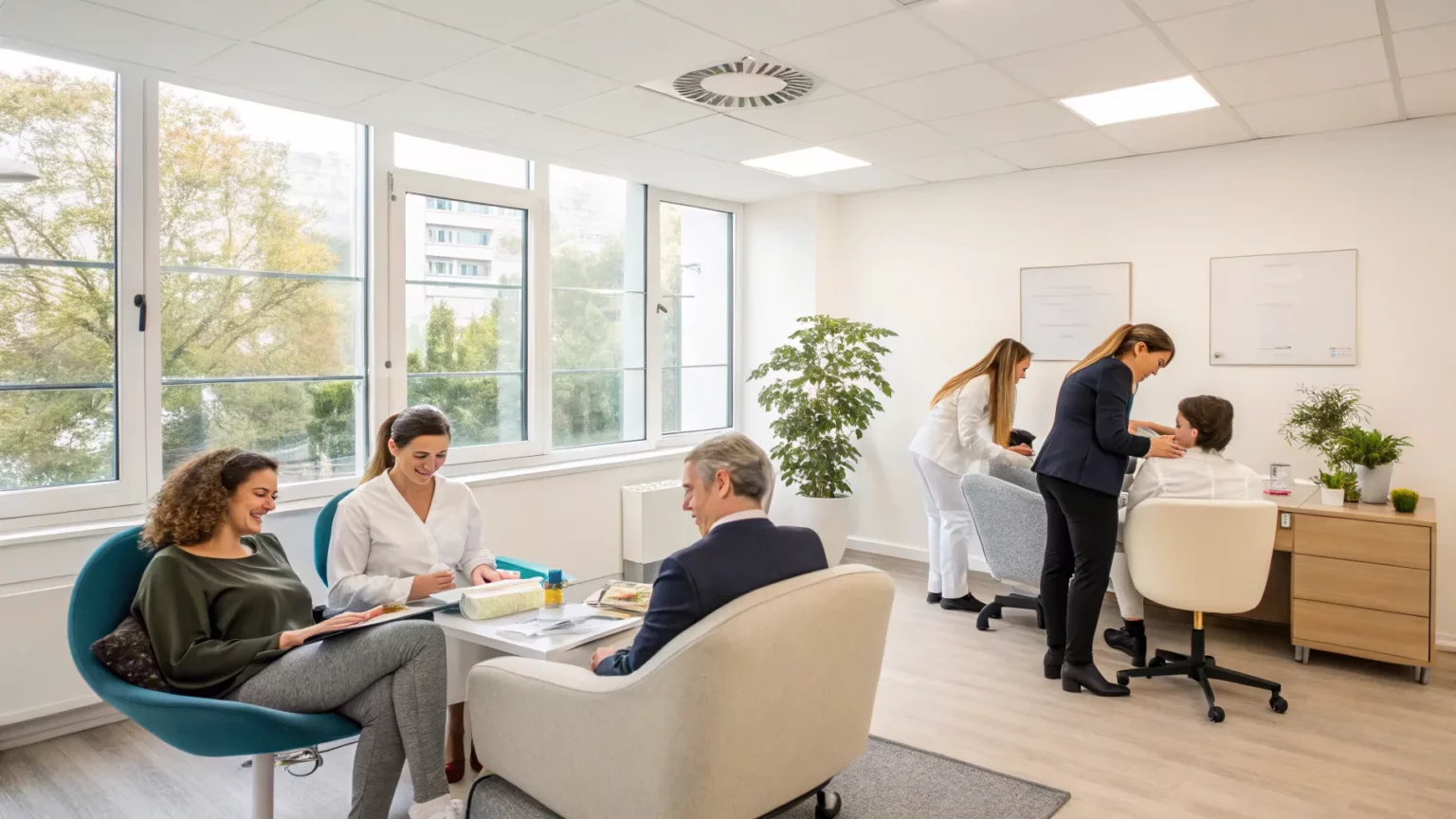
Cosmetic treatments are moving from private clinics to office calendars, as workers turn Botox and minor procedures into team events. The shift reflects changing views on appearance, social media influence, and workplace culture, with staff in some white-collar fields coordinating group appointments and sharing recovery tips.
The practice, once whispered about, is now openly discussed in chats and meetings. Some employees describe it as a form of bonding, mirroring fitness challenges or spa outings. Others worry it adds pressure to conform to a certain look, especially in client-facing jobs.
From Taboo to Team Chat
“In an era of looksmaxxing, surgery and Botox are no longer hush-hush — and now they’re a team bonding experience.”
That line captures a shift that has been building for years. Cosmetic work, especially injections and other quick procedures, has been normalized by influencers, reality TV, and telephoto-worthy events. Office group texts now include referrals, discount codes, and advice on timing treatments before presentations or busy seasons.
The term “looksmaxxing,” popular on social platforms, describes efforts to optimize appearance. While it covers grooming and fitness, conversations often center on minimally invasive options. Industry groups have reported steady growth in procedures that can be done on a lunch break, with brief downtime and predictable results.
Why Workplaces Are Seeing This Trend
Several forces are driving the shift. Remote work and video meetings increased scrutiny of faces on screen. As companies return to hybrid schedules, some employees aim for a refreshed look that reads well on camera and in person. Discounts for group bookings and clinic pop-ups near business districts reduce friction.
Managers, seeking morale boosts, have experimented with wellness outings. In some teams, that now includes cosmetic consultations alongside yoga or facials. HR professionals caution that what begins as optional can feel like an expectation, especially for junior staff or people in sales and marketing.
Benefits and Risks for Employees
Supporters say group appointments reduce stigma and allow peers to share accurate information about recovery and results. Teams may bond over a shared, controlled experience, similar to a group fitness class. For those already considering treatment, coordinated scheduling can be convenient and cheaper.
But critics warn of hidden costs. A workplace trend can blur lines between personal choice and perceived job advantage. Employees may feel pressure to participate to fit in, even if they have medical, cultural, or financial reasons to decline. Experts also note that any medical decision deserves privacy and time, not a quick sign-up link in a team chat.



- Consent must be voluntary and free of workplace pressure.
- Medical risks, however small, require individual evaluation.
- Policies should protect privacy and avoid appearance-based bias.
Legal and Ethical Questions for Employers
Employment lawyers urge caution. If managers promote or subsidize cosmetic procedures, companies could face claims of favoritism or discrimination tied to age, gender, or appearance. Even casual comments about “looking more polished” can create risk if tied to performance reviews.
Clear boundaries help. HR advisors recommend treating cosmetic work like any personal health choice. Companies should avoid organizing medical procedures as official events, keep performance criteria task-based, and offer inclusive wellness benefits that do not center appearance.
Industry Response and Market Signals
Clinics and med spas are adapting to workplace interest with early-morning and after-hours slots, packages for small groups, and on-site consultations. Providers often market subtle results and quick recovery to appeal to busy professionals. Analysts say demand for minimally invasive treatments remains strong, pointing to repeat customers and seasonal peaks before holidays and conferences.
Still, clinicians stress informed consent. Reputable providers screen for contraindications, set realistic expectations, and turn away group bookings that pressure hesitant participants. The best safeguard, they note, is a private consultation and a waiting period—practices at odds with impulse group sign-ups.
What Workers Can Do Now
Employees considering a group cosmetic event should slow the process and separate social dynamics from health decisions. Independent research, consultations with licensed professionals, and a clear sense of personal goals matter more than team trends.
For managers, the safer path is to keep wellness programming focused on broadly accessible offers—mental health support, flexible time, and fitness stipends—while making it clear that appearance is not part of job performance.
Cosmetic treatments may continue to surface in office culture as social media normalizes quick fixes and teams seek shared experiences. The line between private choice and public signal will remain contested. For now, the practical takeaway is simple: treat appearance-related decisions as personal, protect privacy at work, and watch how hiring and evaluation standards evolve. If employers keep performance tied to results—and employees set their own boundaries—the trend can be managed without turning looks into a workplace requirement.