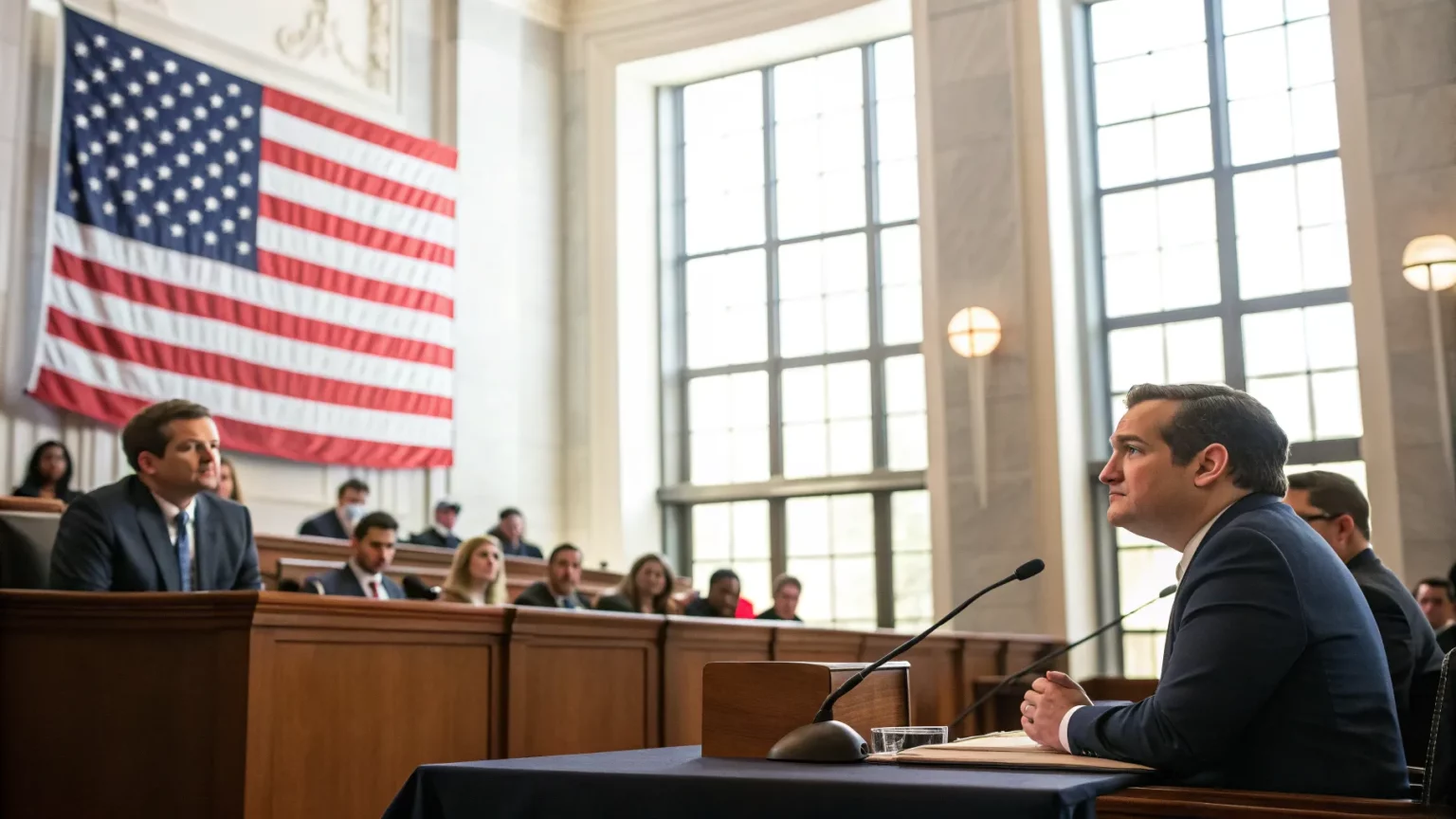
Sen. Ted Cruz of Texas criticized Federal Communications Commission official Brendan Carr over comments related to late-night host Jimmy Kimmel, escalating a fresh clash at the intersection of politics, media, and regulation. The exchange casts a spotlight on the FCC’s role in broadcast standards and the political scrutiny around prime-time comedy. It also raises questions about free speech and the limits of government commentary on televised content.
What Prompted the Dispute
Cruz’s rebuke centered on remarks Carr made about Kimmel, a prominent ABC host. The dispute reflects a broader tension that flares when elected officials and regulators wade into commentary on satirical or critical programming. Kimmel’s monologues often tackle political subjects, and politicians who are the subject of those jokes have at times pushed back publicly.
The clash echoes earlier episodes in which political figures responded to late-night segments, turning entertainment moments into political flashpoints. While the precise language of Carr’s comments was not disclosed, Cruz’s response signals concern with how a federal official frames public debate about broadcast content.
The FCC’s Role and Its Limits
The FCC oversees broadcast television and radio, including indecency rules during certain hours. It does not regulate content based on political viewpoint, and it does not license individual programs. ABC, which carries Jimmy Kimmel’s show, is a broadcast network, which places it within the FCC’s jurisdiction for technical licensing and certain standards, but not for editorial decisions.
Courts have long protected political speech and satire. The First Amendment sets a high bar for government involvement in the content of commentary and humor. This legal backdrop informs why remarks by any regulator can draw scrutiny from lawmakers wary of potential chilling effects on speech, even if no formal action is proposed.
A History of Media Controversies
Clashes between politics and late-night TV are not new. Past controversies have involved debates over taste, decency, and political fairness. The public often sees these disputes play out on social media and cable news before any agency action is contemplated. Most disputes end with public statements rather than formal enforcement.
Broadcast standards have evolved with audience expectations and changes in viewing habits. Streaming services and cable channels fall outside the FCC’s indecency rules, while broadcast networks face stricter limits during family viewing hours. This split can make enforcement uneven from a viewer’s perspective and complicate calls for tougher or looser oversight.
Reactions and Potential Impact
Cruz’s criticism suggests a concern that regulators should avoid commentary that could be seen as pressuring content decisions. Supporters of that view argue that even casual remarks from officials risk signaling a policy stance to broadcasters. Others contend that public officials, including regulators, are free to express opinions as citizens, especially on high-profile cultural debates.



The dispute may not lead to enforcement, but it can influence how networks and creative teams weigh risk in political satire. Late-night shows calibrate tone based on audience feedback, advertiser comfort, and editorial priorities. Any perception of regulatory pressure can enter that calculus, even if only indirectly.
What to Watch
- Whether the FCC clarifies that no enforcement action is contemplated in connection with the comments.
- Any public response from ABC or Kimmel addressing the criticism and framing it as part of routine debate.
- If lawmakers seek hearings or letters to the FCC to define appropriate limits on public commentary by commissioners.
- Broader industry reaction from writers, producers, and networks concerned with satire and political content.
Why This Matters Now
With election cycles heightening scrutiny of media coverage, late-night hosts often serve as nightly commentators on politics. That stage amplifies any critique of their content, especially from officials with regulatory portfolios. The Cruz-Carr episode highlights how a few sentences from a regulator can draw congressional pushback and fuel wider debate about speech and satire on broadcast television.
The episode is a reminder of the delicate boundary between governance and editorial independence. It also underscores the enduring role of late-night shows in shaping political conversation, even as audiences fragment across platforms.
For now, the dispute appears confined to public statements. The key takeaway is that policymakers and media figures are set to keep testing the line between strong opinion and the perception of pressure. Observers will watch for any formal FCC guidance, network responses, and whether this moment becomes part of a larger conversation about speech on broadcast TV during a charged political season.