




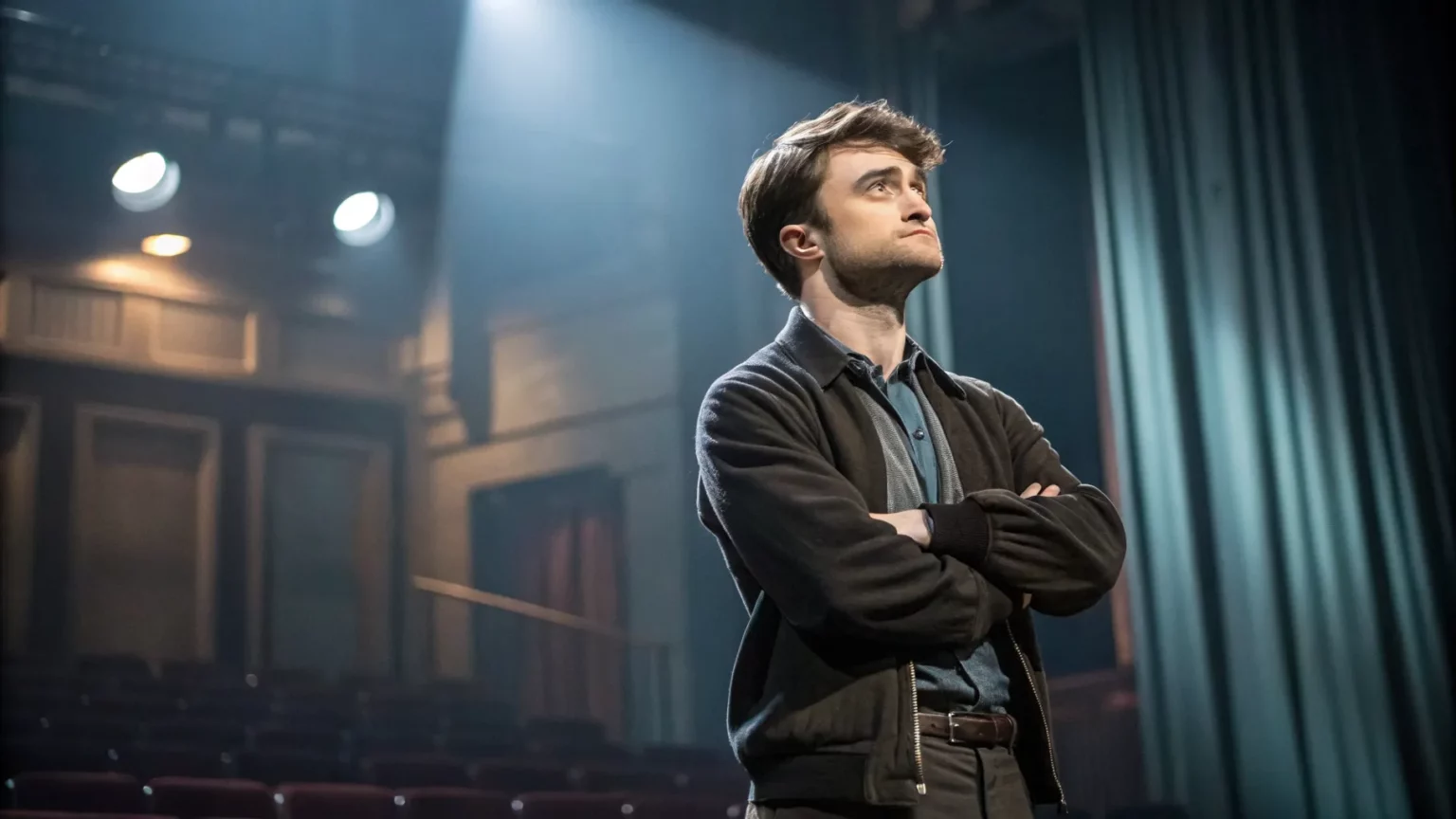
Daniel Radcliffe says his turn in the stage drama Equus changed how Hollywood viewed him after years as the face of Harry Potter. The actor reflected on the play’s impact, noting that the bold choice helped him gain industry respect as an adult performer. His comment comes as he continues to build a diverse career across theater, film, and television.
“Starring in the stage play ‘Equus’ brought him respect around Hollywood after ‘Harry Potter.’”
Radcliffe first performed Equus in London’s West End in 2007 before moving the production to Broadway in 2008. The play, written by Peter Shaffer, follows a troubled teenager, Alan Strang, and his psychiatrist. The role demanded intense emotional work and included several scenes that tested comfort zones for audiences and critics alike.
A Risky Break From a Global Franchise
When Radcliffe signed on, the move drew heavy attention. He was still closely linked to his childhood role. Equus offered a clean break. The character’s psychological depth and the physical demands of the part presented a sharp contrast to blockbuster fantasy.
The staging featured Radcliffe opposite Richard Griffiths, who had also appeared in the Potter films. The production was directed by Thea Sharrock. Night after night, Radcliffe carried a two-hour drama with minimal props and extended dialogue. Many observers saw it as a stress test for his range.
Tickets sold briskly during both the West End and Broadway runs. Reviews focused on his commitment to the role and his willingness to take risks. For young franchise stars, such choices can reset a career path. In Radcliffe’s case, it helped separate the person from the character that made him famous.
Industry Reaction and Career Trajectory
The industry response helped open doors to varied roles. After Equus, Radcliffe led the Broadway revival of How to Succeed in Business Without Really Trying in 2011. He later starred in The Cripple of Inishmaan in 2013 and 2014, earning strong notices for comedic timing and stamina.
On screen, he picked scripts that leaned away from franchise spectacle. He took parts in The Woman in Black, Swiss Army Man, and Imperium. Each added a different skill set to his résumé. The path suggested a long game built on range, not brand recognition.
The approach culminated in a celebrated run in the musical Merrily We Roll Along. In 2024, Radcliffe won a Tony Award for his performance. The arc from Equus to that win shows how early stage risks can shape later success.



Why Theater Still Matters for Film Stars
Stage work often serves as a proving ground. It strips away the safety net of multiple takes and effects. For casting directors, it offers clear signals about stamina, focus, and presence.
- Live performance tests consistency over long runs.
- Demanding roles display emotional range under pressure.
- Critical reviews can reset public expectations quickly.
Radcliffe’s choice mirrored a pattern seen with other franchise actors. Many take on demanding stage or indie projects to change perception. The fast feedback loop of theater helps accelerate that shift.
What Equus Changed
Equus reframed Radcliffe as an actor willing to take hard swings. It showed a commitment to craft over comfort. Casting conversations changed. He was no longer evaluated only as a former child star. He was also the performer who had anchored a serious play on two major stages.
That reputation carried into later auditions and offers. It also raised expectations. After Equus, audiences and producers looked for choices that showed courage and curiosity. The Tony win years later suggests those expectations were met.
Radcliffe’s reflection points to a simple idea. One bold role can reset a career. Equus did that for him. It turned a global face into a respected adult actor, and it helped chart a course that now spans drama, comedy, and musical theater. The question ahead is how he uses that capital. With the stage as a reliable home base, more high-wire choices seem likely. Viewers should watch for projects that again test limits and expand his range.